9月 23, 2026
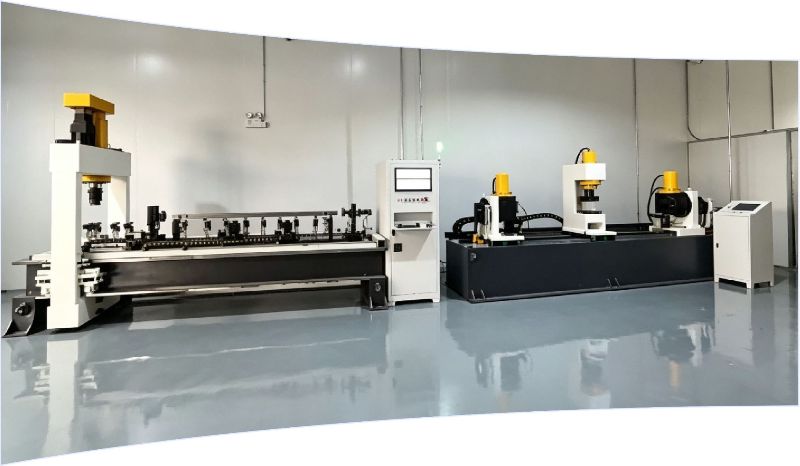
Automatic straightening machine for liquid cooling tubes
Liquid cooling tubes need straightening that won't dent thin walls. Here’s how automatic straightening machines measure, correct, and verify.

Expert insights on hydraulic straightening technology, industry trends, and best practices.
Liquid cooling tubes need straightening that won't dent thin walls. Here’s how automatic straightening machines measure, correct, and verify.
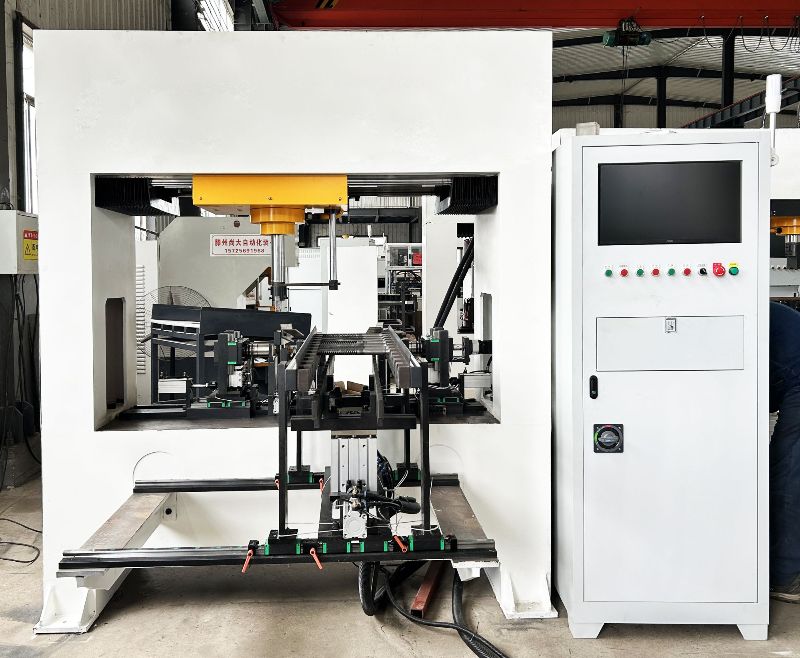
Shaft heat treatment distortion can't be fully eliminated. Learn why it happens and when hydraulic straightening is the practical final fix.
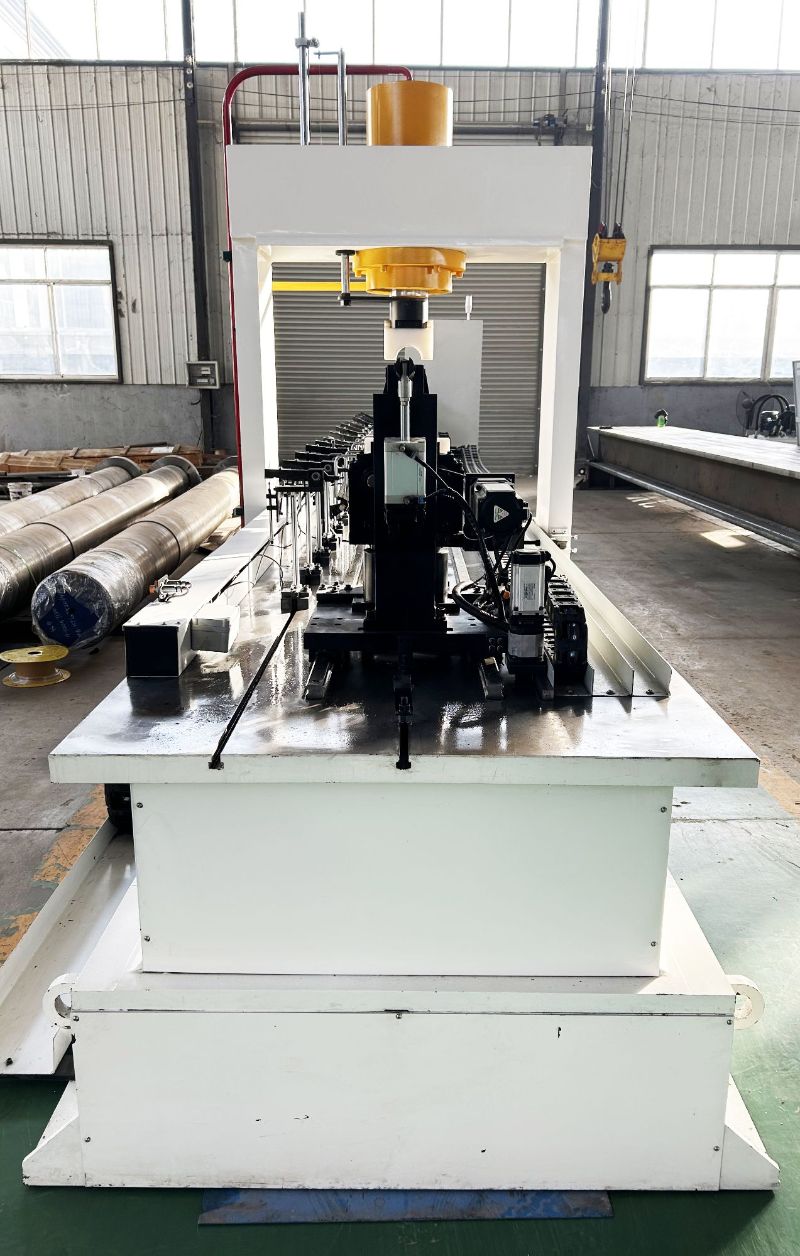
Cast iron distortion after machining creates bowed, twisted parts. Point-pressure straightening corrects without cracks. Contact Shangda.
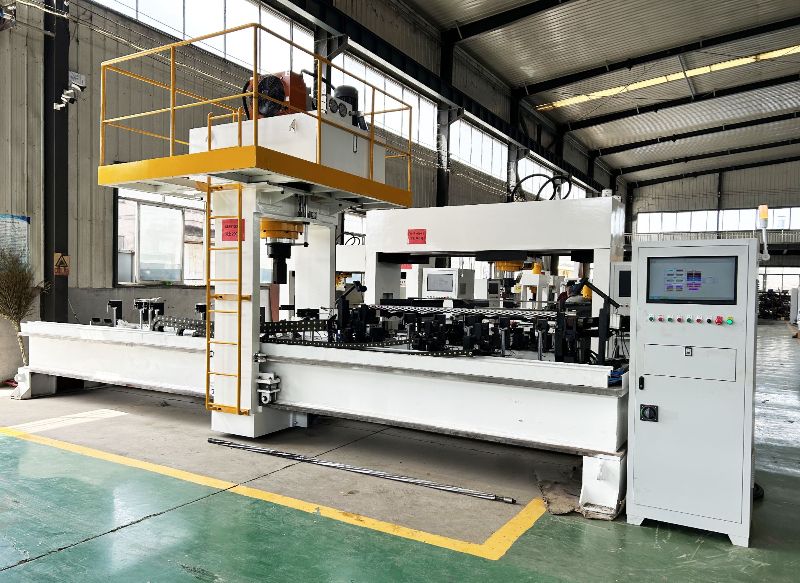
Heat-treated steel can be straightened with point pressure, multi-point measurement, and crack monitoring. Learn what the process really requires.
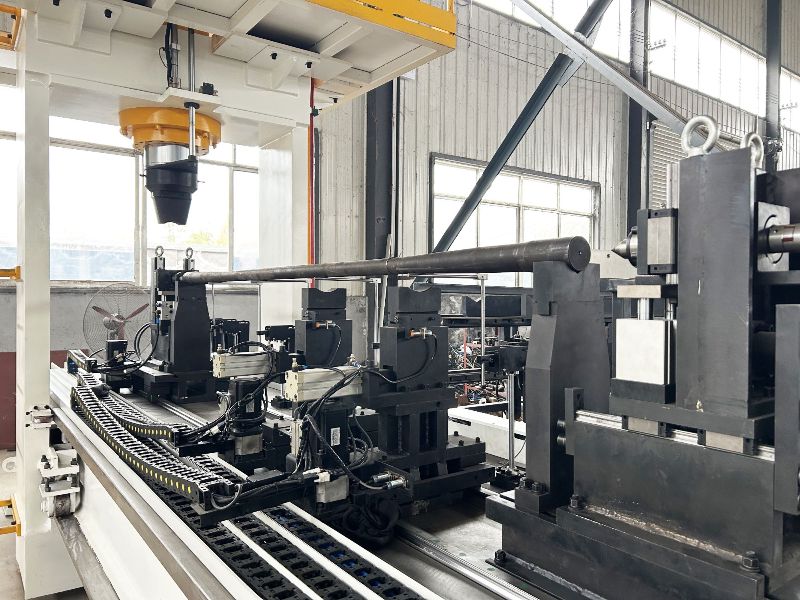
Not every bent crankshaft needs replacement. We break down what causes bends, when straightening works, and where automated presses make the repair practical.
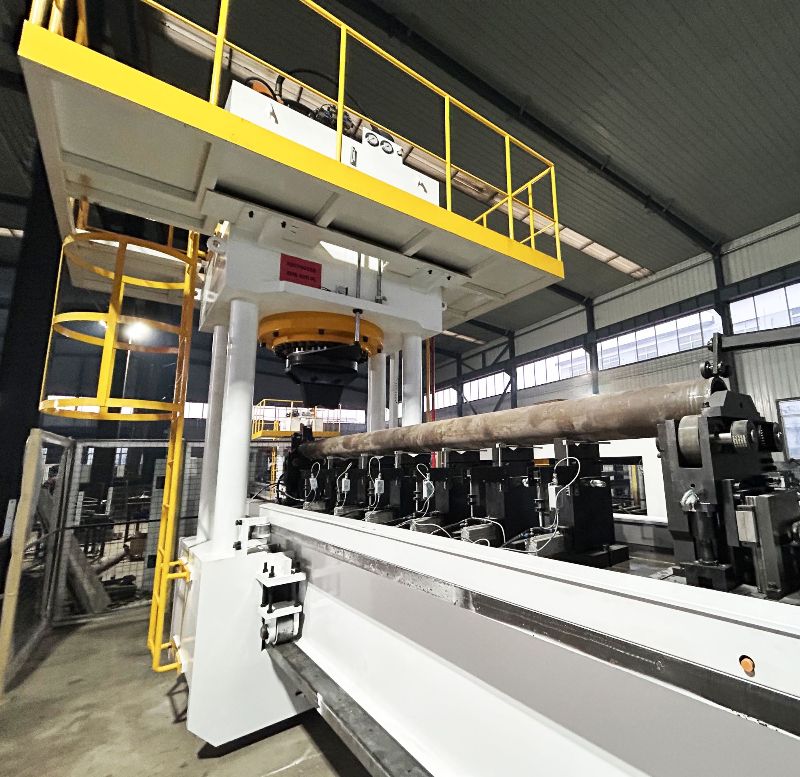
Bus bar deformation from internal stress can bow, twist, or warp profiles. Automatic point-pressure straightening corrects to 0.01 mm without marks.
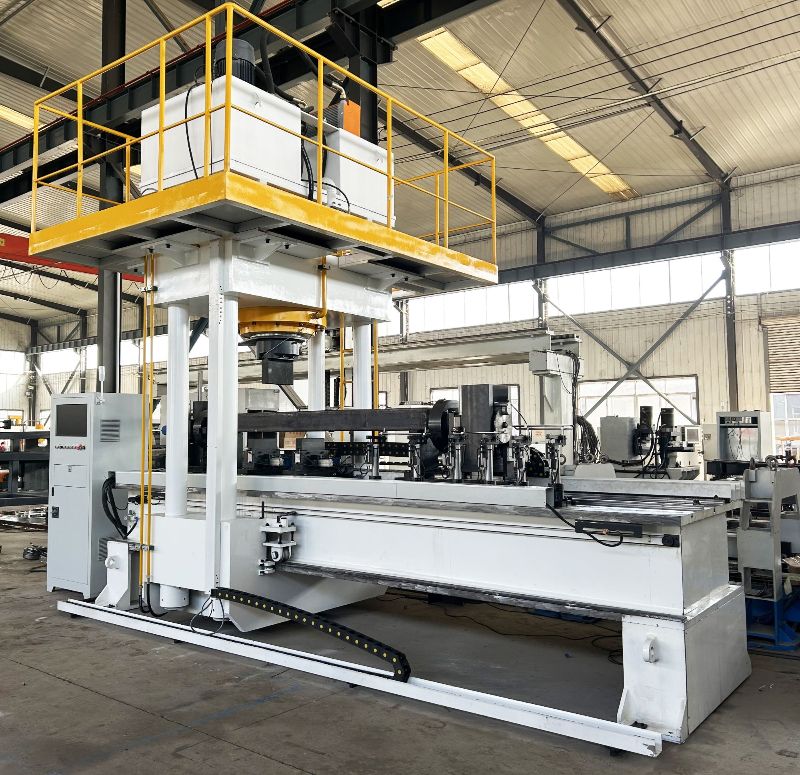
Bar distortion usually starts with mill stress and heat treatment. Automated point-pressure straightening corrects it to 0.01mm without marks.
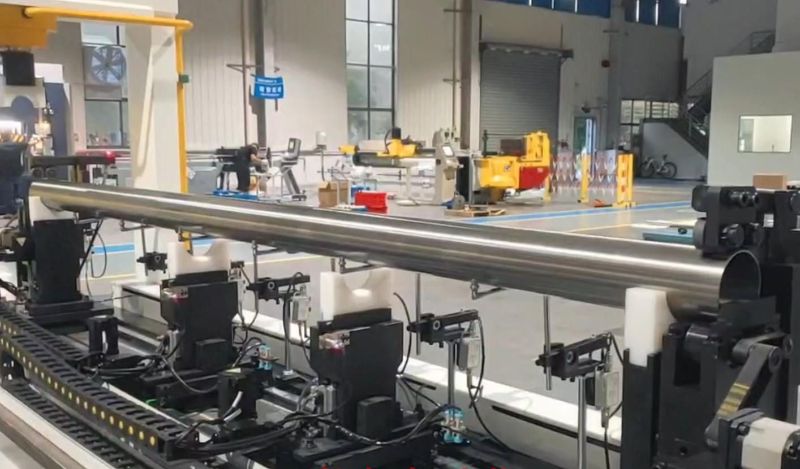
Aluminum tubing often bows due to residual stress or handling. Learn repeatable straightness checks, safe correction methods, when to scrap, and when automation pays off.
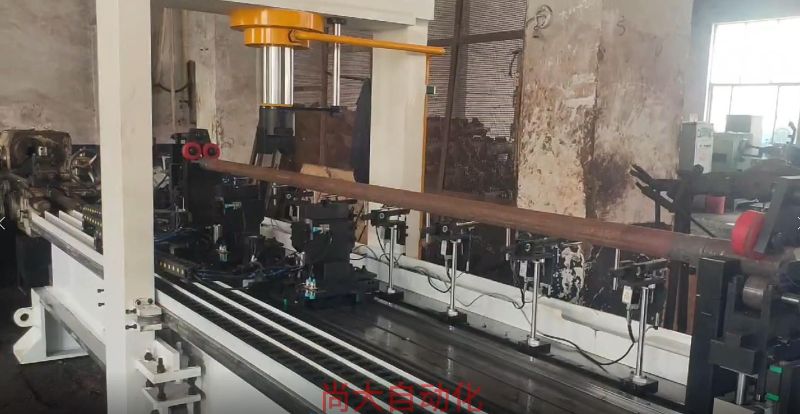
Alloy bars bend from residual stress or handling. Learn to verify runout, use hydraulic straightening for controlled deviations, and avoid risky fixes.
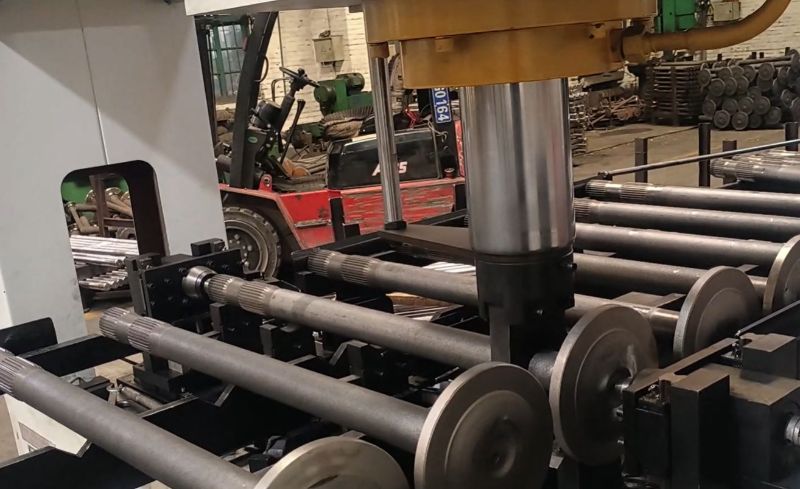
One inspector says a shaft is fine at 0.20 mm. Another rejects the same part at 0.25 mm.
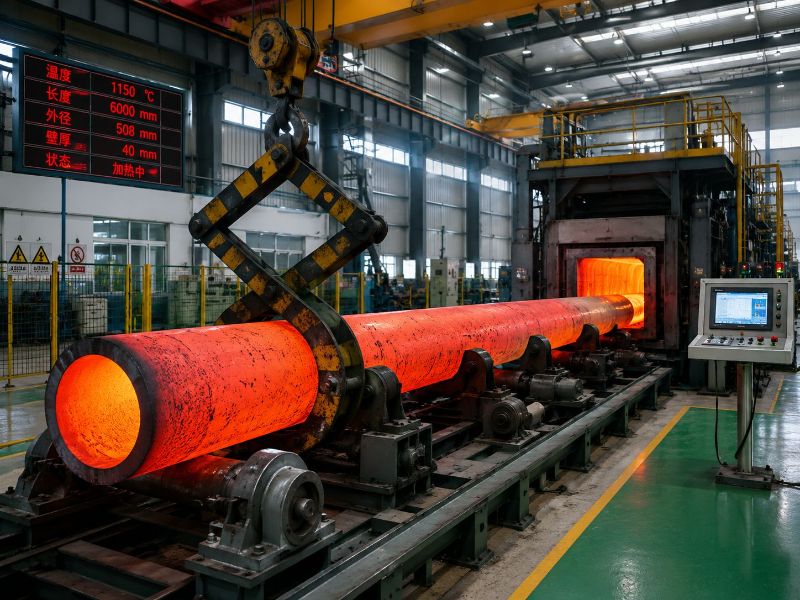
When a machined 4140 shaft or bar comes out of heat treat with a visible bow, it's easy to blame the quench.
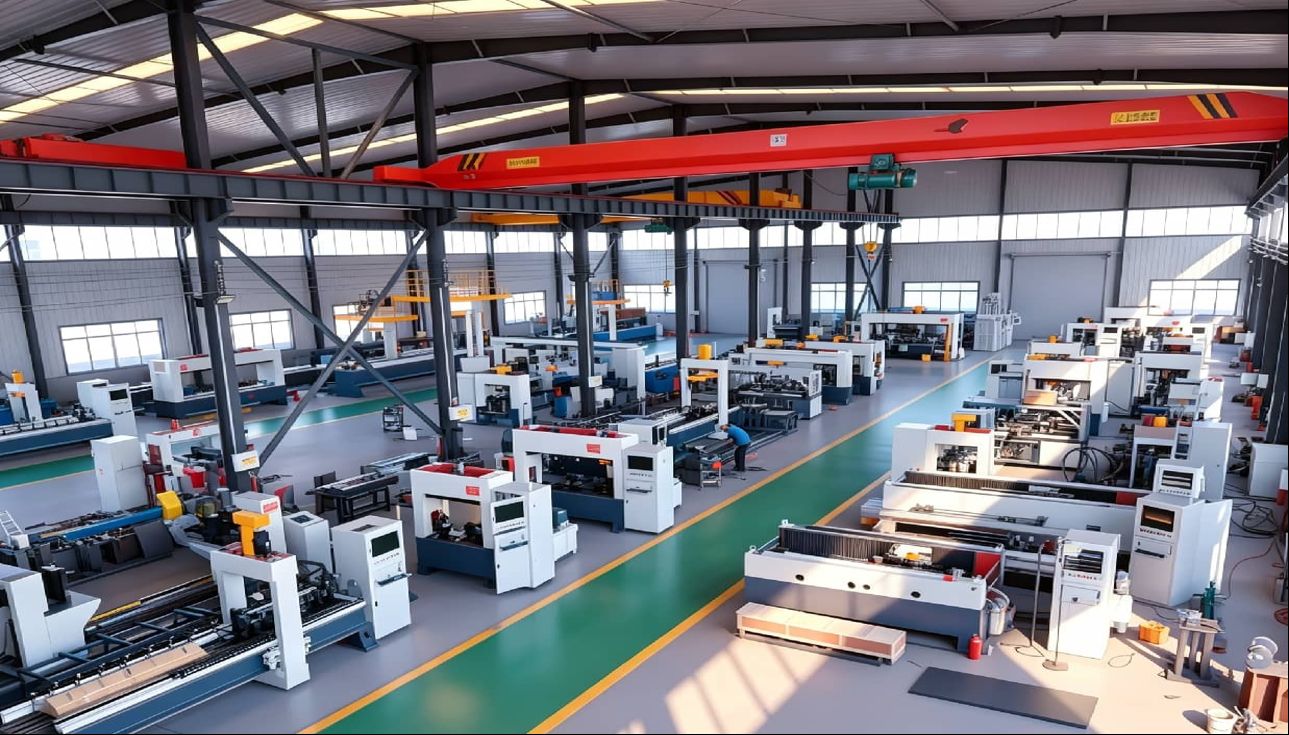
The machine measures the shaft’s runout at multiple points, calculates the exact press stroke and position needed, and applies force in a closed loop—often reaching straightness within 0.01 mm.
Runout that was within 0.02 mm before heat treat suddenly jumps to 0.3 mm, 0.5 mm, or worse. It’s one of those headaches every production shop knows.