
Why bus bars rarely show up flat
Copper and aluminum bus bars look simple: they are just rectangular conductors. But by the time they have been cut, punched, plated, or heat-treated, many of them are no longer flat. You might see a slight bow across the length, a twist at one end, or a wavy edge that creates a gap at the mounting surface. That deformation is more than a cosmetic problem. Bus bars need to stack cleanly, make full contact at bolted joints, and fit into tight power distribution housings. If they do not, you get poor electrical contact, hot spots, and assembly delays.
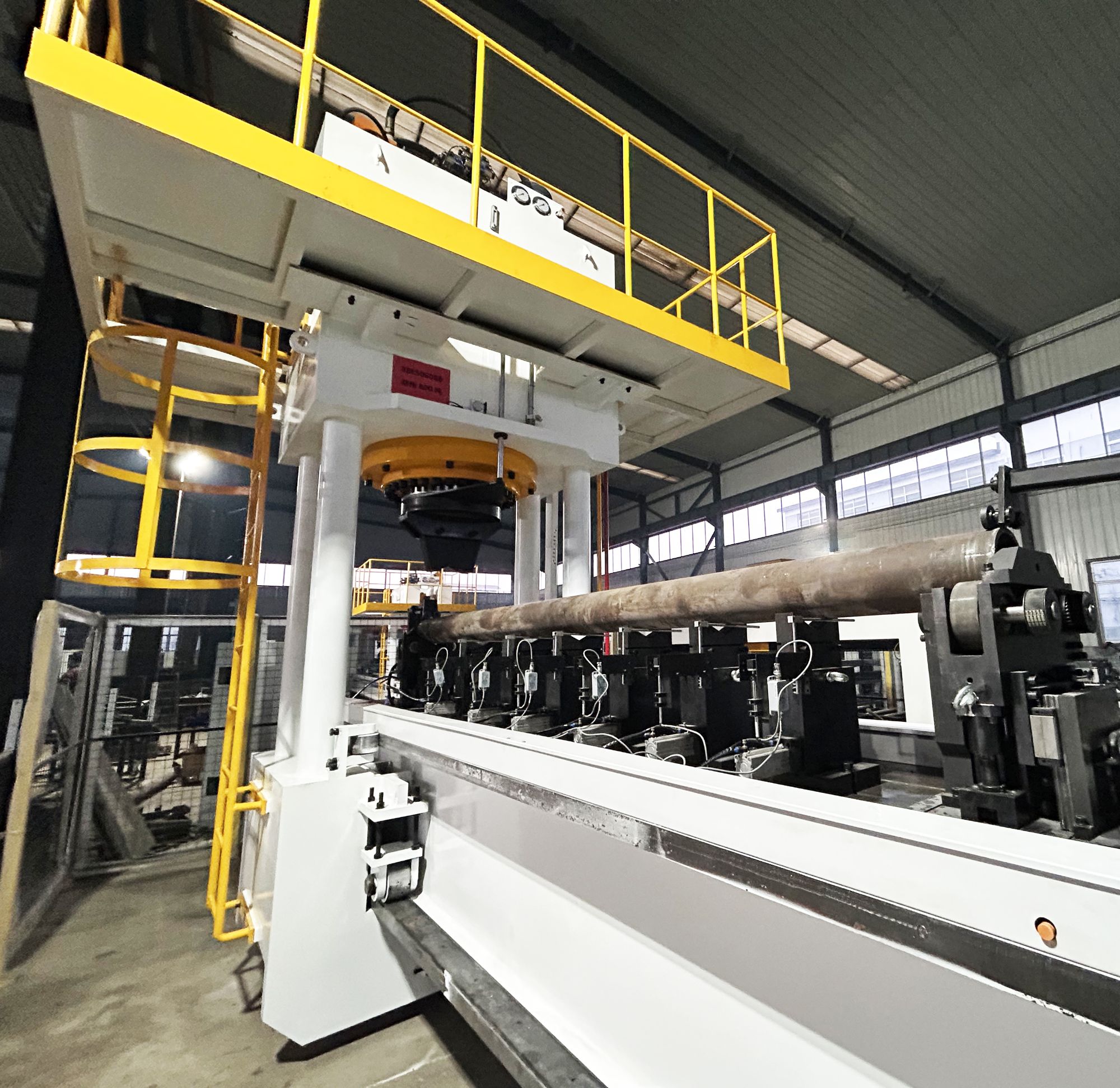
We see this across power distribution, new energy vehicles, and server cooling applications. The exact shape of the defect changes, but the root cause usually stays the same.
What actually causes the deformation
Most bus bar deformation starts with internal stress. Extrusion or rolling leaves residual stress inside the material. When you cut, punch, or machine the bar, that stress releases unevenly. The part moves. It can bow along the long axis, twist, or develop an edge wave. Thinner bars and long bars are especially sensitive because they have less material to resist the movement.
Patterns we usually check
- Longitudinal bow: the bar curves like a banana and does not sit flat.
- Twist: one end rotates a few degrees out of plane, so bolt holes no longer line up.
- Edge wave or local kink: a short section deforms near a punched feature or cut end.
The challenge is that manual straightening often leaves marks, work-hardens the surface, or simply cannot hold a tight enough tolerance. That is where automatic point-pressure straightening becomes useful.
Straightening bus bars without marking the surface
Our approach is point-pressure straightening. Instead of hammering or thermal correction, the machine measures high points along the bar, calculates the small reverse load needed, and presses at specific positions. Because the pressure is controlled and localized, the surface stays clean. There are no scratches, no indentations, and no damage that could affect conductivity or require re-plating.
For bus bar work, that level of control matters. A copper bar used in a high-current path cannot afford a rough surface at the contact zone. The process also needs to be repeatable, because bus bar orders often involve hundreds or thousands of parts with the same cross-section.
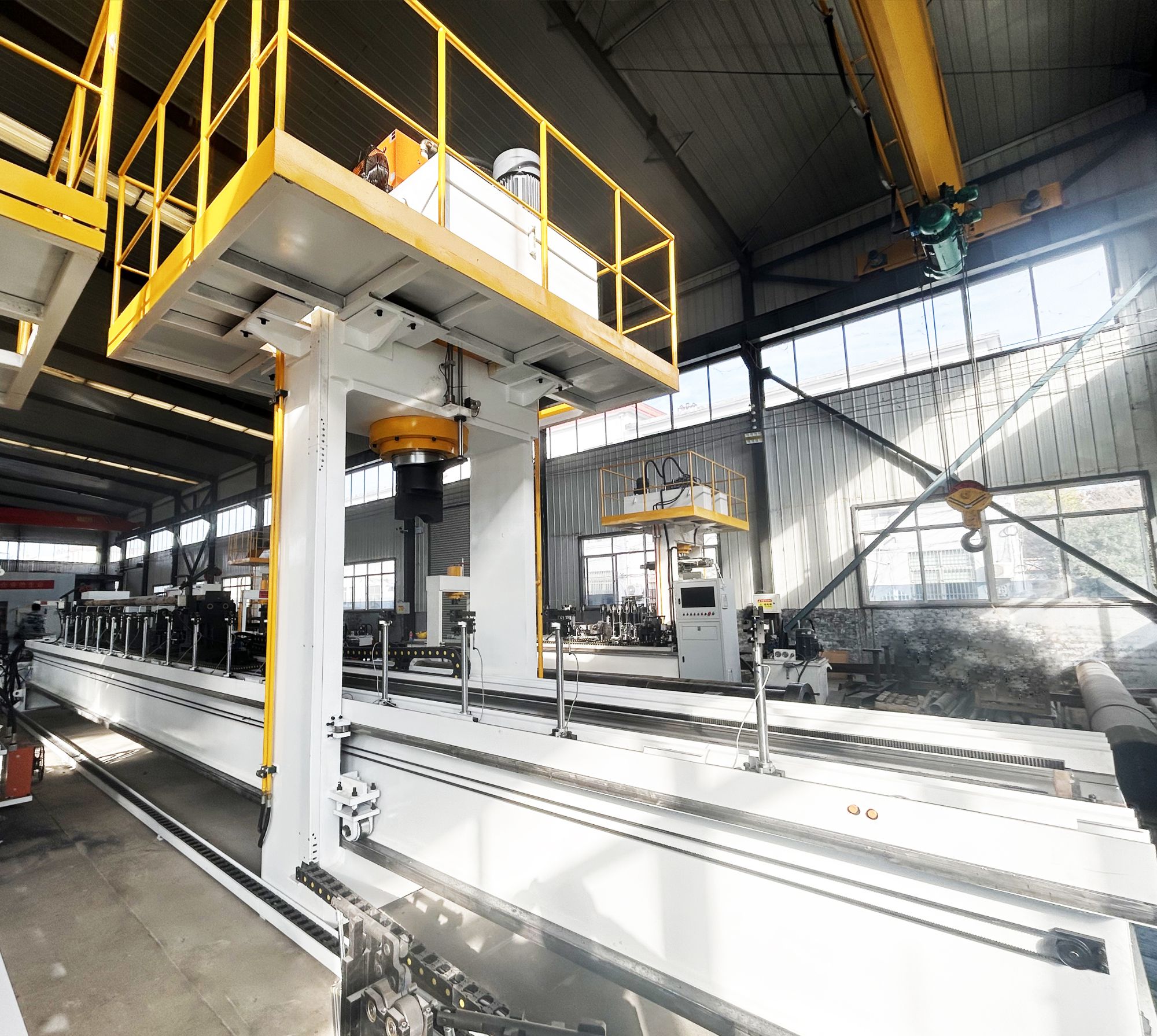
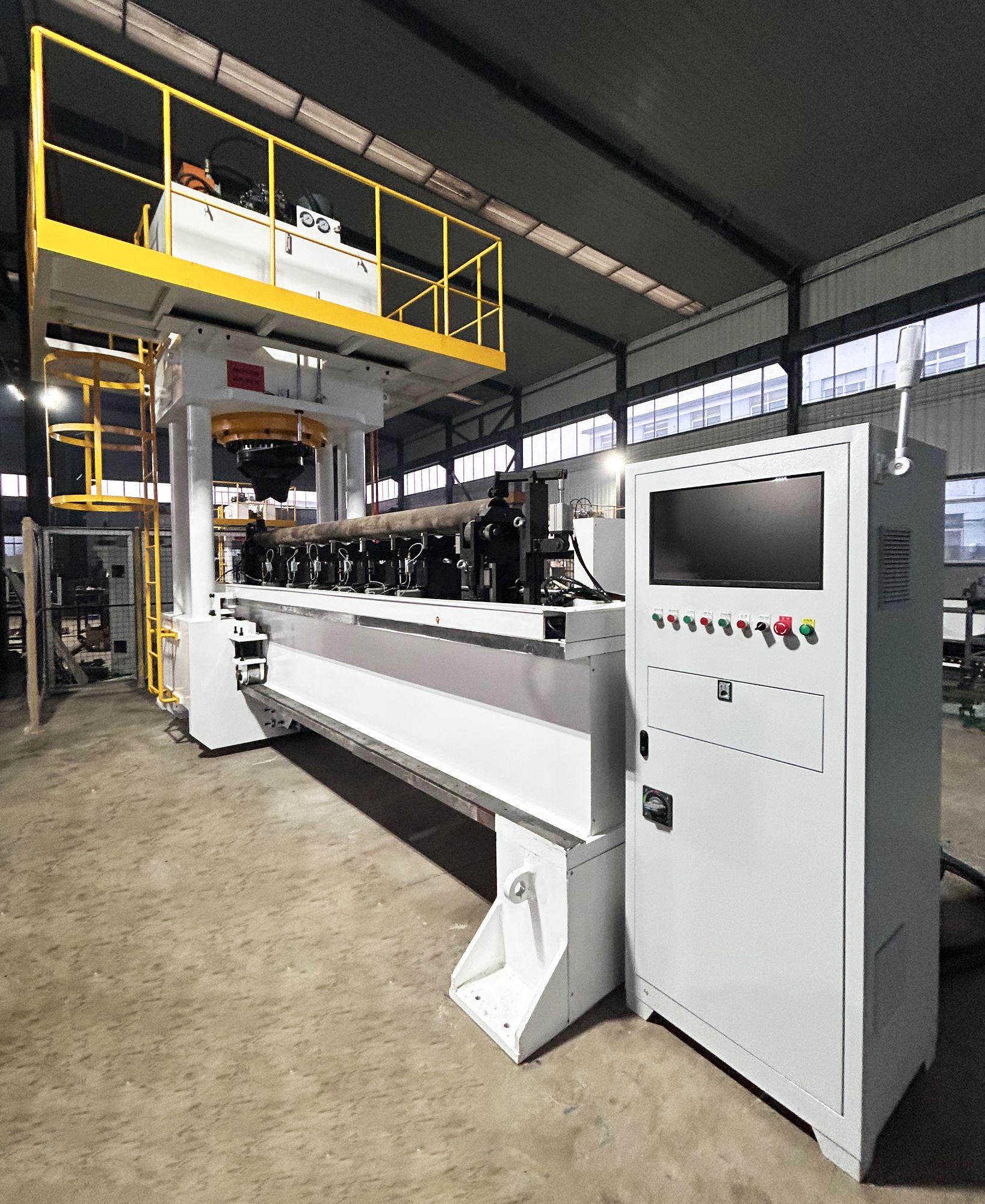
Machine capacity is not one-size-fits-all. A thinner bus bar may only need a compact machine, while a thick stacked bar or a long profile may need a high-tonnage unit. We usually select the machine after testing a sample part, because the required force depends on material, section size, and the type of deformation.
When manual correction stops making sense
Manual straightening works for very small batches, but it has limits. The operator has to measure, press, measure again, and hope the part springs back close enough. With a long copper bar, a few hundredths of a millimeter can mean the difference between a flat busbar and one that rocks on its mounting rail.
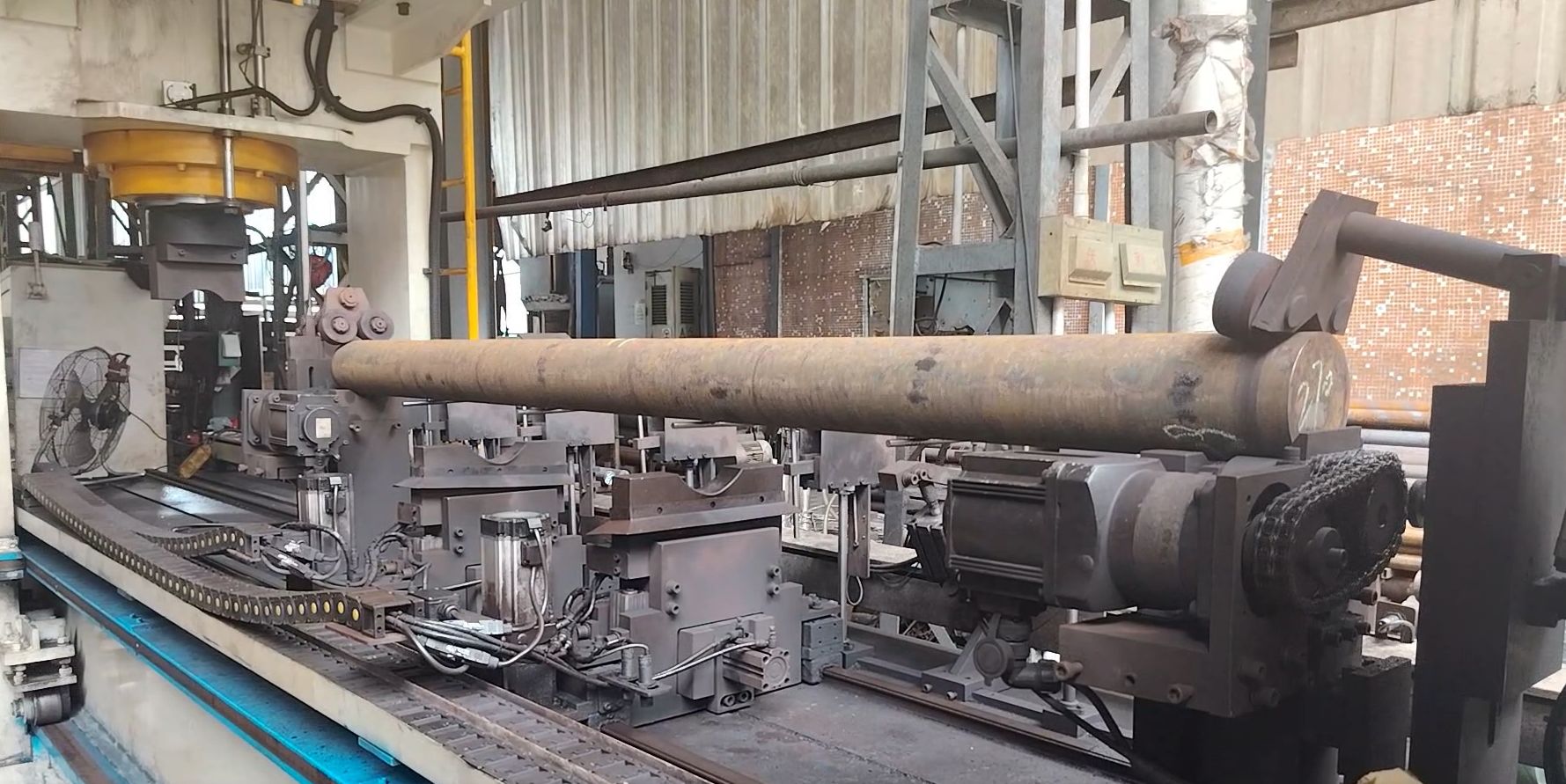
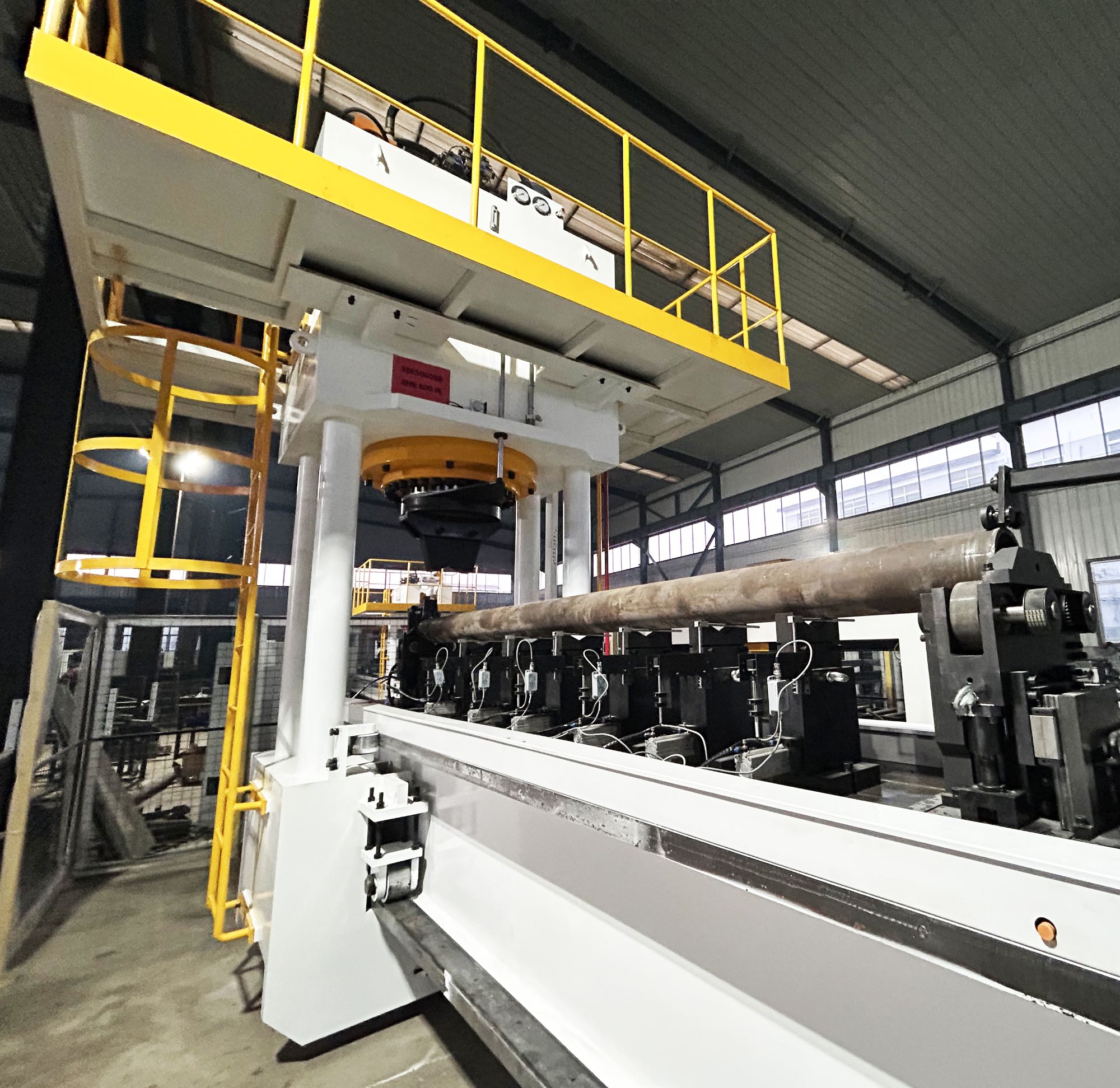
Automatic machines change the workflow. They inspect at multiple points, use a self-learning algorithm to correct for springback, and feed data into MES if you need traceability. That is especially helpful for EV bus bars and liquid-cooled server components, where dimensional stability affects assembly and thermal performance. The machine can run 24/7, and your team can spend time on value-added work instead of repeated manual measurement.
Getting from deformed to production-ready
Bus bar deformation will not disappear just by buying better raw material. The stress is inside the material, and processing will keep releasing it. The practical fix is to add a controlled straightening step after the operations that create the movement. Done correctly, it protects the surface, holds a tight tolerance, and keeps the process stable across the whole batch.
If you are dealing with bowed, twisted, or wavy bus bars, the fastest next step is to test a few sample parts. That gives us real force data and lets us recommend a machine that matches your section size and output. Contact our team to arrange a sample trial or talk through your bus bar straightening application.