
Cast Iron Looks Stable—Until It Isn’t
You machine a cast iron shaft, check it on the bench, and it measures fine. Send it through heat treatment or rough turning, and suddenly you’re chasing a bow of a few tenths, a twist, or an out-of-round condition that wasn’t there before. Cast iron has a reputation for stability, but in real production work, distortion is common. We see it on hexagonal shafts, gear blanks, pump housings, and long bars. The issue isn’t always the casting itself. Often it’s how residual stress, section changes, and machining work together to move the part.
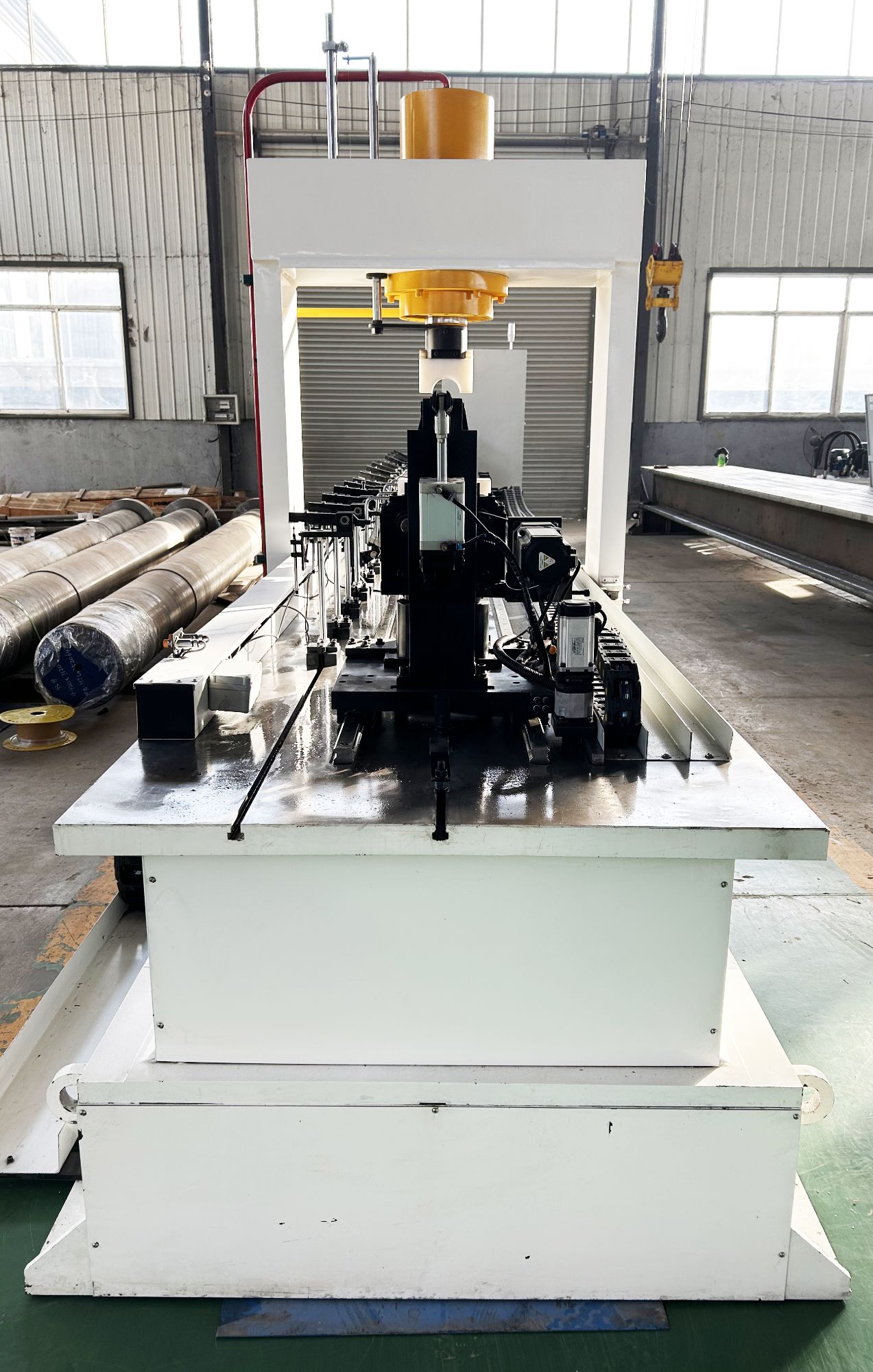
The good news: cast iron can usually be corrected without cracking or marking the surface—if you use the right kind of straightening. Pressing it in one hard stroke is asking for trouble. The practical fix is a controlled, point-by-point approach.
Where Cast Iron Distortion Comes From
When a casting cools, thick sections hold heat longer than thin webs or flanges. That creates residual stress. Machining then removes the stressed outer skin unevenly. The part rebalances itself—usually into a bow or twist. Heat treatment can do the same. We’ve had parts come out of stress relieving with less than half a millimeter of movement that still caused big problems downstream.
Another factor is cast iron’s graphite structure. It’s strong in compression but unforgiving in tension. So when a bent shaft is forced back in one motion, the outer surface may crack before the bend fully yields. That’s why a straightening process for cast iron needs many small corrections, not one big shove.
Correcting Cast Iron Without Cracking It
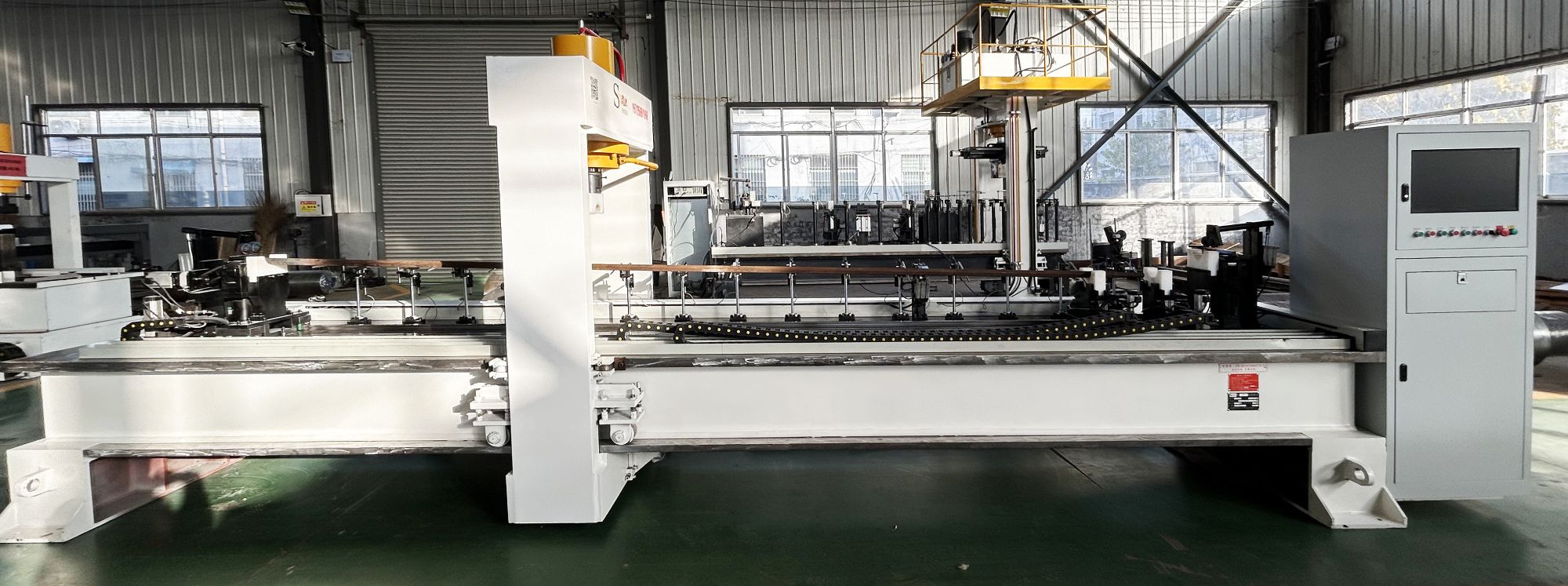
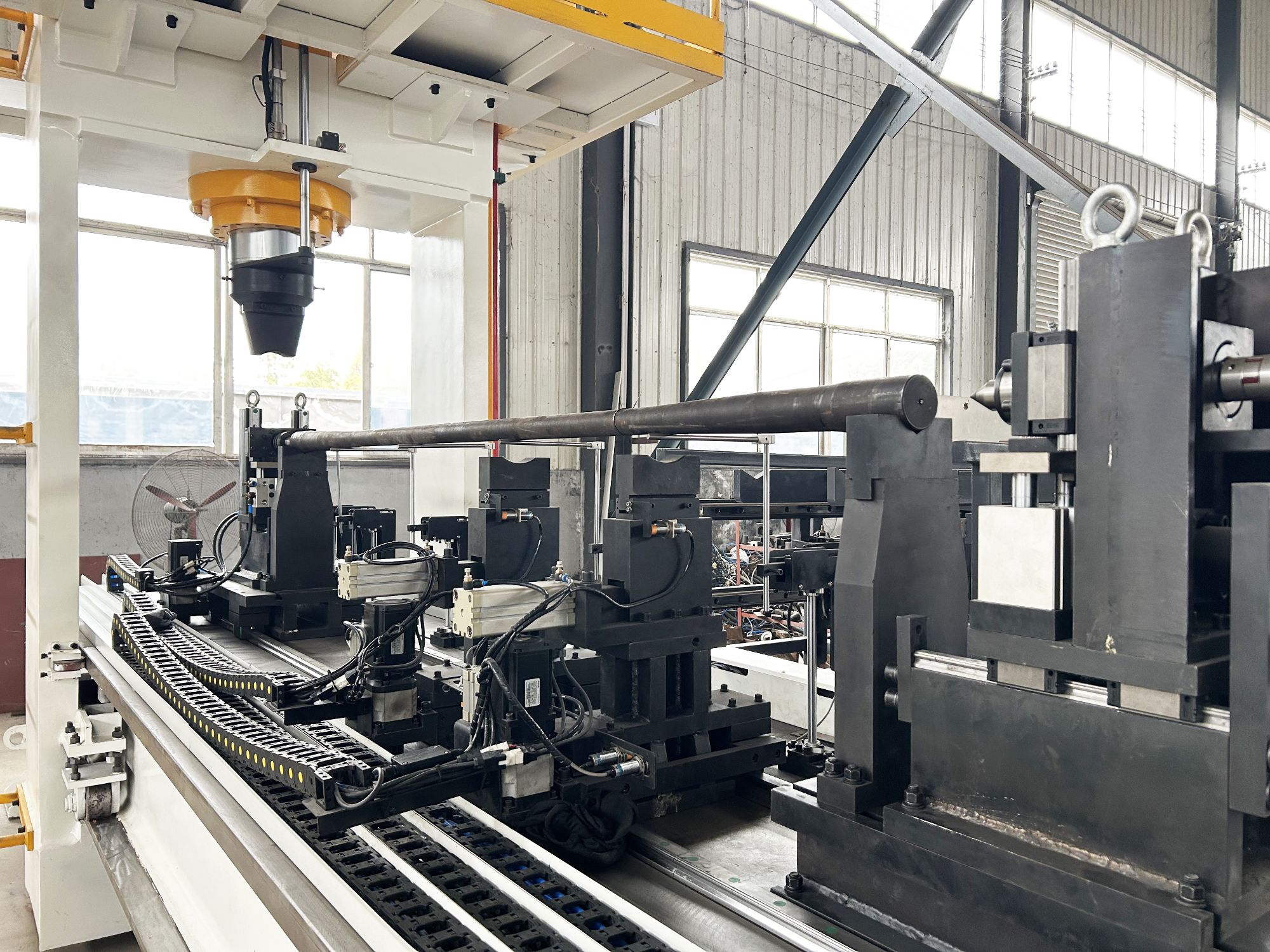
In our shop we rely on point-pressure straightening. The part is supported at specific positions, a probe or sensor measures the runout at several points, and a controlled press applies pressure at exactly the high spot. The machine checks again, adjusts, and repeats. Because the correction is local and gradual, you avoid the deep scratches, indentations, and microcracks that come from hammering or full-length press bending.
With cast iron hex shafts, for example, we’ll measure across multiple flats and correct the axis a few hundredths at a time. AI-based learning helps the machine remember how a particular batch responds, so cycle time drops after the first few parts. Straightening accuracy down to 0.01 mm is realistic once the process is dialed in.
It’s not magic. If a casting has a serious internal void or a pre-existing crack, straightening can make it worse. A quick crack check—especially on critical parts—should come before correction.
Making the Process Repeatable
Manual straightening works for a few pieces but gets expensive in volume. One operator with a press may spend 10 minutes per part and still not hit the same result twice. An automatic straightening machine changes that. A single operator can manage several cells. The machine loads the part, measures, corrects, and unloads without hand intervention. If you connect it to MES, every correction curve and final runout value is logged.
We’ve integrated processes where the same cell handles cast iron shafts, then switches to steel tubes with a program change. That flexibility matters when you’re doing small batches.
What to Take Away
If cast iron distortion is causing scrap or rework, start by measuring the part as it comes out of each operation. Learn where the movement happens. Support the part properly, use point-pressure correction instead of heavy bending, and automate if you need consistent results. For difficult geometries or high volumes, it’s worth getting a straightening trial on your actual parts.
Feel free to reach out through our contact page if you want to talk about your distortion problem.