
So, can heat-treated steel actually be straightened?
The short answer is yes. But the long answer has a lot to do with how hard the material is, how much residual stress is locked inside, and how the straightening force is applied. If you put a hardened shaft in an ordinary press and push until it looks straight, you can easily introduce microcracks, scratch the surface, or get springback that shows up later in service. We see this often enough with quenched round bar, tempered shafts, and stainless tubes.
Heat treatment changes the rules
When steel goes through quenching and tempering, it gets harder and stronger, but it also becomes less forgiving. Ductility drops. Residual stress from uneven cooling can make the part move after machining. That means straightening heat-treated steel isn't really about "bending it back." It's about applying small, contained pressure at the right points while measuring what the part does after each cycle. If you go too far in one hit, the material may crack before you even see the damage on the surface.
How modern straightening handles hard parts
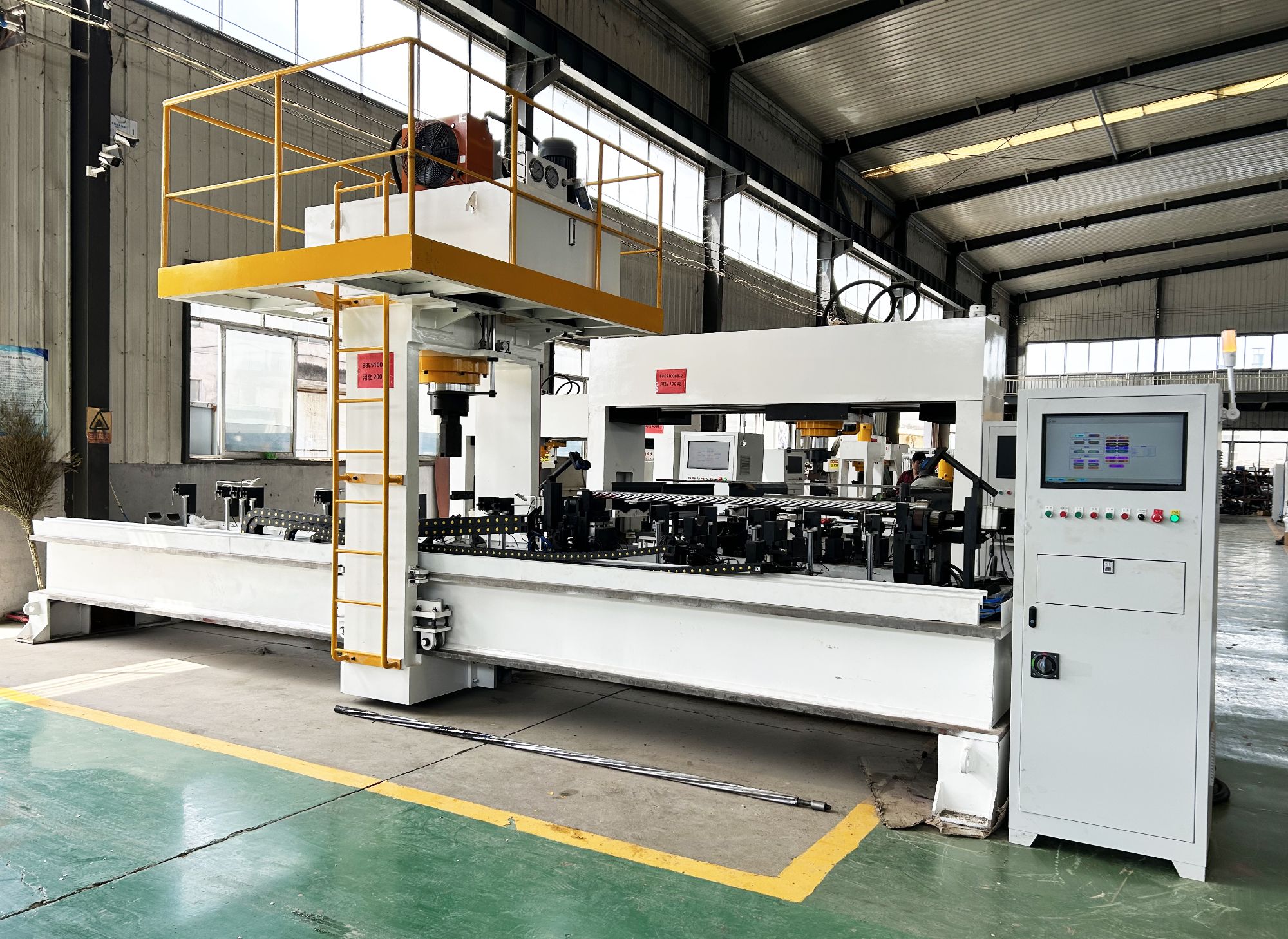
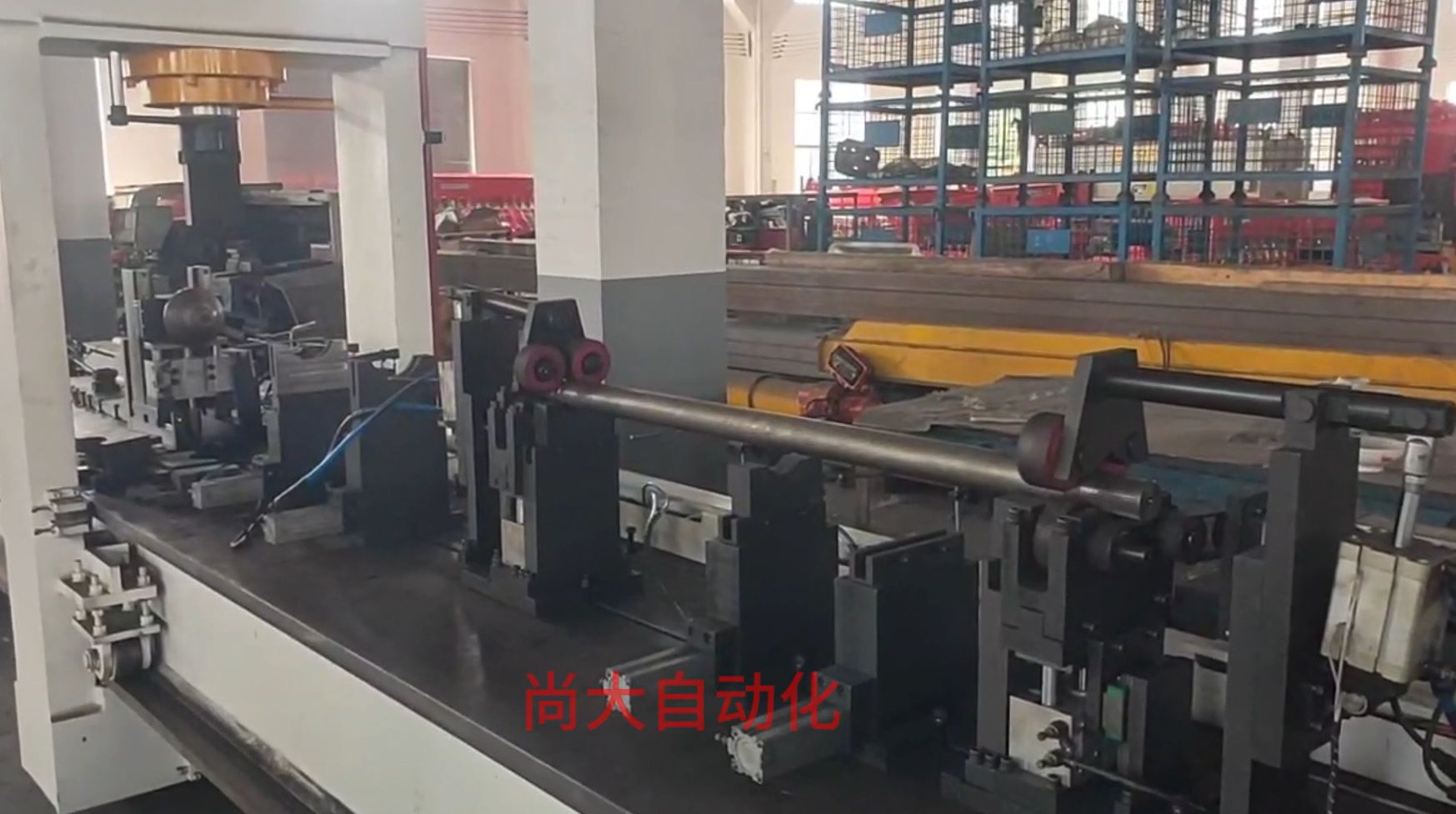
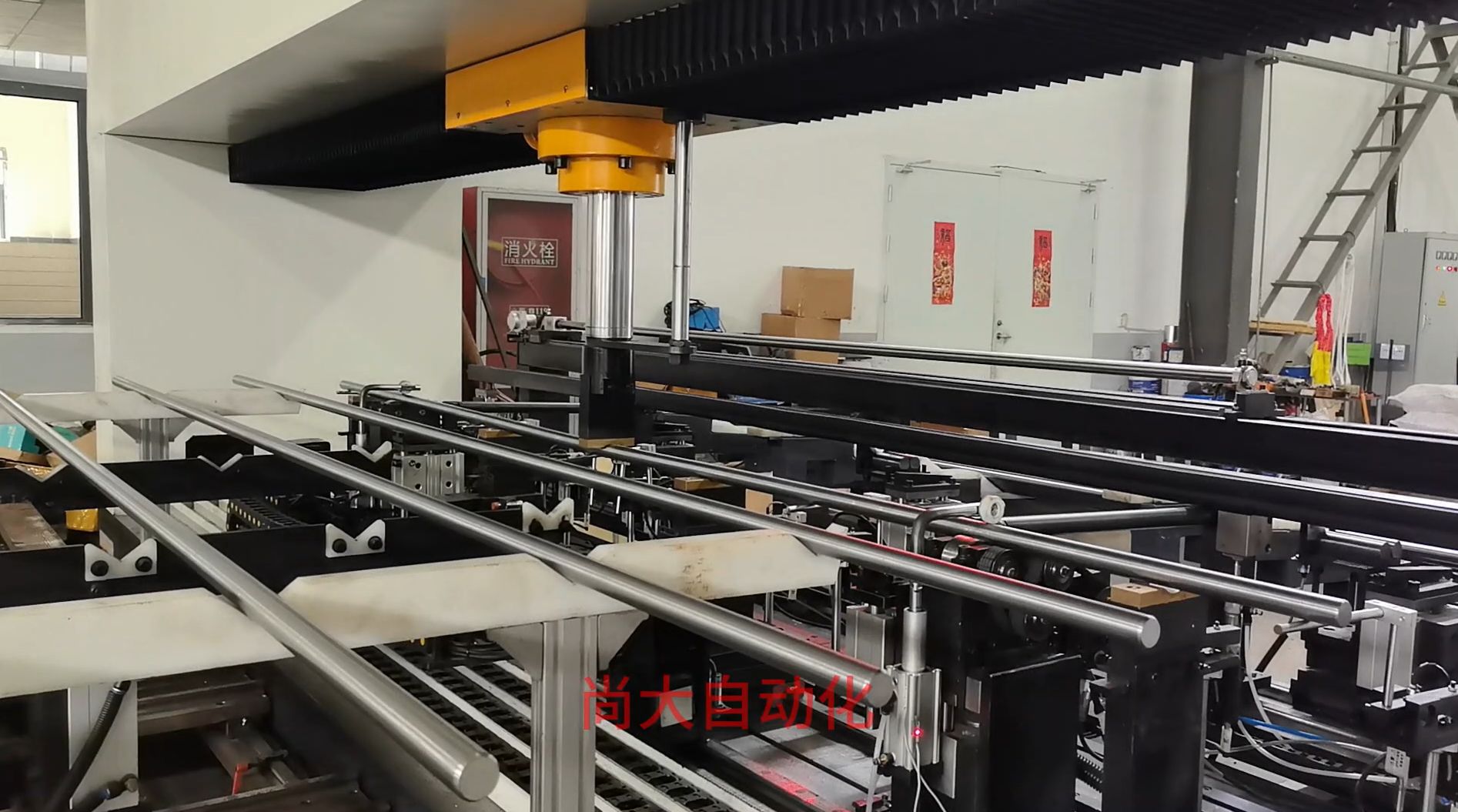
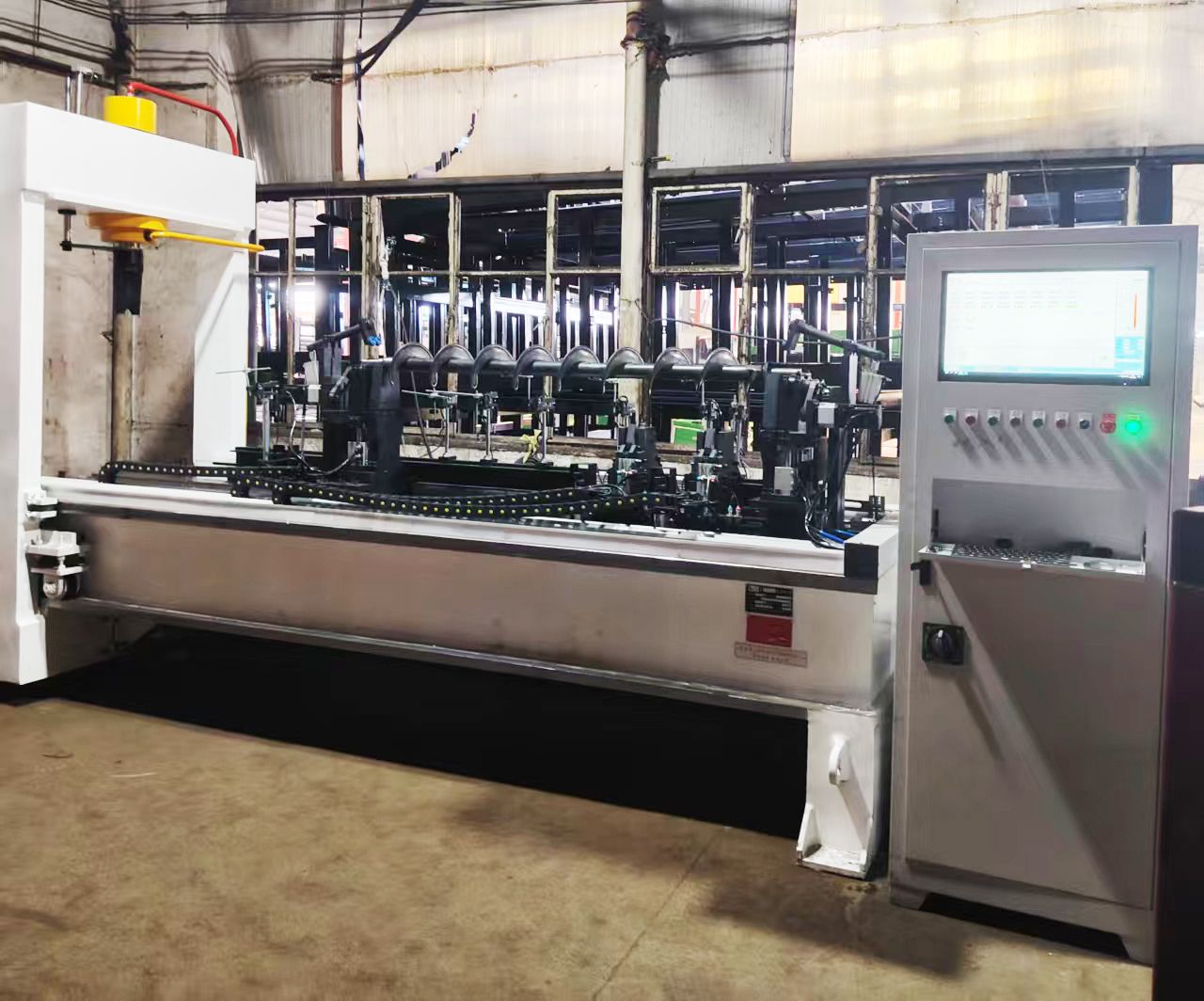
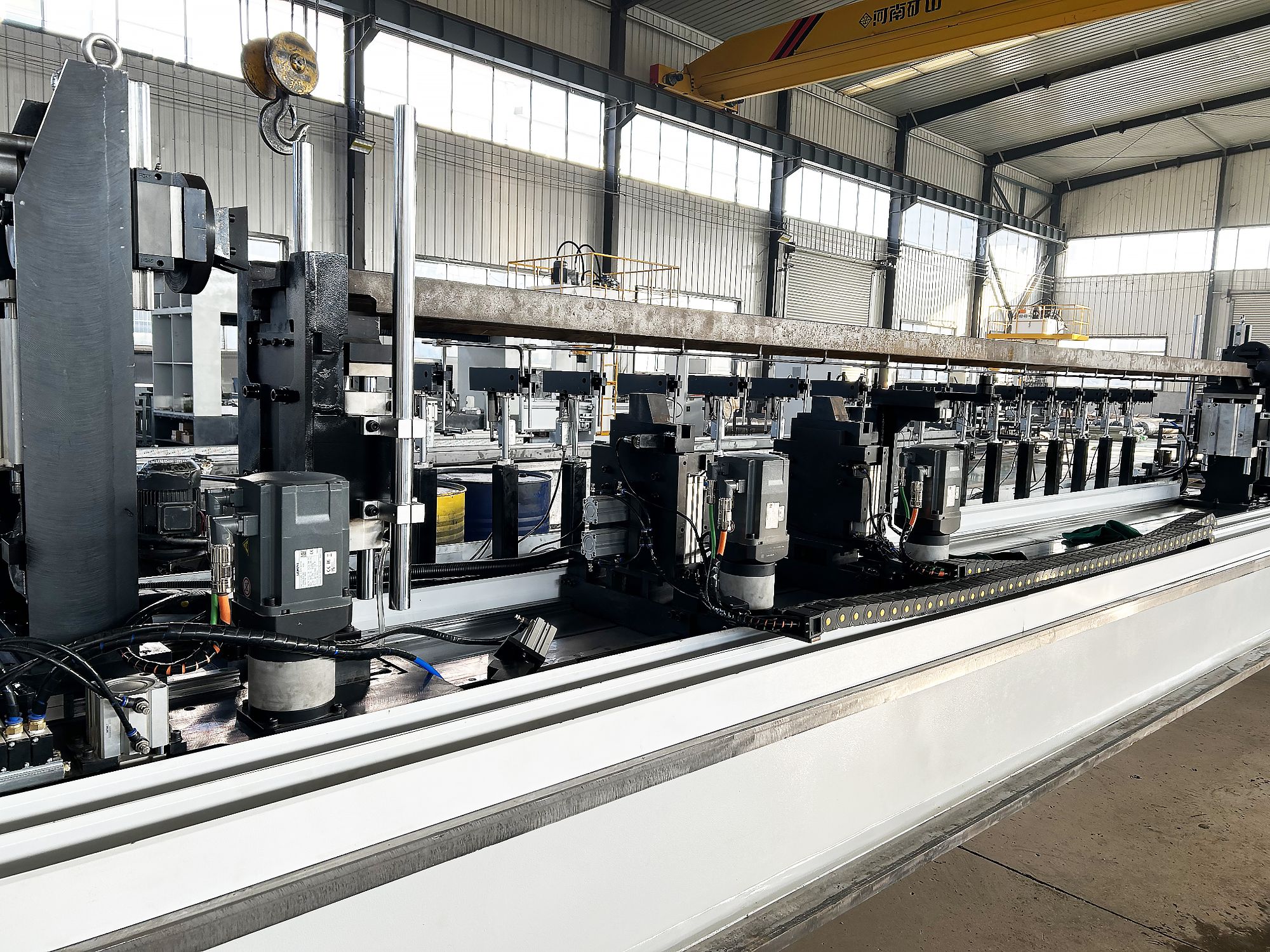
The method that works best is point-pressure straightening. You support the workpiece at two points, apply a controlled force at the high point, release, and re-measure. Instead of one big correction, the machine makes multiple small corrections until runout comes into tolerance. On our equipment, straightening accuracy can reach 0.01 mm. The machine measures multiple points along the part, calculates the offset, and adjusts automatically.
Some people ask whether this damages the material. With the right contact geometry and polished supports, point-pressure straightening leaves no scratches and no indentations. That matters a lot on shafts that will run in bearings or on stainless pipes where surface finish is critical.
Pressure, geometry, and why tonnage isn't a flex
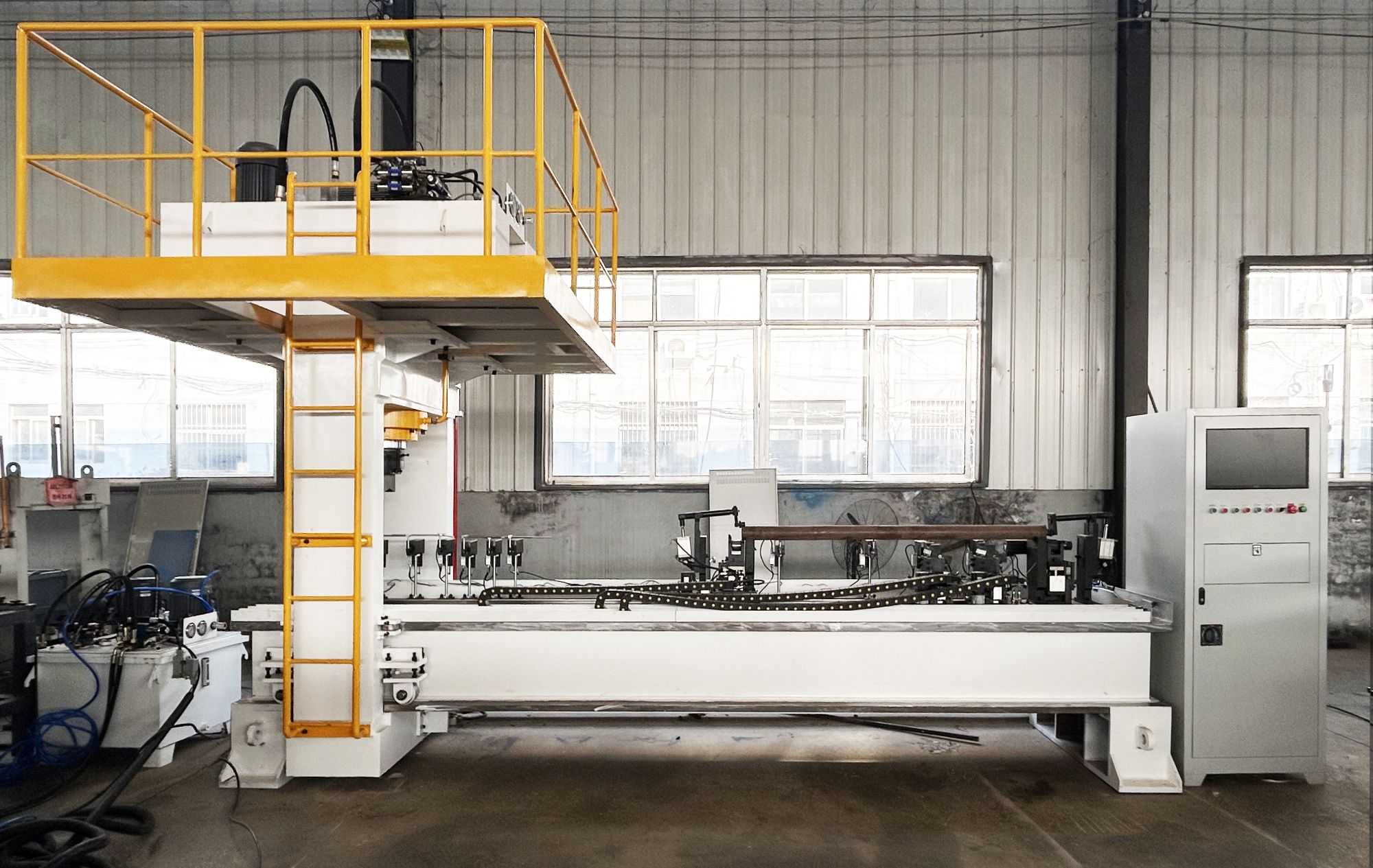
You'll hear figures like 60 tons, 100 tons, or 150 tons thrown around. None of those numbers means the machine is "stronger" in a useful way by itself. The right pressure depends on the material's yield strength, cross-section, and the amount of residual stress. A 60 mm hardened shaft may need around 60 tons to move the high point. A larger heat-treated round bar might need 150 tons. An I-beam has very different stiffness in different axes, so it may need 100 tons or more just to correct a small twist or sweep.
The key is that the force is applied in a controlled point. Not across the whole length. Not by flattening the high spot. That's the difference between straightening and just forcing metal into shape.
Crack detection and process confidence
One of the real risks with heat-treated steel is that a pre-existing quench crack or a stress riser can grow during straightening. If you're not monitoring for that, you might ship a part that fails later. We integrated crack detection from Germany's QASS and our own AI calibration to catch microcracks in real time. The system watches the acoustic signature during the press cycle and can stop or flag the part if it detects a developing crack. That's not a gadget; it changes whether you can trust a batch of hardened parts.
So yes, but do it properly
Heat-treated steel can be straightened to tight tolerances. You need point-pressure tooling, multi-point runout measurement, controlled small corrections, and crack monitoring when the material is hard or safety-critical. If you're fighting springback, surface marks, or cracked parts, the issue is usually the process, not the steel.
If you want to talk through a specific job — shafts, quenched tubes, drilling tools, I-beams — feel free to contact us. We'll take a look at the material, hardness, and runout requirements and tell you what's realistic.