
So, Can a Bent Crankshaft Actually Be Fixed?
If you're staring at a crankshaft with runout, the first question is usually: replace or repair? In plenty of cases, yes — a bent crankshaft can be straightened. But the answer comes with a big condition. A small bend in the right spot, with no cracks, can often be corrected. A severe bend or a shaft with hidden cracking is a different story.
Most bends show up as runout at a main journal or crank cheek. I've seen shafts with only 0.05 mm of runout cause vibration and bearing wear. If the bend is caught early, a controlled straightening process can bring it back close to original spec. If it's been run hard after bending, the metal may have work-hardened or cracked. That is when replacement is safer.
What You're Measuring Before You Straighten
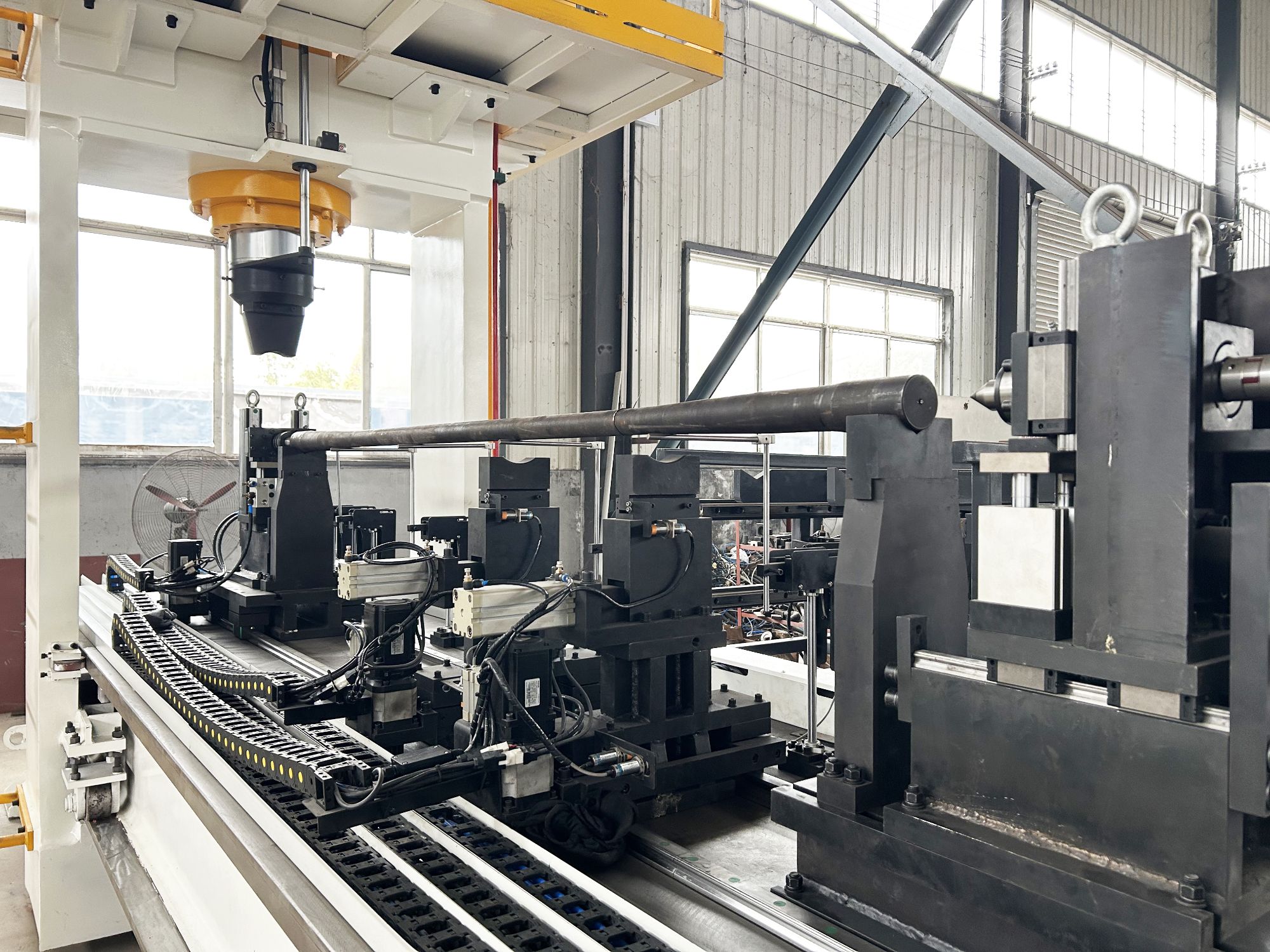
Before any pressing, measure the shaft on V-blocks or between centers. Use dial indicators at several journals so you know where the bend actually is. The location matters: a bend near a main journal often responds better than one near a crank cheek, where stress concentrations are higher.
You also need to check for cracks. Magnetic particle inspection or dye penetrant is worth the time. If there's a crack, do not try to straighten it — the shaft can break under load. Hardened crankshafts are more brittle than soft steel bars, so you need a gentler, more controlled approach.
How the Straightening Fix Is Actually Done
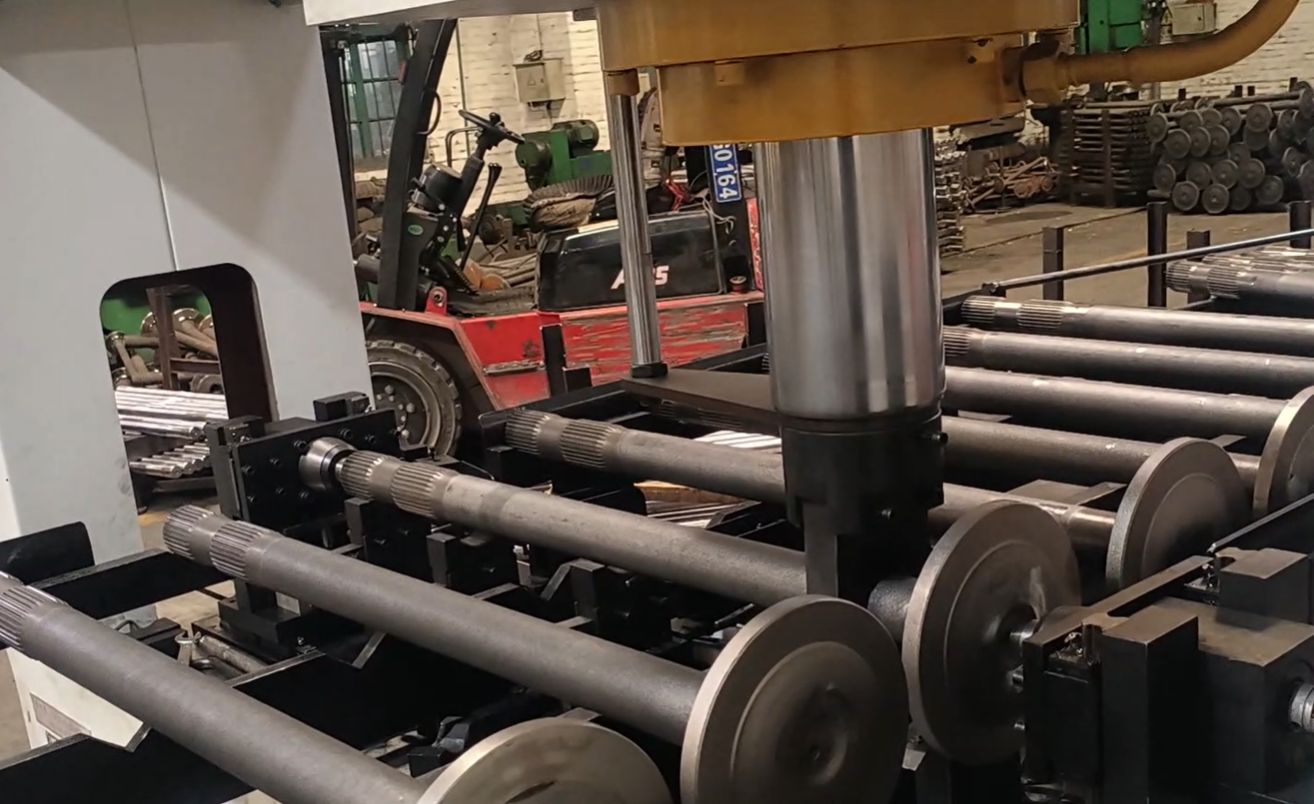
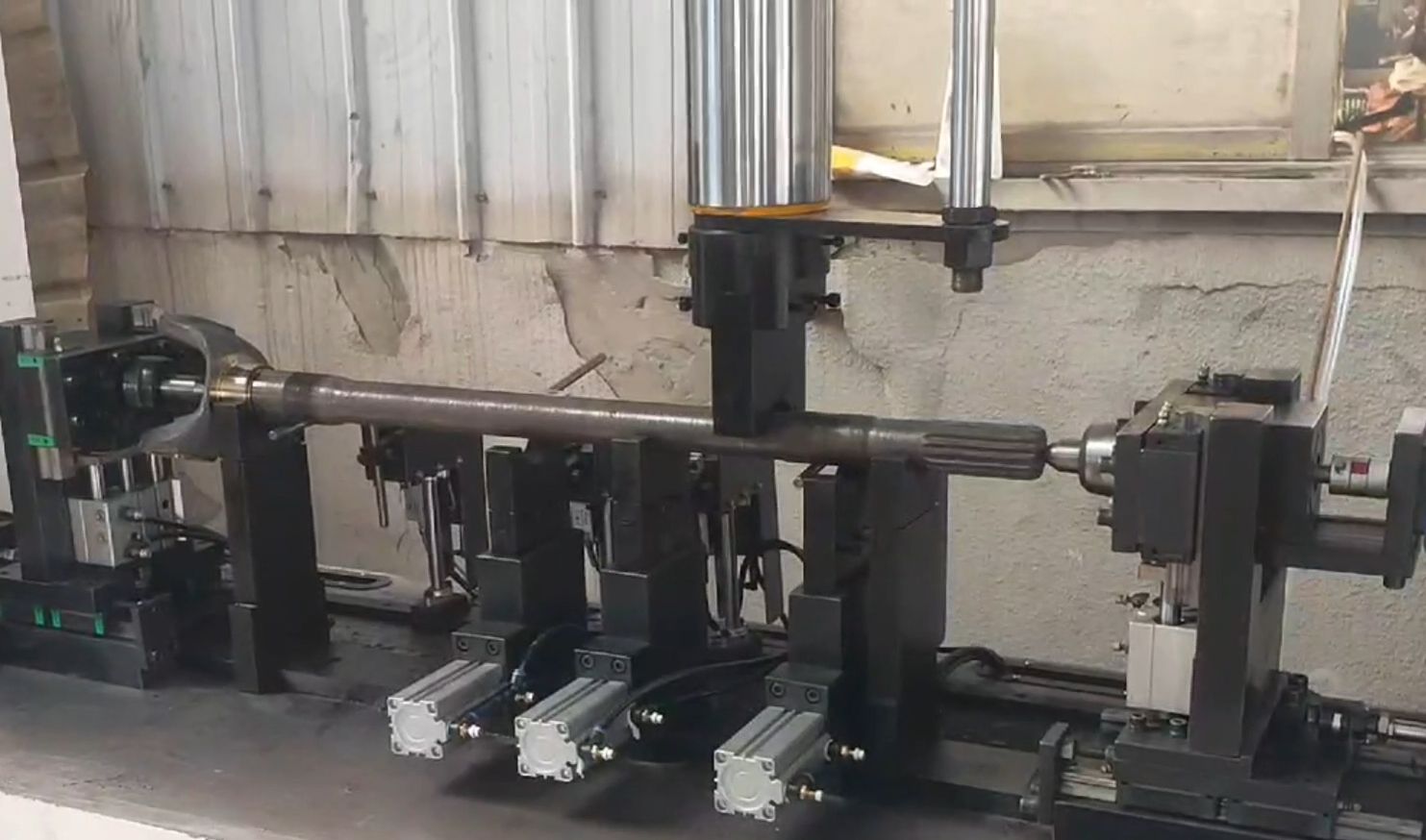
The usual repair is cold straightening. The shaft sits on V-blocks or rollers, a hydraulic ram presses at the high point, and you release and measure again. It is a trial-and-error loop in manual work. You press, watch the dial indicator, press a little more, check spring-back, and repeat.
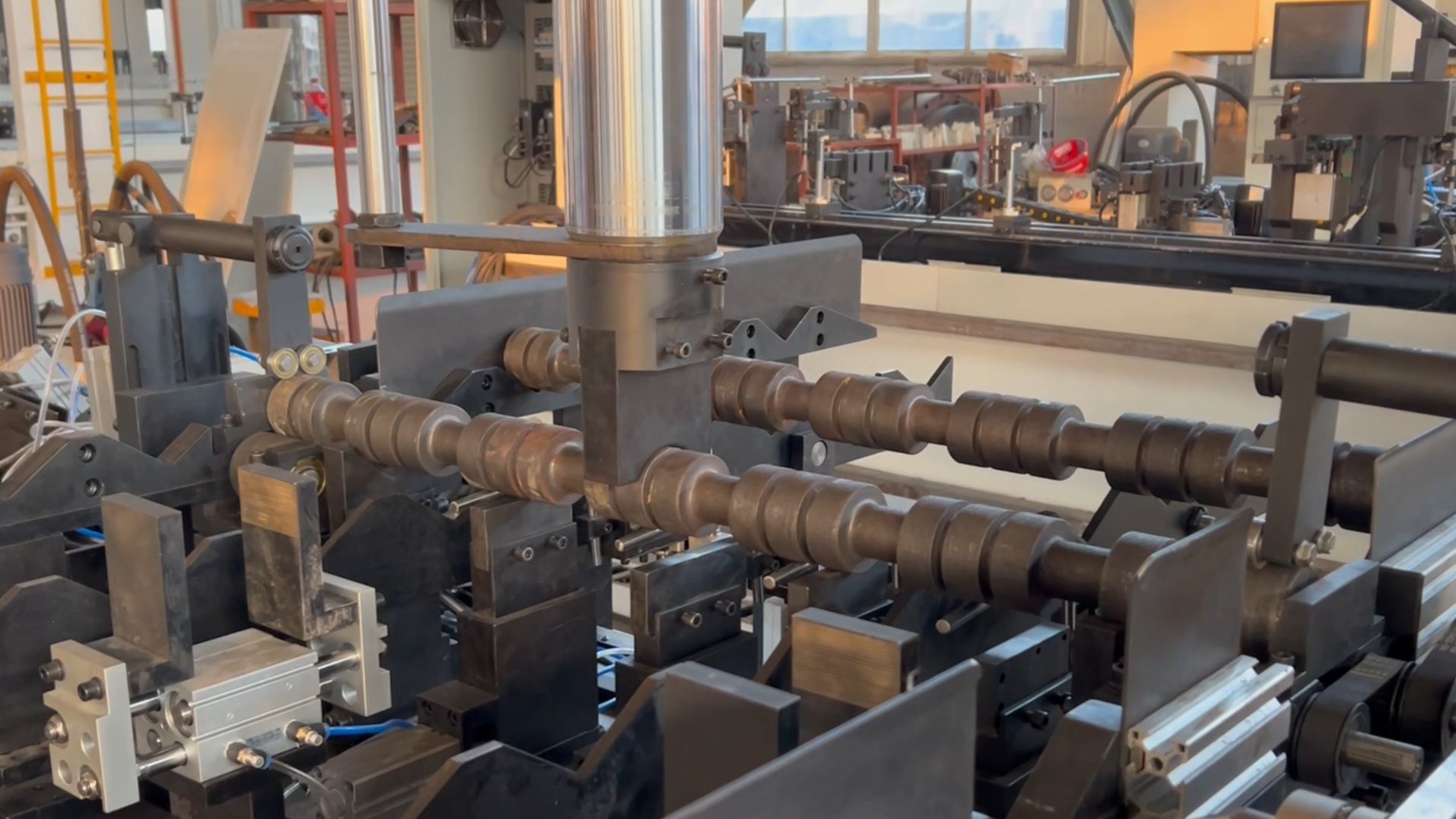
That manual loop is slow and easy to get wrong. If you overshoot, you can bend the shaft the other way. If the V-blocks are hard steel with sharp edges, you might leave marks on journals. Modern automated equipment avoids a lot of this by measuring runout at multiple points, calculating the required press position, and applying pressure without damaging the surface.
Cold straightening vs. grinding undersize
If the bend is too large or the shaft is already at its grind limit, cold straightening may not be enough. Another option is grinding the journals undersize and fitting oversized bearings — but that changes the surface hardness and geometry, and it only works for bends small enough to be cleaned up by grinding. If the runout is out of tolerance beyond what grinding can remove, straightening is the only repair path short of replacement.
Where Automated Equipment Changes the Decision
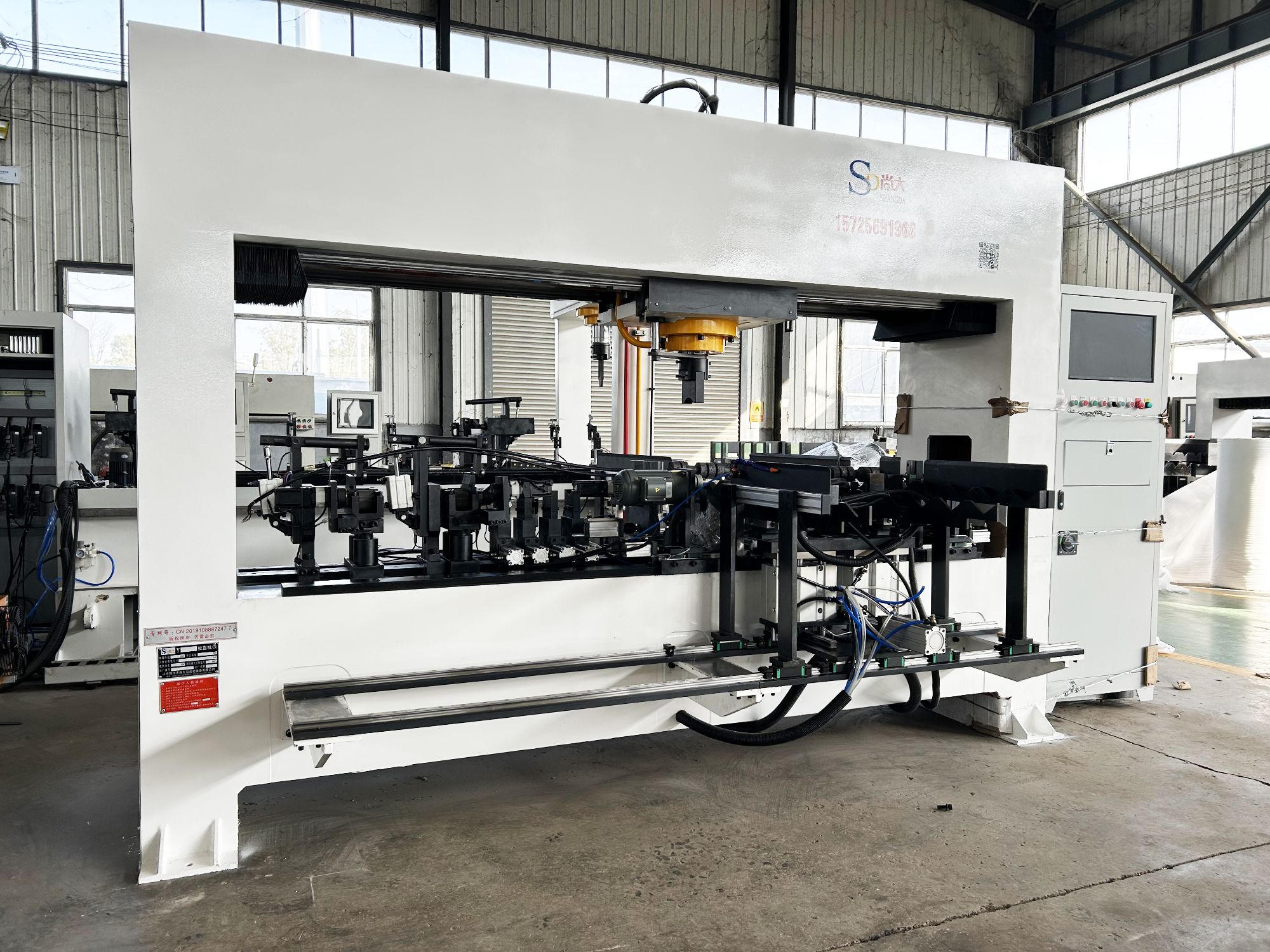
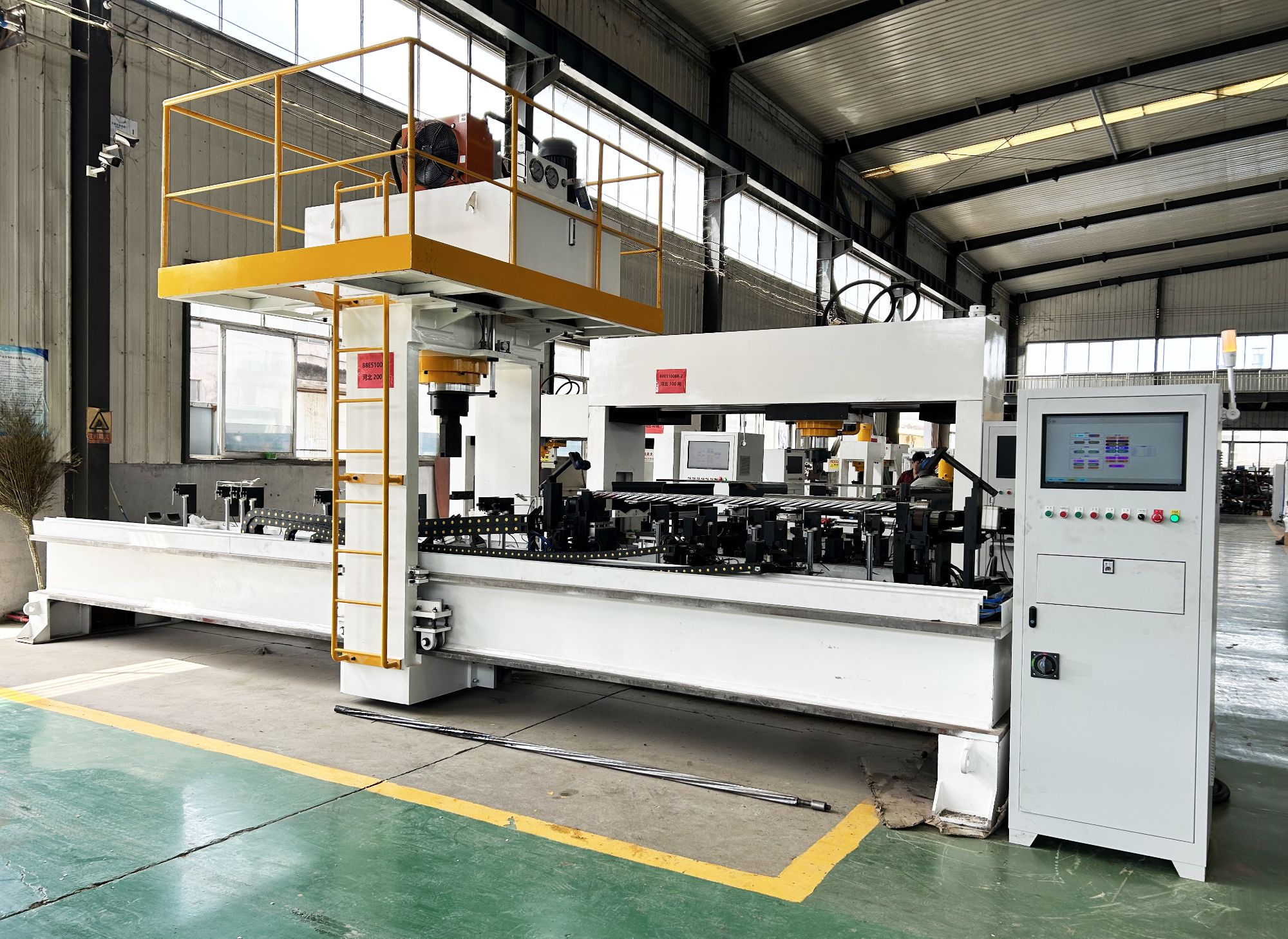
An automated straightening machine changes the math because it can measure, press, and re-measure in one cycle. Instead of a worker guessing how much pressure to apply, the machine’s control system learns the spring-back behavior of the shaft. This is where the 0.01 mm accuracy matters. For a bent crankshaft, holding that kind of tolerance after straightening can mean the difference between a reusable part and scrap.
You also get 3–5 times the speed of manual straightening. One operator can run several machines, and the process works overnight unattended. That doesn't mean every bent crankshaft is worth fixing. But if the bend is within repairable limits, automated point-pressure straightening keeps the material intact and avoids grinding or welding.
Conclusion: Repair or Replace?
So, can a bent crankshaft be fixed? Often yes — if the bend is small, caught early, and the shaft is crack-free. The repair uses controlled point-pressure straightening, not heat. The goal is to bring runout back to a workable tolerance without scratching journals or leaving residual stress.
Before you decide, measure the shaft, inspect for cracks, and compare the cost of repair against replacement. If you're handling crankshafts regularly, automated straightening is worth a look. It reduces guesswork, holds tighter tolerances, and turns a slow manual job into a repeatable process. Want to talk about your specific shafts? Contact us and we'll help you work through the numbers.