
When a “Straight” Bar Shows Up Bent
You unload a batch of heat-treated round bar, set it up for machining, and the first part walks all over the indicator. Bar distortion is one of those problems that hides until it is expensive. The material can look fine at incoming inspection and still carry enough residual stress to move after rough cutting, grinding, or even during transport.
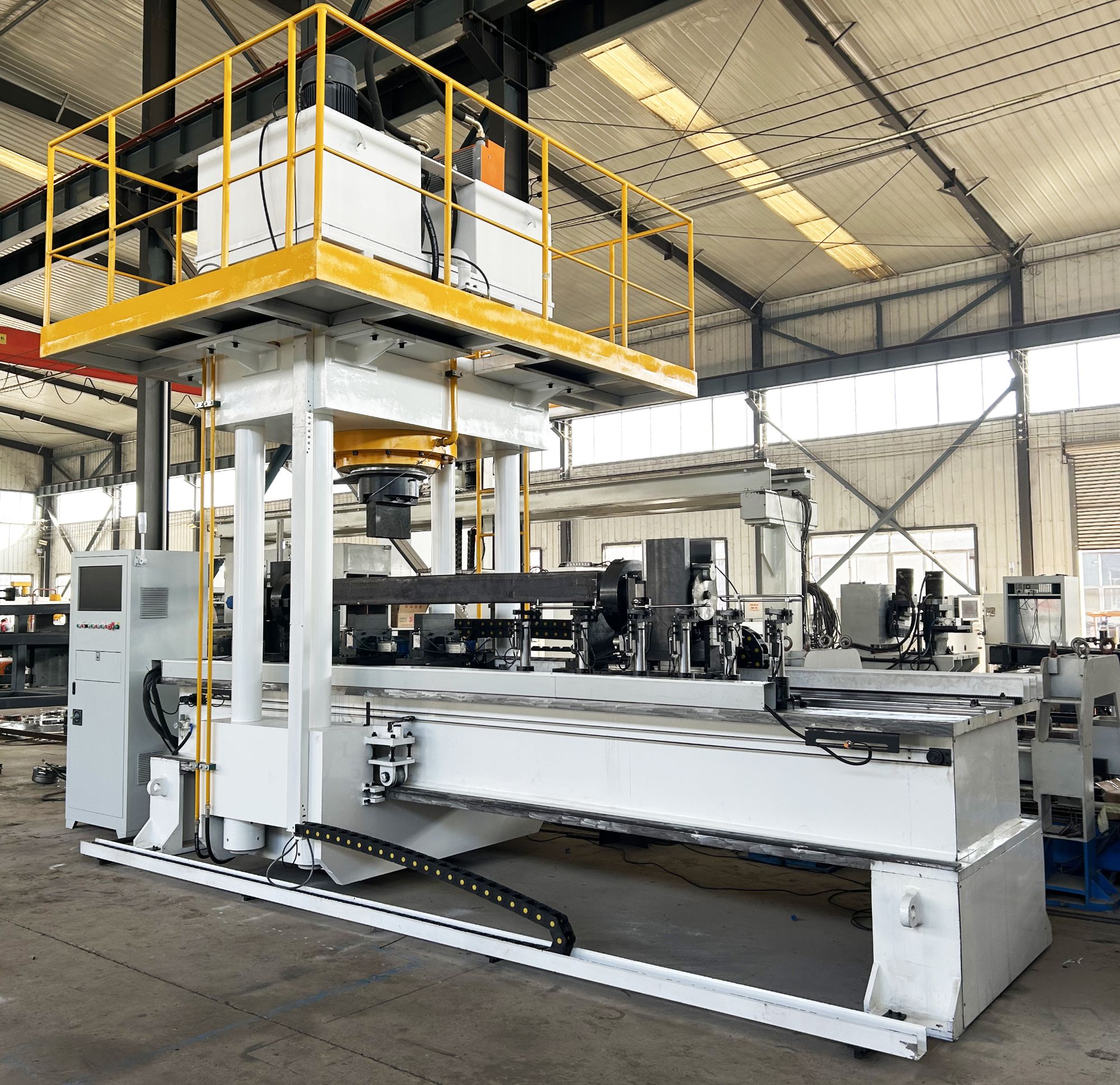
We see this most often with round bar, shafts, drill tools, and long profiles. The cost is not just scrap. It is extra setups, missed delivery dates, and operators trying to press out a bend by feel. That manual approach can work for a few pieces, but it is slow and the results depend on who is on shift.
What Actually Causes Bar Deformation
Most bar distortion starts before your shop ever touches it. Rolled bar leaves the mill with residual stress locked inside. Heat treating adds another layer: uneven cooling, section changes, and material phase transformation all pull the bar one way or another. If the bar is long and slender, even a small stress release can show up as visible bow, twist, or end-to-end runout.
Then you add handling. Bars get dropped, bundled tightly, or stored on uneven racks. A bar that was straight after straightening can come back bent after a week on the floor. That is why final straightening should happen as close as possible to the next machining operation, not days earlier.
How Automated Straightening Fixes It
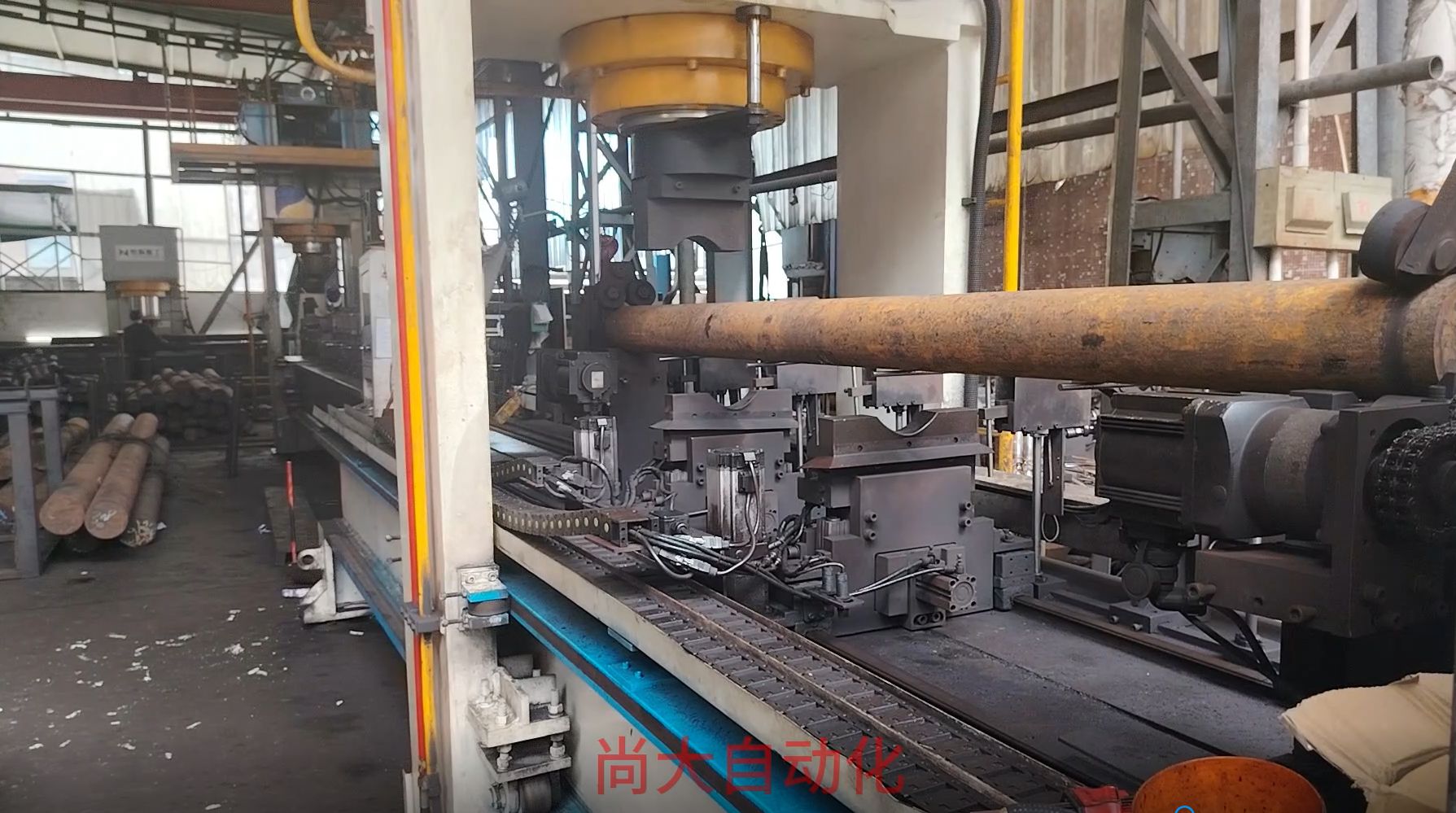
The older method is simple: an operator rolls the bar, finds the high spot, and presses. The problem is repeatability. Manual straightening depends on feel, and it often leaves surface marks from hard contact points. That matters if the bar is a hydraulic shaft or a liquid-cooled pipe where surface finish is critical.
Automated straightening changes the order. The machine measures multiple points along the bar, calculates the bend geometry, and applies pressure only where it is needed. Because the pressure is point-controlled, there are no hammer marks, no scratches, and no deep indentations. This is a big deal for parts that already have final surface finish or need to avoid stress risers.
Accuracy note: our automatic straightening cells hold 0.01 mm straightness on many shafts and bars, running 3–5× faster than manual straightening.
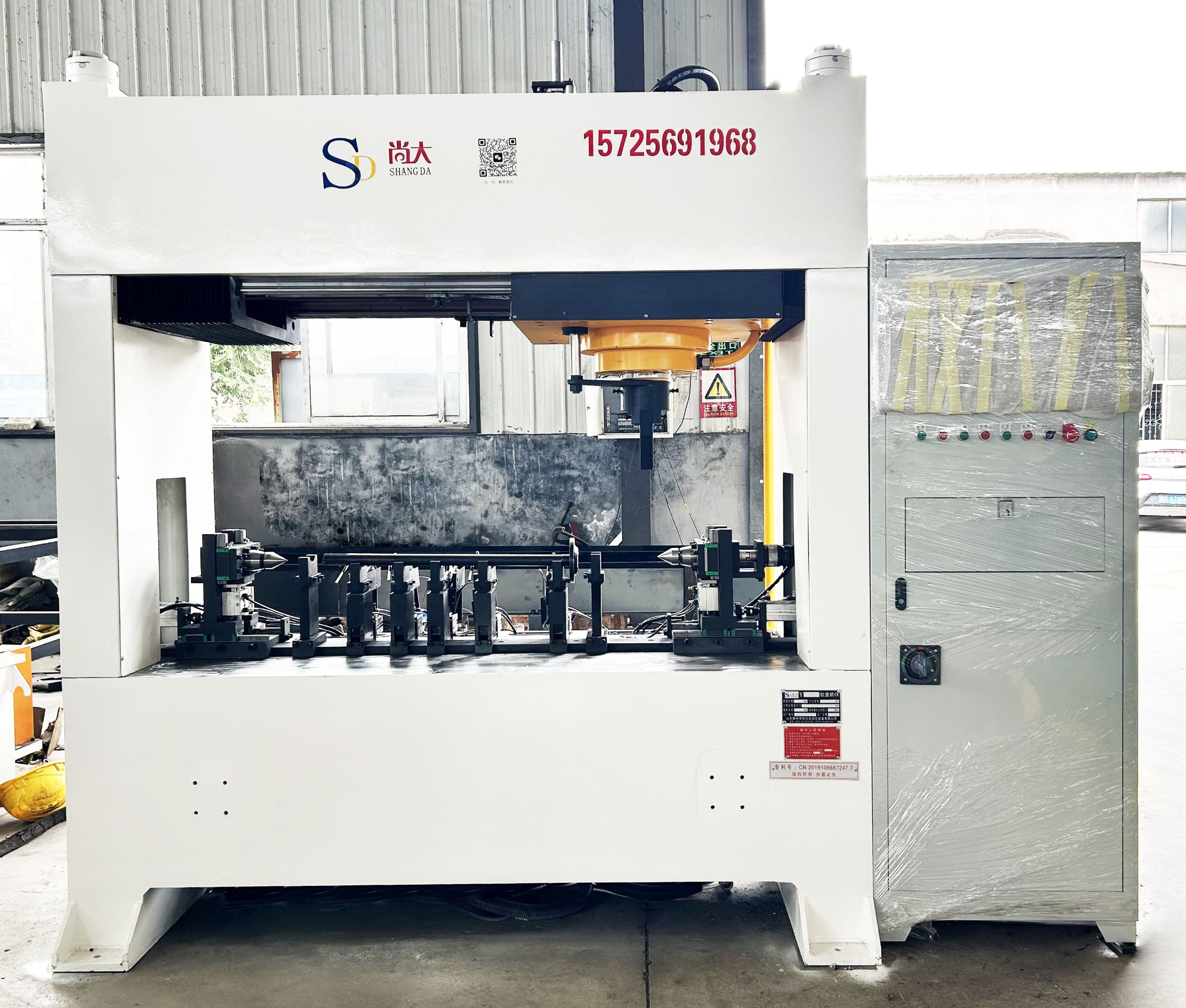
We also use self-developed AI on this equipment. It watches how the material responds stroke by stroke and adjusts the next press. That is how one operator can manage multiple machines without constant attention, and why the result is repeatable from the first bar to the last.
Choosing the Right Straightening Approach
Not every bar needs a 200-ton press. Smaller diameter rounds and thin-walled tubes may straighten better with lighter, faster pressure cycles. Longer parts need more support points. Square tubes and special profiles often need twisting and roundness correction, not just single-plane bending. If the bar has been heat treated, crack detection matters too. We run QASS crack detection on critical parts so a straightening cycle does not mask a material problem.
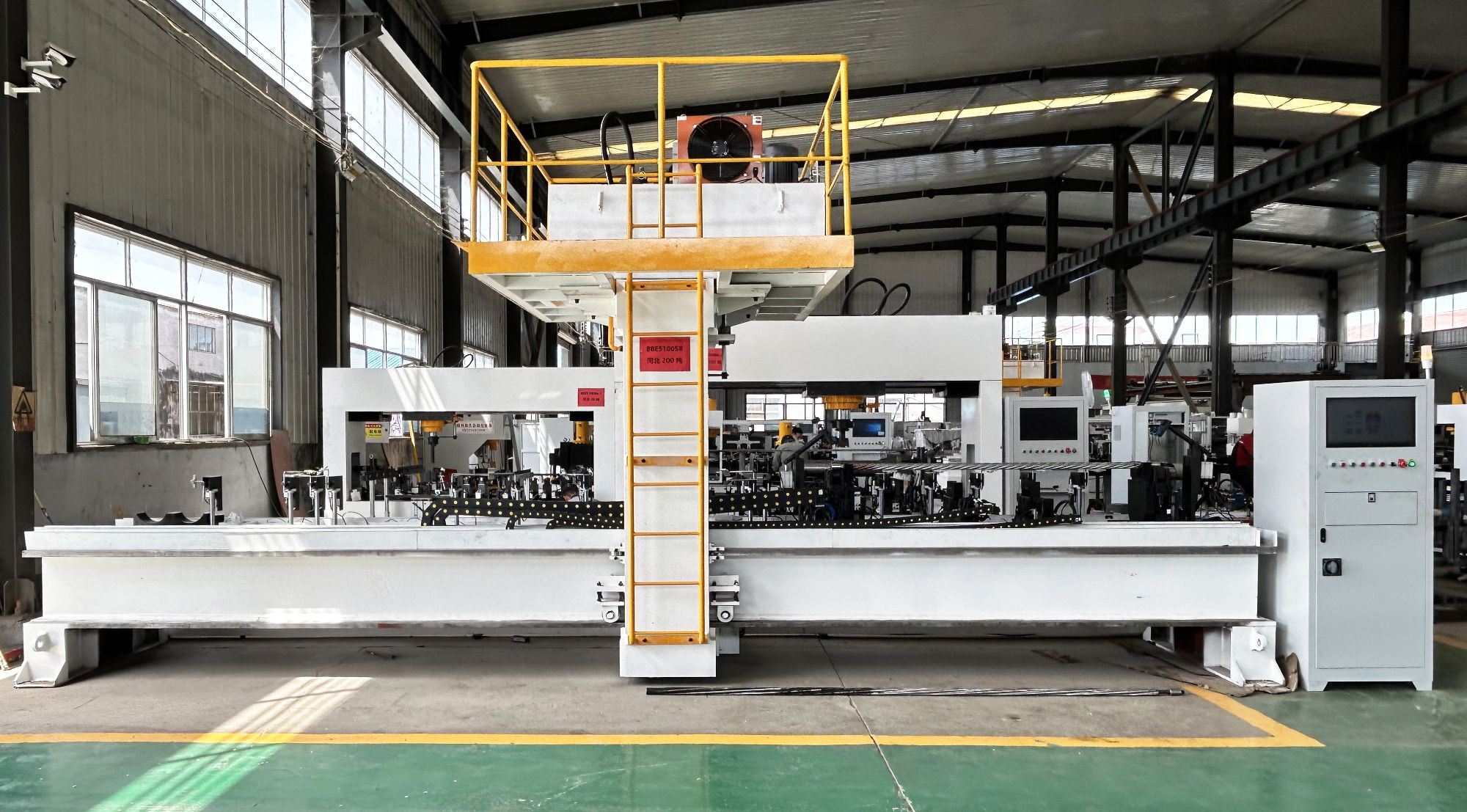
For volume production, look for a line that can load, measure, straighten, and unload without a person in the loop. That changes how many bars you can process in a shift and removes the biggest variable: operator judgment. Long and heavy workpieces are where a 200-ton shaft and bar straightening machine earns its floor space.
What to Do Next
If bar distortion is causing rework or scrap, start by charting where the bend comes from: mill stress, heat treat, handling, or post-machining movement. Then test a few parts on automated straightening equipment and compare the straightness after 24 hours, not just right after the cycle. Good straightening should hold.
We work on these applications every week, from half-shafts and drilling tools to long round bar and special profiles. If you want to send a drawing or a bent sample, talk to our team here and we'll give you a straight answer.