After heat treatment, shaft parts tend to bend, which is a problem that almost every person involved in the process has to overcome. Once the shaft is quenched, the detection instrument is used, and bending amounts of 0.3mm, 0.5mm, or even 1mm or more are displayed. The remaining allowance for the next grinding process is simply not enough.
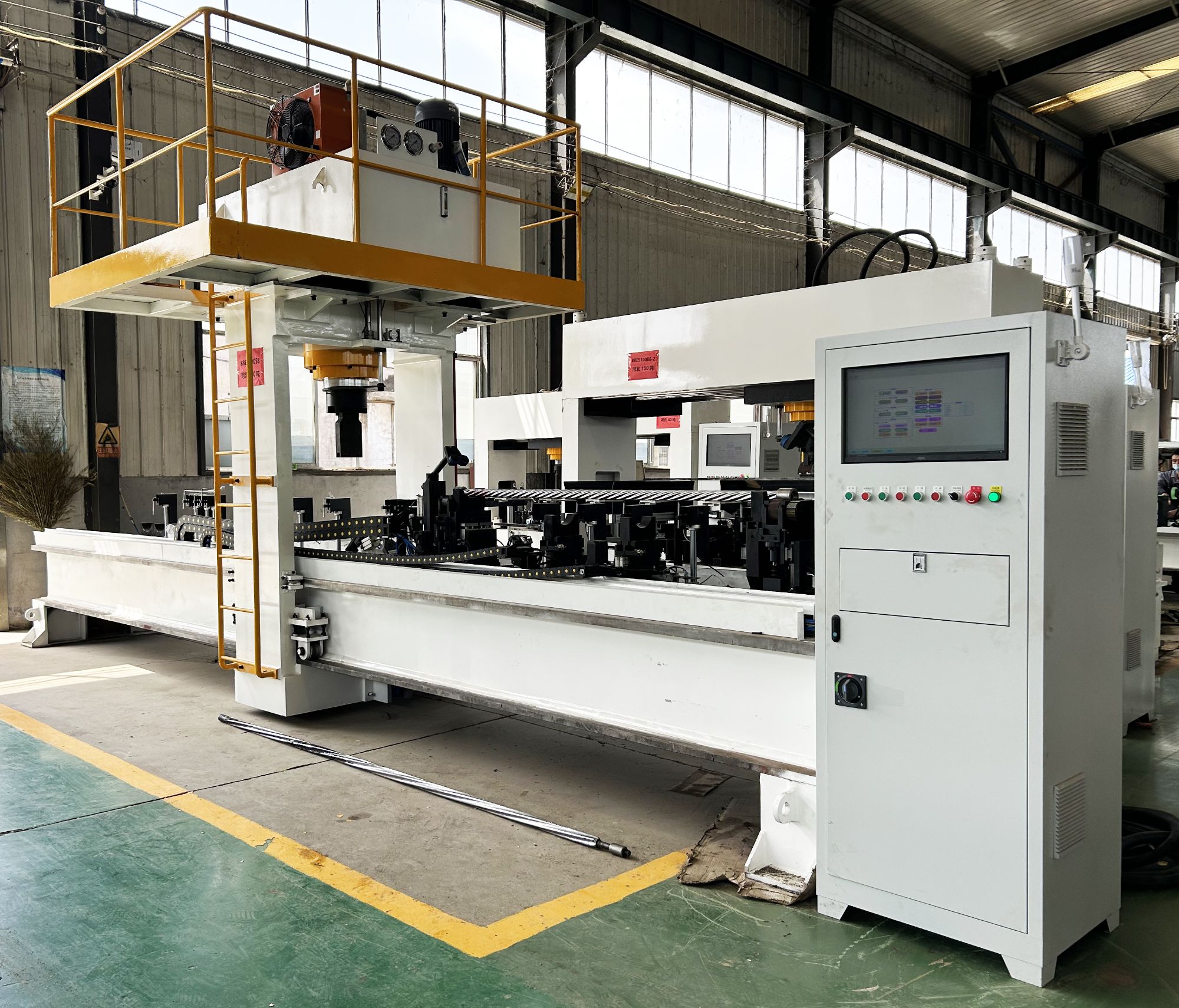
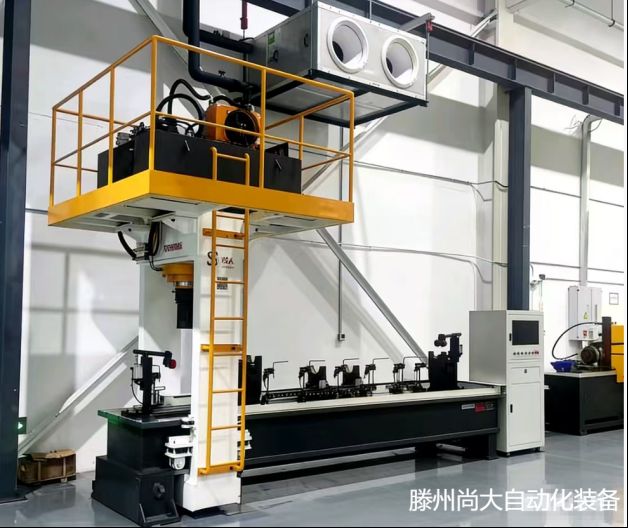
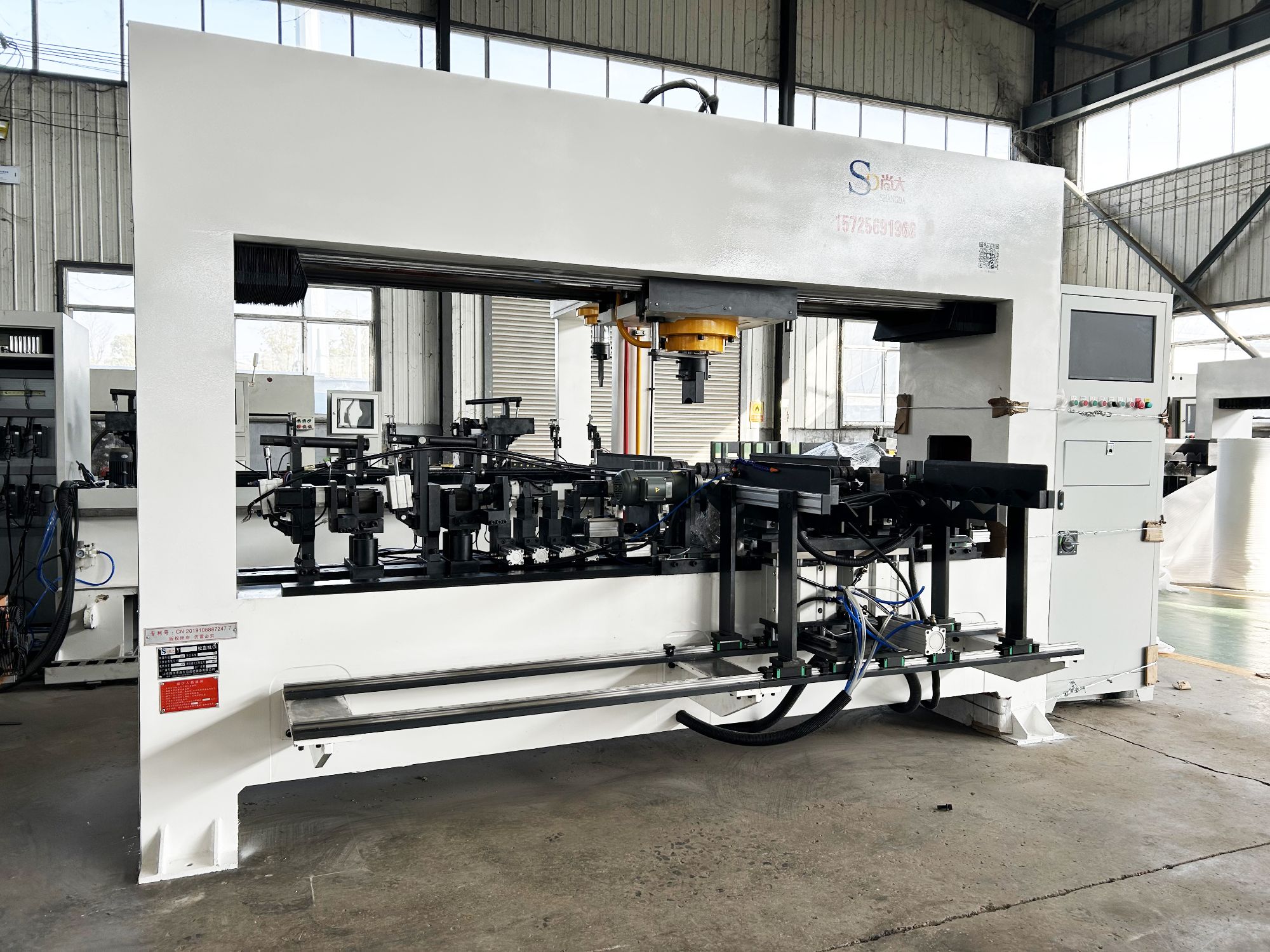
When faced with this situation, many people's first reaction is to use a "collet straightening machine". However, without understanding how to choose the straightening machine, when to straighten, and whether the straightening process will cause cracking, the purchased equipment may actually become a burden. This article starts from the root cause of deformation and explains more clearly what the automatic straightening machine actually solves.
Let's look at why your shaft bends
The deformation of shaft parts during heat treatment is caused by stress. During heating and cooling, the temperatures at the surface and the core of the workpiece are not consistent, resulting in different thermal expansions and contractions, generating thermal stress; subsequently, the phase transformation (from austenite to martensite/bainite) brings about volume changes, generating organizational stress. The combination of these two factors causes the part to undergo plastic bending when the stress exceeds the yield strength of the material at that temperature.
Specifically for your workshop, the shape and amount of the bend depend on several variables:
Material and cross-section. For slender shafts, the rigidity is poor, and the same stress will cause a greater bending amount. Shafts with spline, oil holes, or variable diameters have more stress concentration points, and the deformation is often not a simple "arch-shaped bend" but an S-shaped or even spiral bend.
Heat treatment process. If the quenching temperature is too high or the cooling speed is too fast, both thermal stress and organizational stress will be greater. If the loading position of the furnace is improper, the workpiece will sag under its own weight and the deformation will be compounded.
Residual stress from the previous process. Internal stress left from forging or rough machining, which is released during heat treatment, will also exacerbate the final deformation.
Therefore, the optimal solution to reduce deformation always lies before and during heat treatment - optimizing the loading, controlling the heating and cooling speed, and arranging stress relief annealing after rough machining. But when all these methods have been exhausted and the deformation still exceeds the tolerance, straightening is a necessary reality to face.
The problem with manual straightening is not just "slow"
Traditional manual straightening relies on the sense and experience of experienced workers: observing the movement with the eyes, pressing with a press machine at a higher point, and then checking with a measuring instrument. This process can barely function in single-piece or small-batch production, but it exposes several drawbacks when used in mass production:
Consistency cannot be guaranteed. For the same workpiece, Master Zhang may press to 0.05mm, while Master Li may press to 0.08mm. When a different person takes over, the result changes. The larger the batch, the more obvious the fluctuation.
Efficiency bottleneck. Straightening one shaft manually from measurement to pressing and then re-inspection takes from a few minutes to several tens of minutes. When the heat treatment line produces hundreds of pieces a day, the straightening station becomes the bottleneck.
The risk of excessive straightening. The pressure is entirely controlled by hand, and pressing too much can cause the workpiece to crack or develop micro-cracks, which are not visible to the naked eye. The damage is only exposed when it is time for grinding or assembly, and the damage has already occurred.
Heat treatment process. If the quenching temperature is too high or the cooling speed is too fast, both thermal stress and organizational stress will be greater. If the loading position of the furnace is improper, the workpiece will sag under its own weight and the deformation will be compounded.
Residual stress from the previous process. Internal stress left from forging or rough machining, which is released during heat treatment, will also exacerbate the final deformation.
Therefore, the optimal solution to reduce deformation always lies before and during heat treatment - optimizing the loading, controlling the heating and cooling speed, and arranging stress relief annealing after rough machining. But when all these methods have been exhausted and the deformation still exceeds the tolerance, straightening is a necessary reality to face.
The problem with manual straightening is not just "slow"
Traditional manual straightening relies on the sense and experience of experienced workers: observing the movement with the eyes, pressing with a press machine at a higher point, and then checking with a measuring instrument. This process can barely function in single-piece or small-batch production, but it exposes several drawbacks when used in mass production:
Consistency cannot be guaranteed. For the same workpiece, Master Zhang may press to 0.05mm, while Master Li may press to 0.08mm. When a different person takes over, the result changes. The larger the batch, the more obvious the fluctuation.
Efficiency bottleneck. Straightening one shaft manually from measurement to pressing and then re-inspection takes from a few minutes to several tens of minutes. When the heat treatment line produces hundreds of pieces a day, the straightening station becomes the bottleneck.
The risk of excessive straightening. The pressure is entirely controlled by hand, and pressing too much can cause the workpiece to crack or develop micro-cracks, which are not visible to the naked eye. The damage is only exposed when it is time for grinding or assembly, and the damage has already occurred.