General-Purpose Straightening

Cycle Time, Setup, and What You Can Actually Hold

Before you look at the numbers, one thing: I won't hand you a catalogue tolerance and tell you to expect it on every bar. What this machine holds depends on what you feed it. If your incoming rod stock is already straight within 0.3 mm per meter, you can chase tighter output. If it starts with 2 mm of runout, the first pass will correct most of it, not erase it in one shot.

10–160 mmWorkpiece diameter
1.5–6 mStraightening length
18–90 sTypical cycle time
< 15 minSetup changeover
PLC closed-loopControl system
60–200 tStraightening force range

What Makes This Straightener Fast to Run and Fast to Change Over

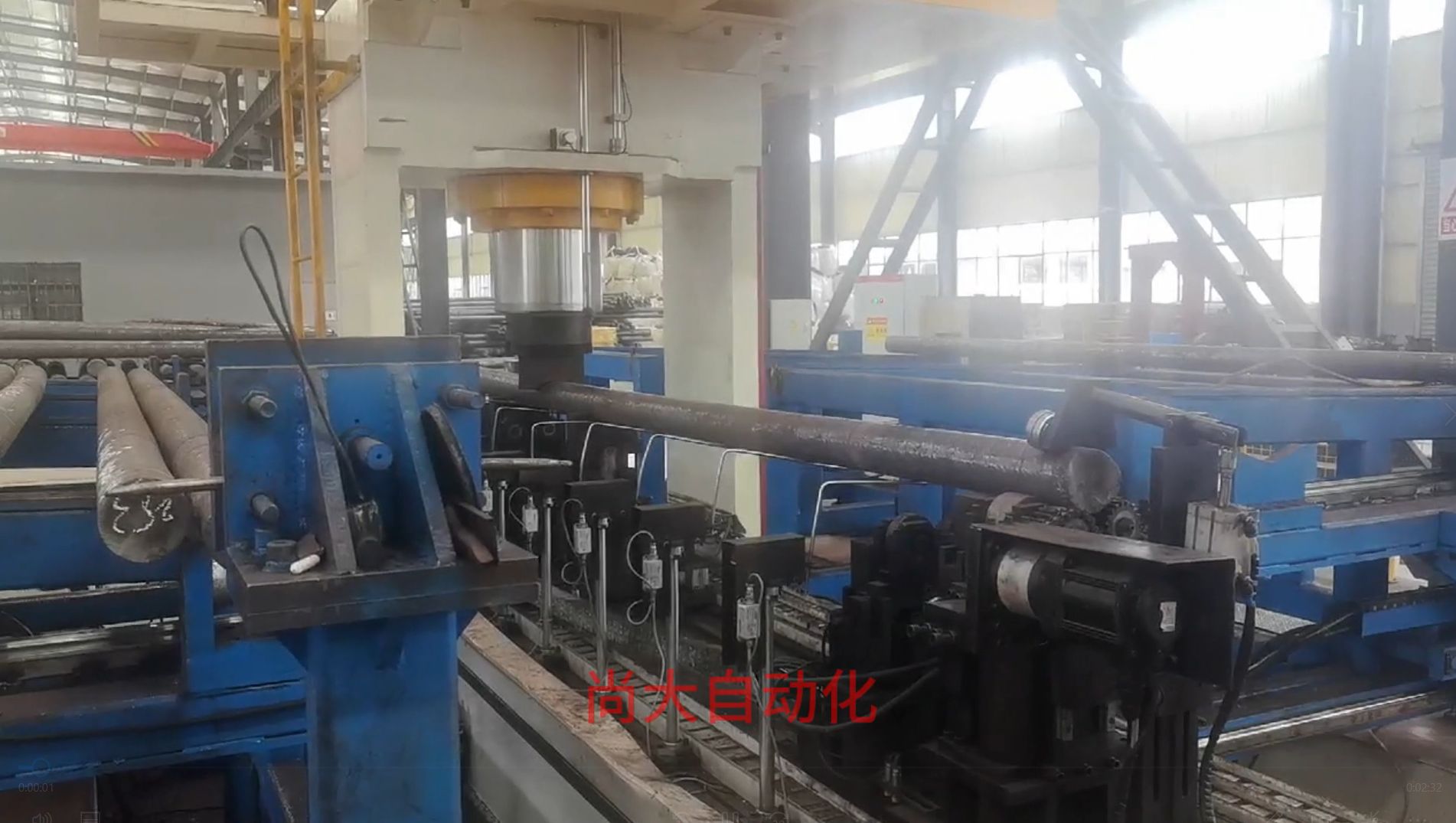
160 mm section round bar during straightening

Point-pressure without marking the surface

I've watched shops fight with roller straighteners that leave witness marks or crush the surface. This machine uses a point-contact anvil and a controlled dwell, so you remove the bend without introducing a new defect. On a 160 mm bar, the contact area stays small enough that we don't see indentation even on non-ferrous material.
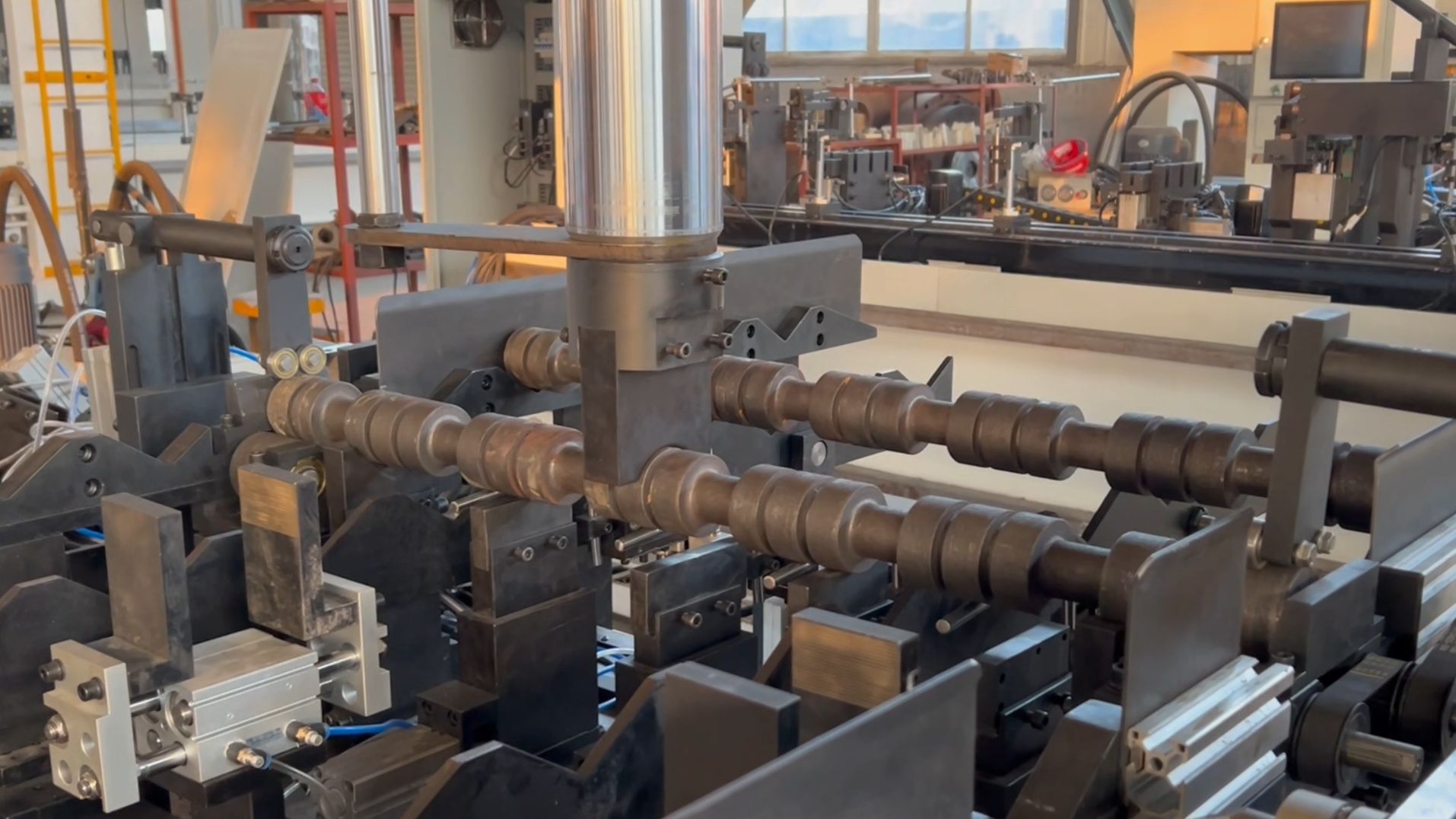
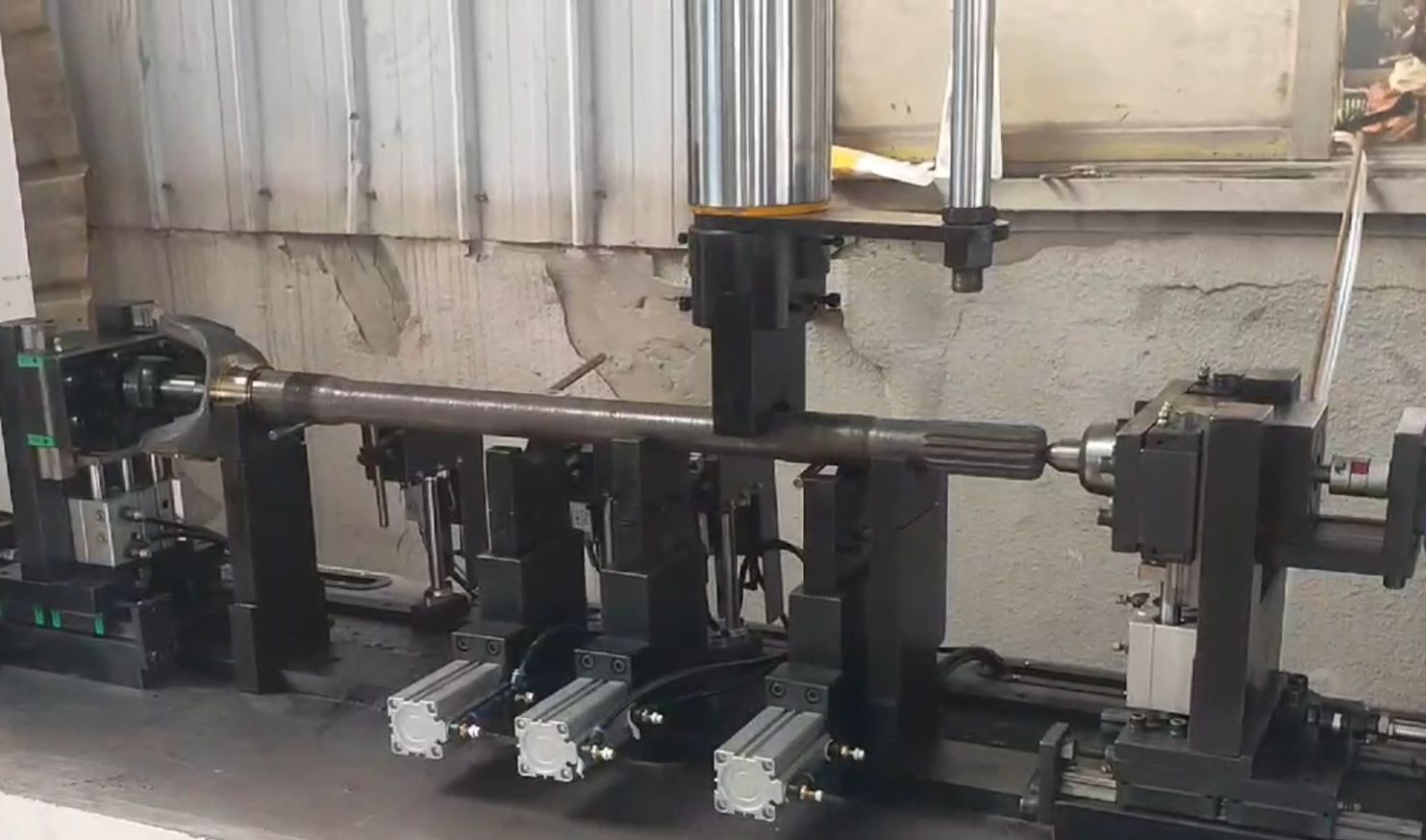
Concave and convex shaft bar during straightening

Three-point measurement catches runout that a single gauge misses

A single contact point will straighten the high spot and leave the far end wild. The measuring carriage checks three positions along the bar before and after each press, so the control knows if the rod is S-shaped, not just bowed. That's why it doesn't surprise you with spring-back.

Drive shaft bar during straightening

Recipe-based setup means the next job starts in minutes, not hours

Each part number stores target straightness, support positions, and press limits. The operator selects the recipe, loads the bar, and the machine moves the supports and measuring heads automatically. We've seen changeover go from two hours on a manual press to under 15 minutes.

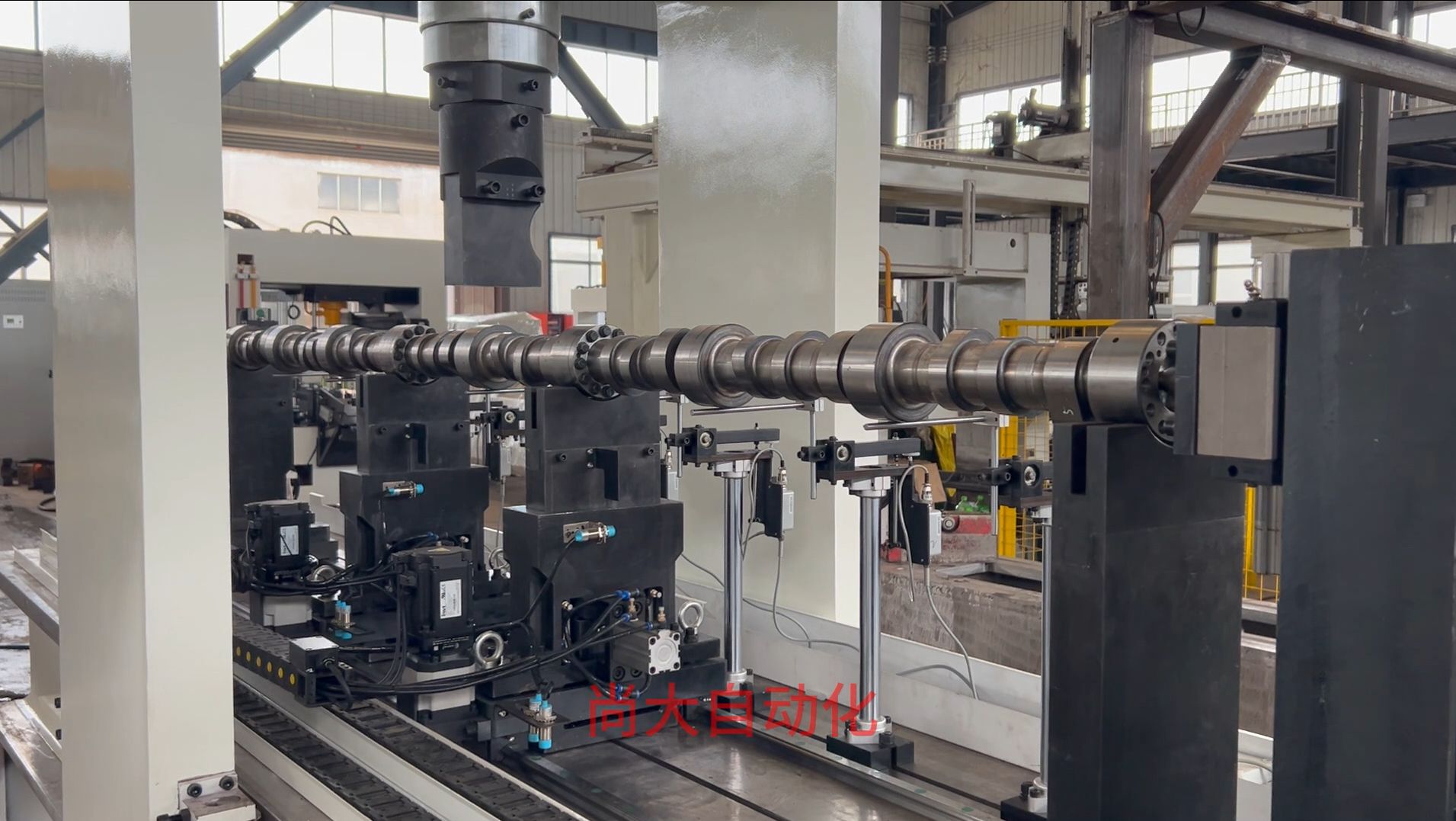
Large crankshaft bar during straightening

Auto infeed turns a one-man station into a batch cell

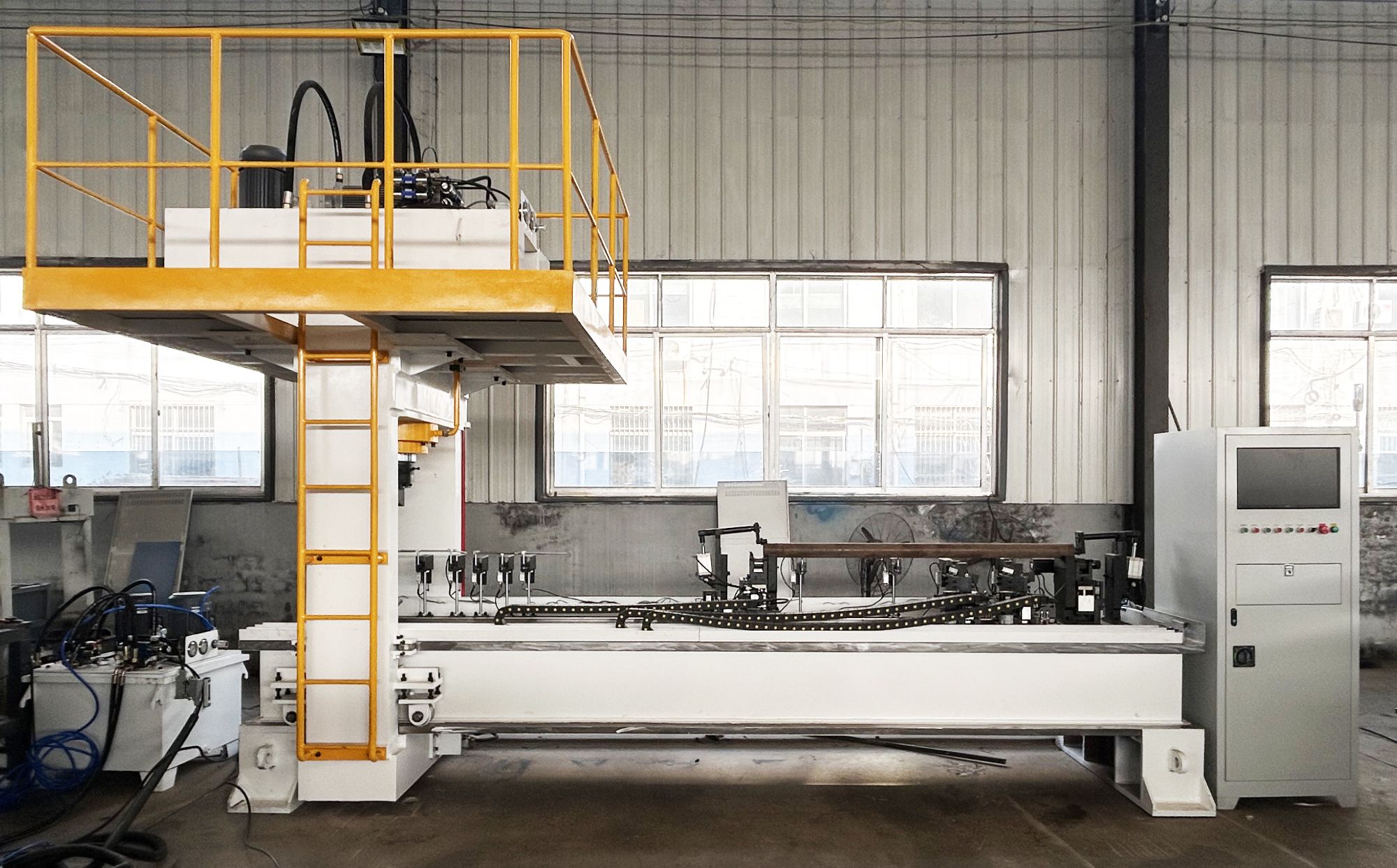
For repeat runs, an integrated infeed rack and eject conveyor let one operator tend multiple machines. The straightener signals when it needs material, and the next bar drops into the V-block without manual handling.

Straightening Data Sheet for the Iron Rod Straightener

Representative specs for the three frame sizes we configure most. I confirm exact parameters against your rod drawings and incoming tolerance before you sign anything.

Frame option 60 t 120 t 200 t
Max diameter 60 mm 120 mm 160 mm
Max length 3000 mm 6000 mm 6000 mm
Typical cycle time 18–40 s 25–70 s 30–90 s
Power 15 kW 22 kW 37 kW
Weight 8 t 12 t 20 t
Floor space 3.2 × 1.8 m 4.5 × 2.2 m 5.8 × 2.6 m

These are not magical limits. If your raw material comes in with high runout, cycle time goes up because the machine runs additional passes. The closed-loop system stops when the measured straightness reaches the target you set—not when a timer ends. Every unit ships with CE documentation where required, and the build is covered by our ISO 9001 process.

Where We See These Machines on the Shop Floor

Most installations start in general fabricating and steel service centers, where runs change every shift. Then they spread into automotive tier suppliers, oil & gas tooling, and heavy equipment repair. The common thread is the need to switch from one rod size to another without losing half a shift.

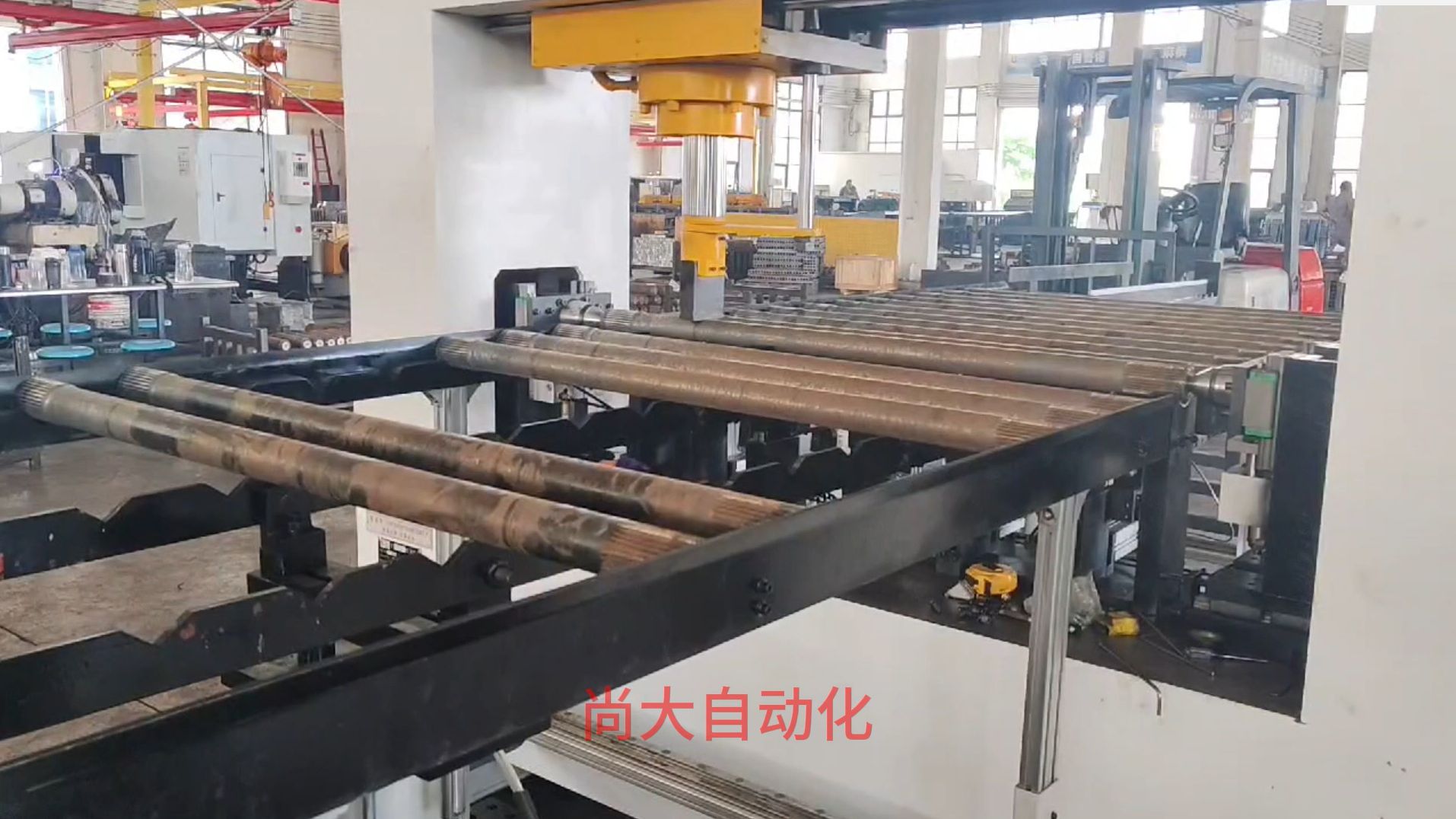
Geared shaft batch straightening with automatic infeed
Geared shafts on auto infeed – one operator can run the cell.
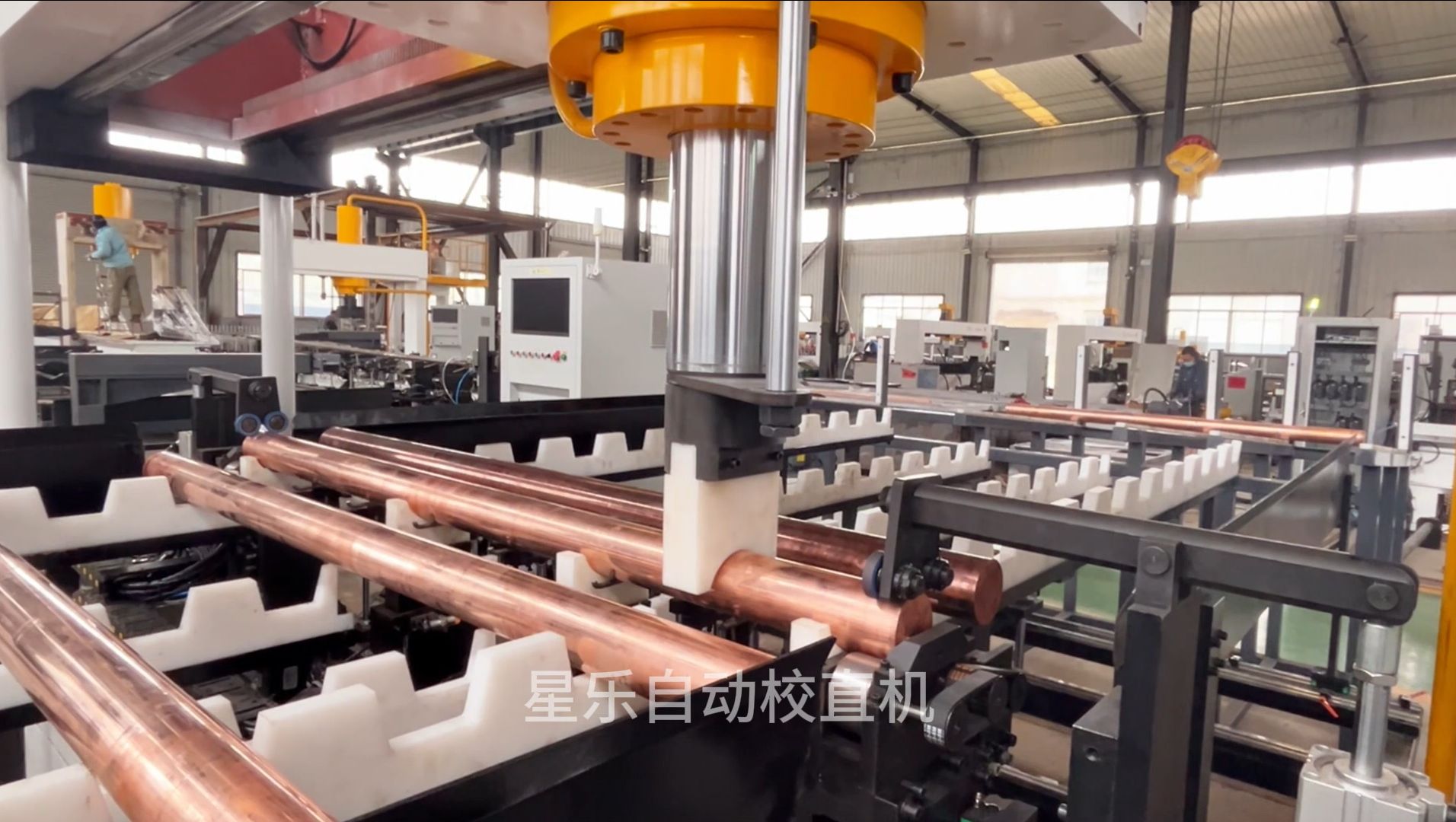
Copper rod during straightening
Copper rod work for electrical bus and motor applications.
Round bar under point-pressure straightening
Round bar point-pressure correction.
Hexagonal iron bar in 120 ton straightening machine
Hexagonal iron bar under 120 t load.
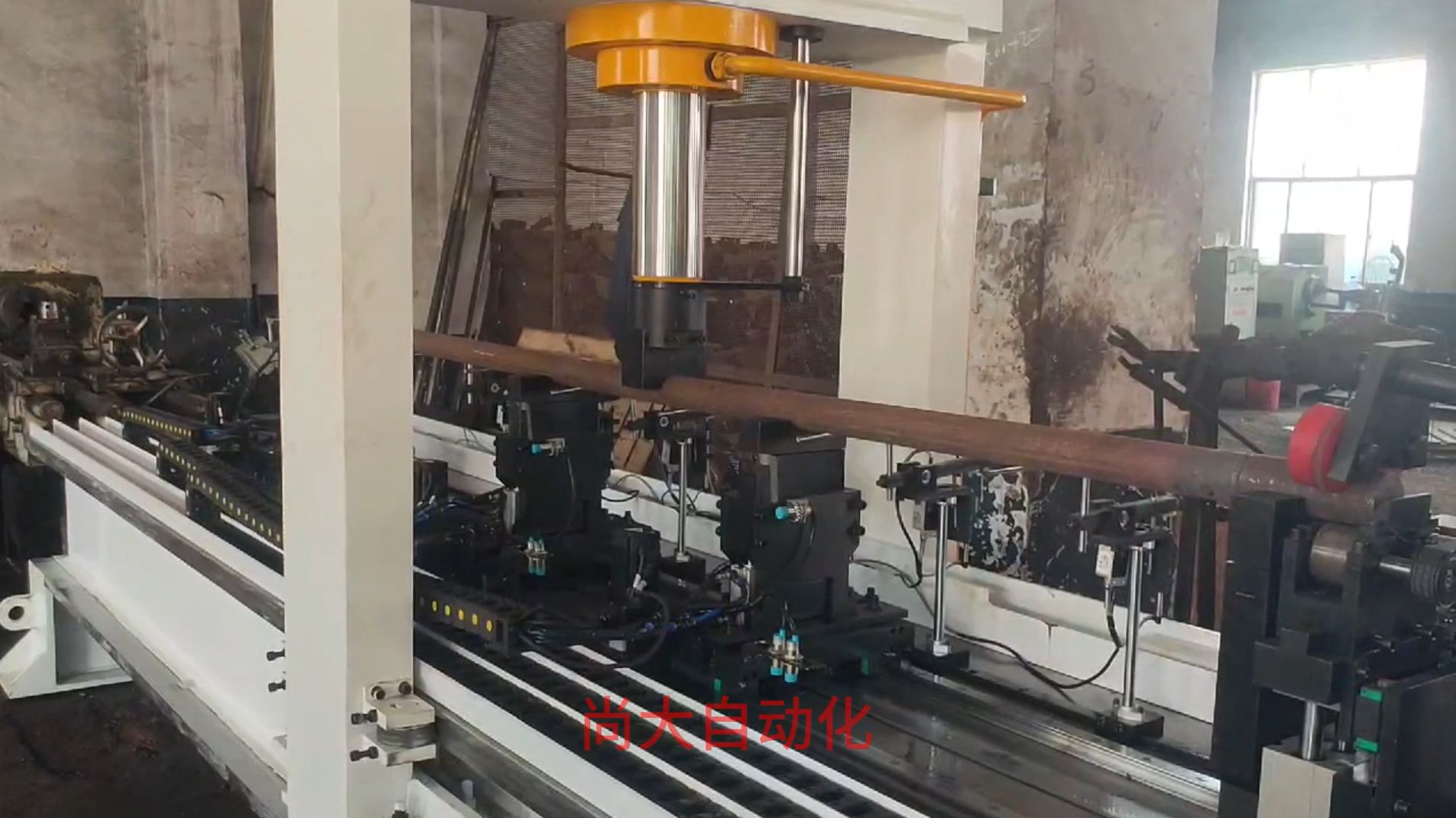
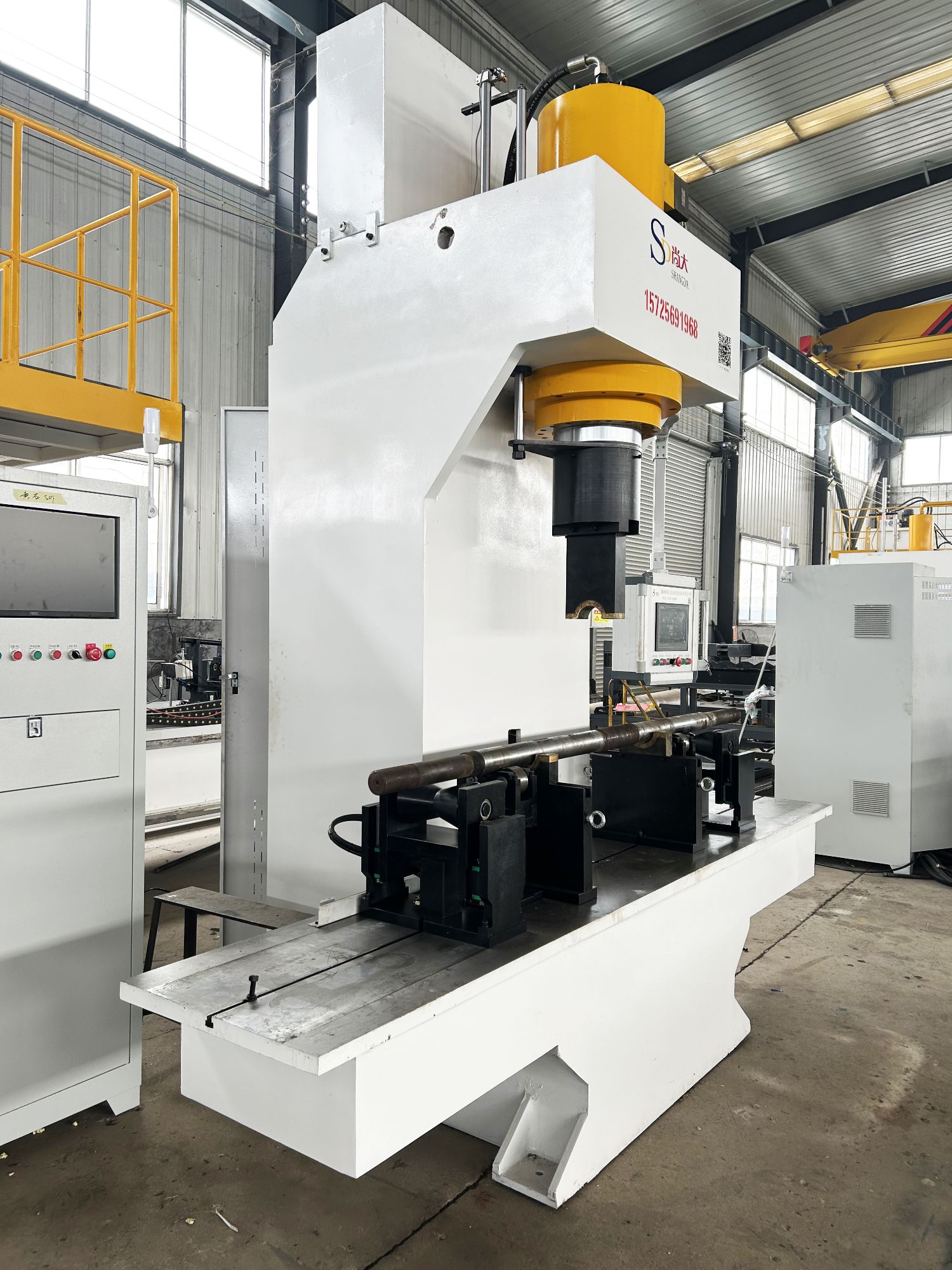
Shaft bar using 200 ton C-frame straightener
Shaft bar in a 200 t C-frame straightener.

Run Your Own Rods Through It Before You Decide

I'd rather you send us 10 or 20 of your actual rods than talk about specs on a call. We will run them, measure before and after, and show you what the machine can do with your material—not what a brochure says it can do with perfect stock. If your raw material is straight, we'll show tight numbers. If it isn't, we'll show what a first pass gets you.

General-Purpose Rod Correction

iron rod straightener

Cycle time under 90 s · setup under 15 min

I built this page around the three things you actually ask about in a straightening cell: how fast does it run, how close can it hold, and how long does it take to switch from one part number to the next. This machine is our general-purpose answer for round bar, shaft, and profile correction—without the fragile assumptions you sometimes get from sales catalogues.

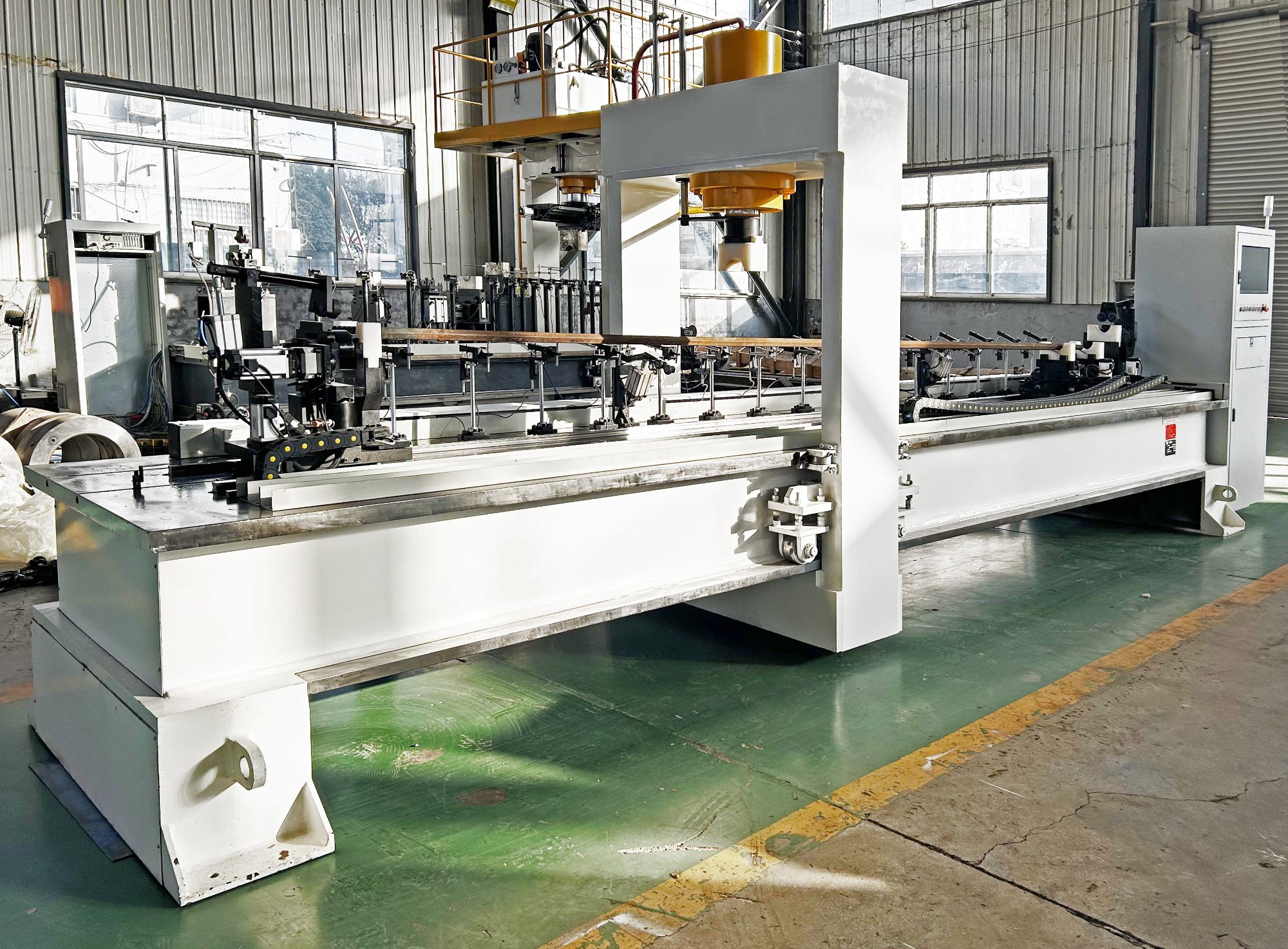
Iron rod straightener main product photo
General-purpose iron rod straightener in our assembly bay.

Request a Quote

Interested in iron rod straightener? Fill out the form below and our team will get back to you within 24 hours.

Your information is kept confidential. We typically respond within 24 hours.