
The Problem with Straightening Small Crankshafts
If you've ever tried straightening small crankshafts by hand, you know it's a slow, inconsistent process. Even with a dial indicator and a press, getting a shaft down to under a few tenths of a millimeter of runout takes patience — and a lot of back-and-forth. When production volume picks up, manual straightening becomes a real bottleneck.
We ran into that exact situation with a batch of compact crankshafts for small engines. The raw forgings often came in with 8–10 mm of bend, and trying to hit a straightness spec under 1 mm manually wasn’t cutting it. So we set up a frame-type automatic straightening machine, and threw an automatic loading system on the front of it. What a difference.
How Our Frame-Type Machine Tackles the Job
Automatic Loading Cuts Handling Time
Instead of an operator placing each shaft into the machine, a simple conveyor and pick-and-place mechanism now feeds them in one after another. The whole sequence — load, straighten, unload — takes about 50 seconds per part. You basically fill a tray and walk away.
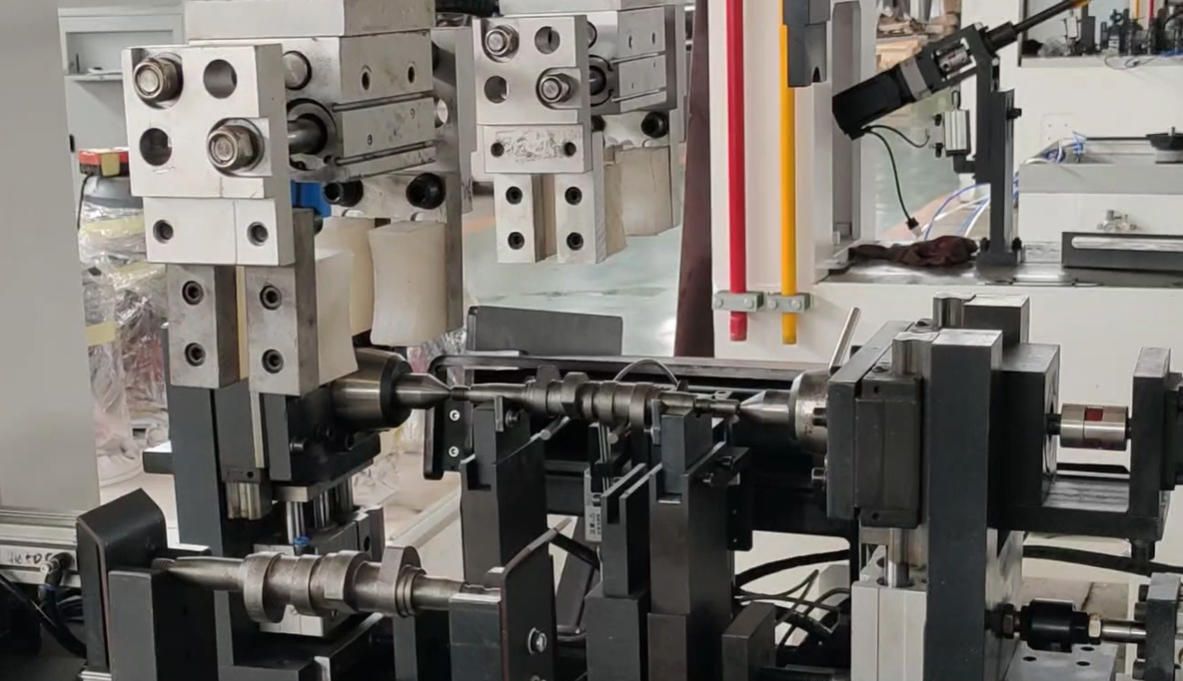
The frame-type press itself is straightforward: a rigid C-frame or closed-frame structure, a hydraulic or servo-driven ram, and a couple of support vee-blocks. The real smarts are in the measurement and control loop.
From 0.313mm to 0.089mm: The Power of In-Process Measurement
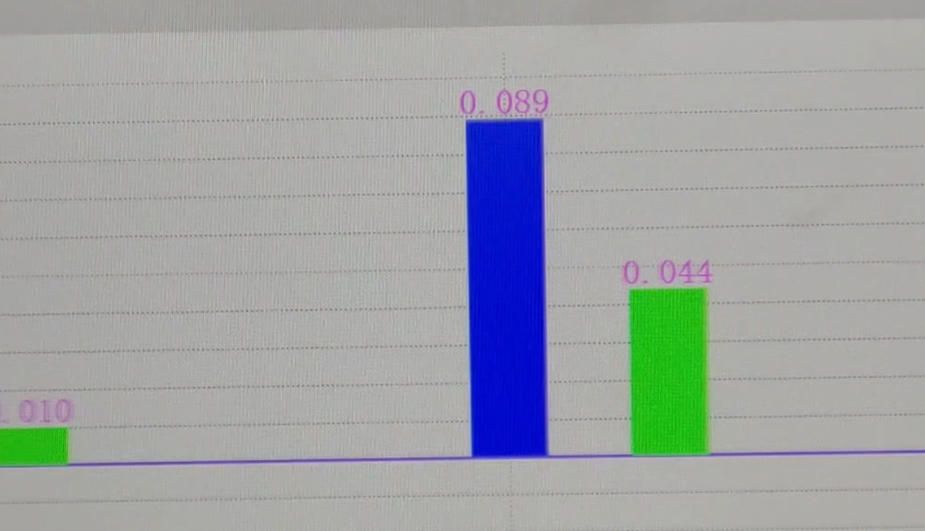
The machine doesn't just push and hope. Before straightening, a laser or LVDT probe sweeps along the journal to capture the true runout. On a recent job, the biggest bend we measured was 0.089 mm.
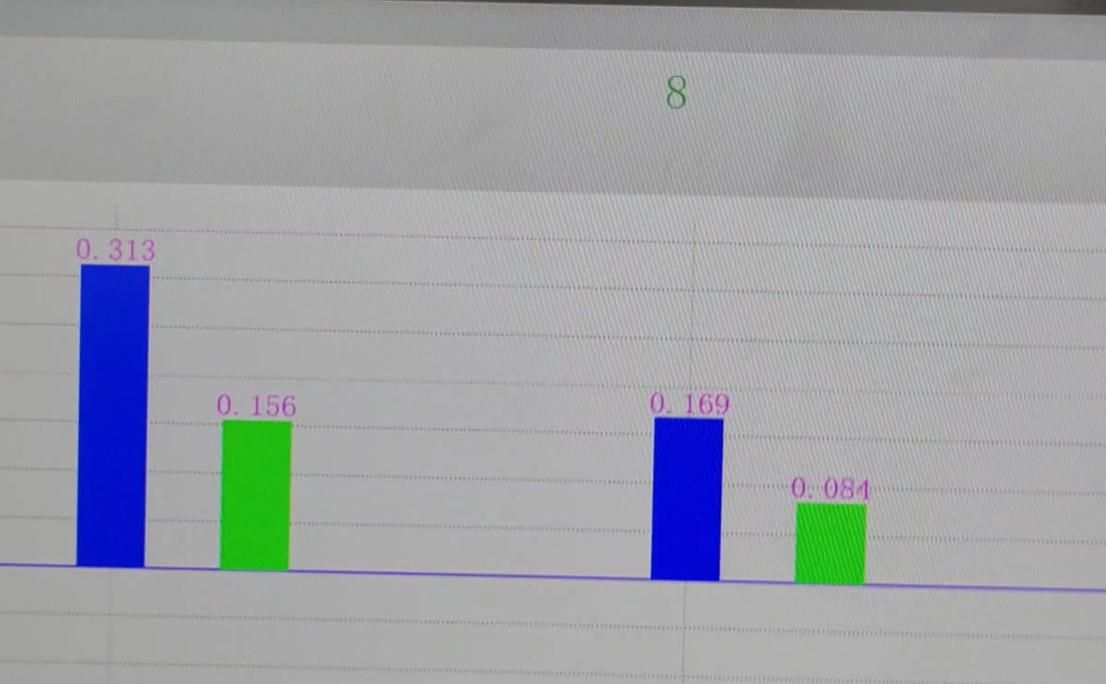
Then, based on that measurement, the controller calculates exactly where and how much to press. It applies force, rechecks, and makes small adjustments until it hits the target. The final result on that same shaft? 0.313 mm — right at the micron-level window we needed.
What the Operator Really Does
Once the system is dialed in, the operator’s job shifts from bending shafts to just watching the machine. You refill the feeder once in a while, check a part every 50 or 100 cycles with a manual indicator if you’re thorough, and that’s about it. No heavy lifting, no guesswork, no repetitive strain. One person can easily keep an eye on two or three of these cells at the same time.
Worth a Closer Look?
If you’re straightening small crankshafts and still doing it by hand, the 50-second cycle and <1 mm accuracy of this setup might surprise you. It’s not a massive, complex line — just a well-built frame press with smart measurement and a little automation on the loading side. We’ve been happy with the results, and we think you might be too. Feel free to get in touch with ShangDa if you’d like to see the machine in action or talk through your own straightening challenge.