Capacity and Cycle Parameters for Mixed-Material Straightening

I want to be clear about one thing: achievable straightness depends on your incoming raw material. On cold-drawn or ground bar, the press holds a tighter band than on hot-rolled stock. Below are the operating numbers I use when planning a new job. Setup time for a new section runs 30–45 minutes, including support position checks and loading the part model. Once saved, a recipe recalls in under 160 seconds.

60–800 t
Rated force range
2,500–6,000 mm
Max straightening length
8–20 s
Cycle per correction point
≤0.01 mm*
Best achievable deviation

*Value measured on precision cold-drawn bar or ground shaft with incoming straightness better than 0.1 mm per meter. Not a blanket guarantee for all materials.

Why Setup and Cycle Time Stay Predictable

Recipe-driven job changeover

I save each workpiece profile—section, length, support positions, target tolerance. The operator selects the job, and the press loads parameters automatically. New part setup typically takes 30–45 minutes; a stored recipe recalls in under 160 seconds. This removes the trial-and-error that used to eat the first hour of a shift.

Multi-point deflection measurement

The system measures deflection at three or more points along the part, not just at the center. Spring-back behaviour changes with material and section, so multi-point measurement reduces the number of correction loops needed. I have seen cycle counts drop by two or three loops on mixed batches.

Point-pressure straightening

The hydraulic cylinder applies controlled point pressure without sliding dies across the surface. I use this on finished shafts and plated parts because it avoids scratches and indentations. The press does not leave jaw marks, a common complaint on older mechanical straighteners.

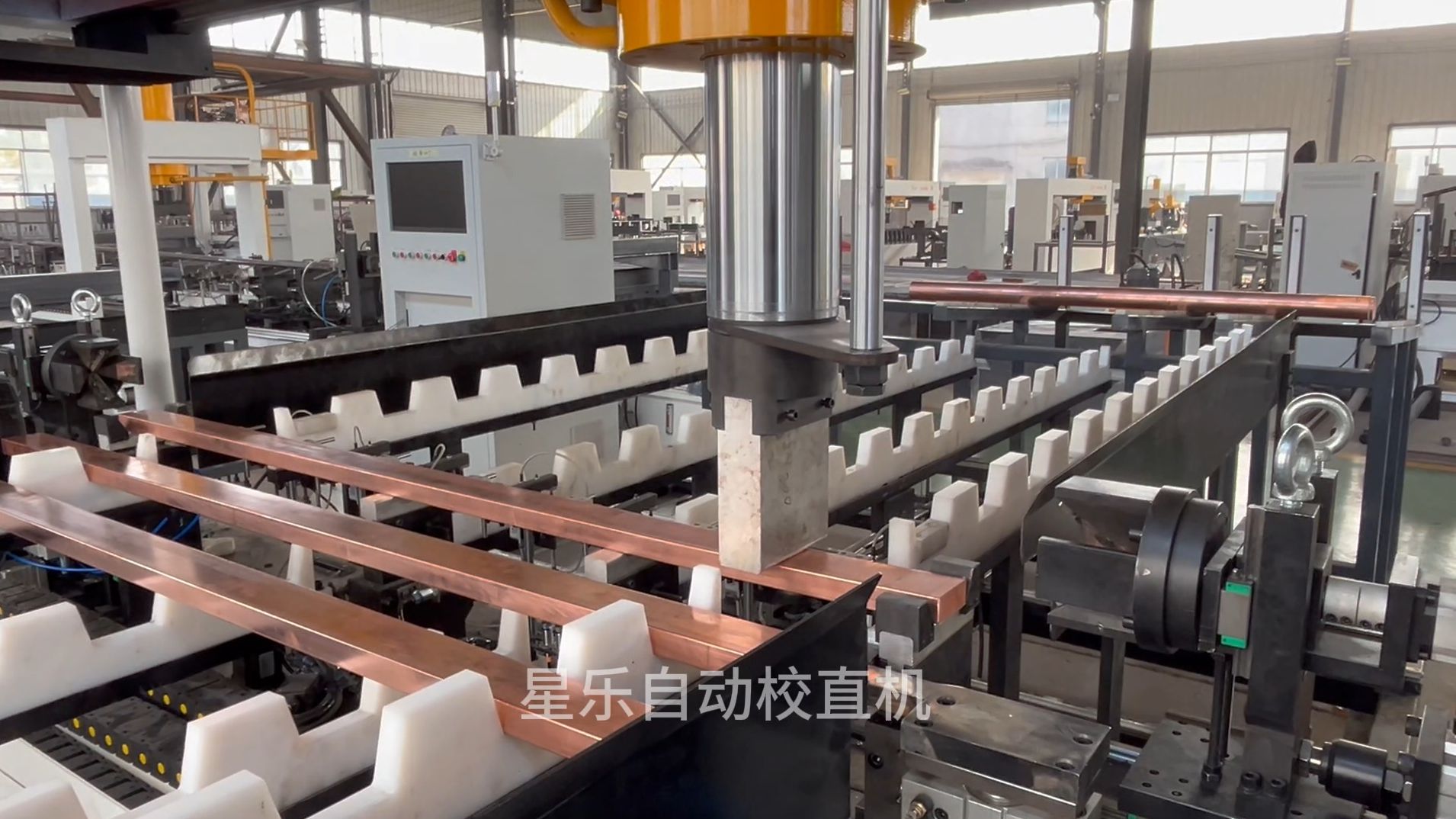
Square tube straightening setup
Square tube job
I-beam 100-ton straightening machine
I-beam, 100 t press
Hexagonal shaft 120-ton straightening
Hexagonal shaft, 120 t press
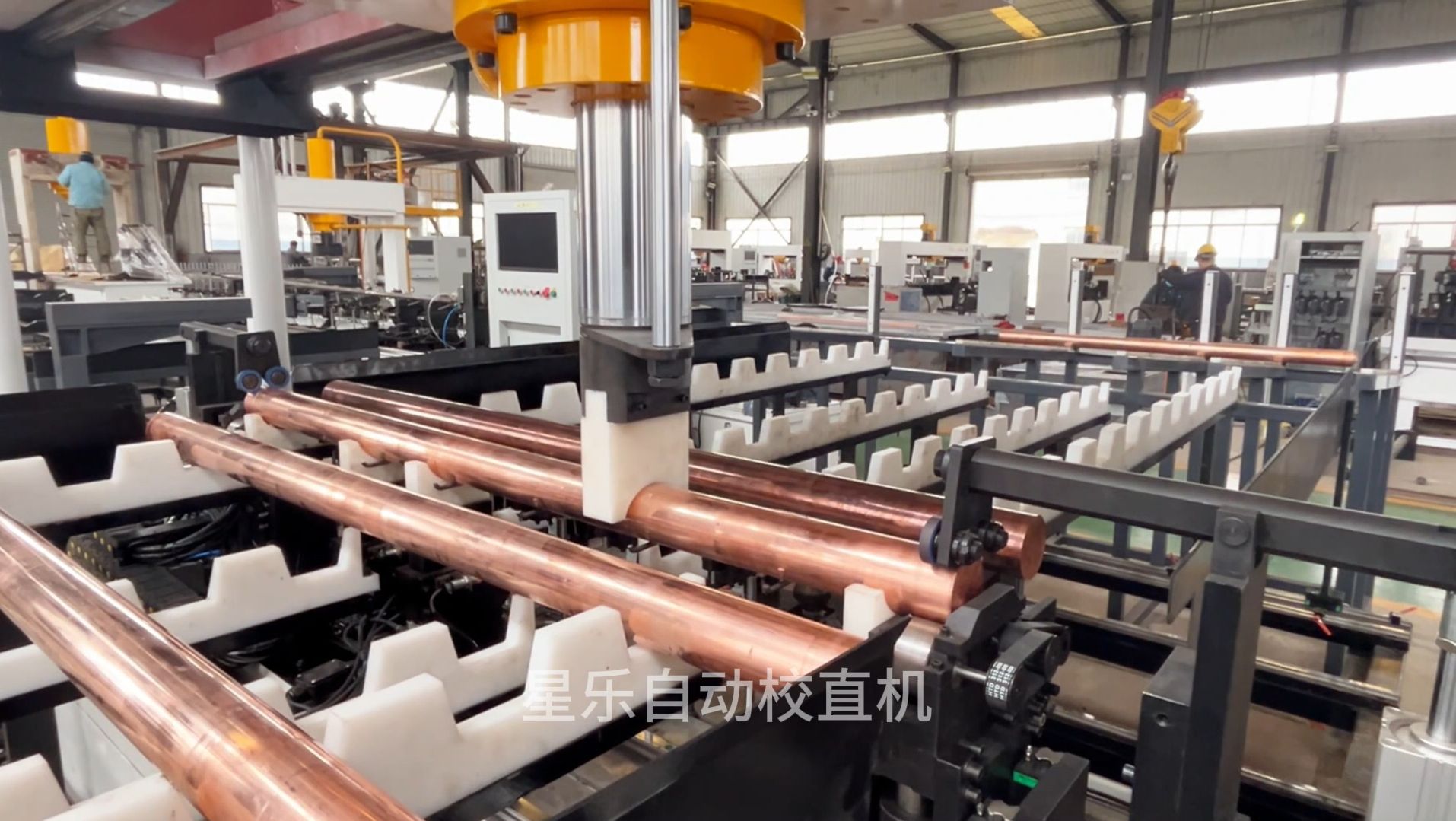
Round iron bar 800-ton straightening machine
Round bar, 800 t press

Standard Model Parameters

Parameter Value
Rated force 60 t / 100 t / 120 t / 150 t / 300 t / 800 t
Max straightening length 2,500 mm standard; extendable to 6,000 mm
Measurement method Multi-point laser or contact probe, online
Control system PLC with touchscreen HMI; optional MES interface
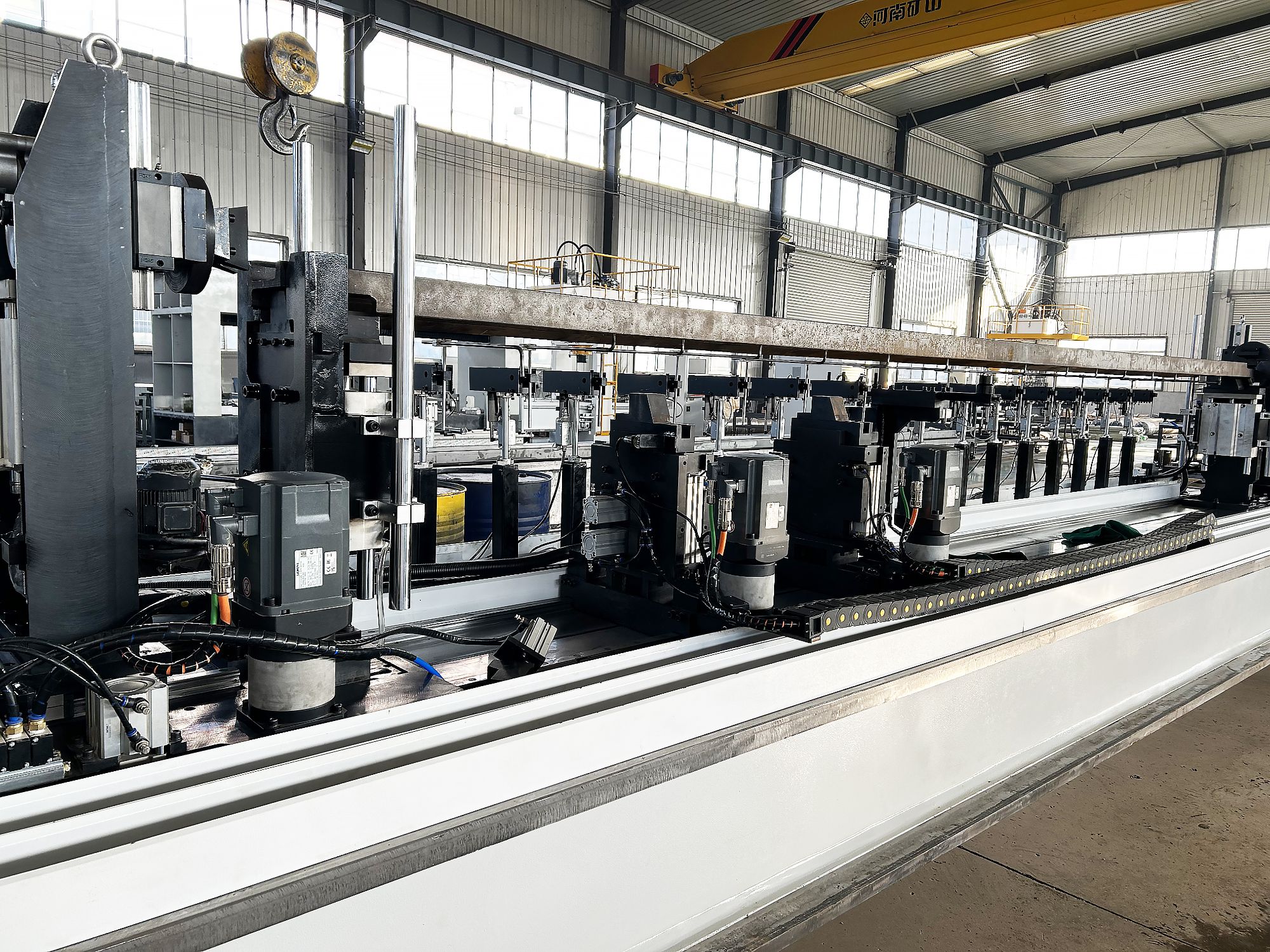
Hydraulic system Servo-driven pump, closed-loop pressure control
Cycle per point 8–20 s, depends on part length and number of measurement points
Power supply 380 V / 50 Hz, 3-phase; other voltages on request
Floor space From 2.5 m × 1.5 m up to 8 m × 3 m, model-dependent

Precision values listed in this table are best-case results on precision raw material. I do not quote a single tolerance for all incoming stock; the machine follows the straightness of the material you feed it. We calibrate the measurement system weekly and check hydraulic zero points every 2000 operating hours. Servo pump maintenance is standard—filter changes and fluid sampling, not a rebuild.

Where a General-Purpose Press Earns Its Floor Space

Job shops and heat treatment facilities see the most value here because they face mixed batches—different materials, sections, and straightness targets every day. A dedicated line machine sits idle too often. This press re-tools quickly and handles the variety without requiring a tooling change for each diameter. I have set it up for square tubes in the morning and short shafts in the afternoon, on the same machine.

Steel service centers: Straightening round bars, square tubes, flat stock before cutting.
Heat treatment shops: Correcting distortion after quenching on shafts, bars, and small forgings.
Maintenance and repair: Straightening shafts from pumps, gearboxes, and general machinery.
Automotive and general fabrication: Prototype runs and low-volume correction of shafts, pins, profiles.
Round tube straightening machine
Round tube straightening
Round tube 300-ton straightening press
Round tube, 300 t
150-ton steel pipe straightening
Steel pipe, 150 t
60-ton aluminum tube straightening machine
Aluminum tube, 60 t
Brass plate straightening machine
Brass plate
Brass bar automatic straightening press during pressing
Brass bar during press cycle
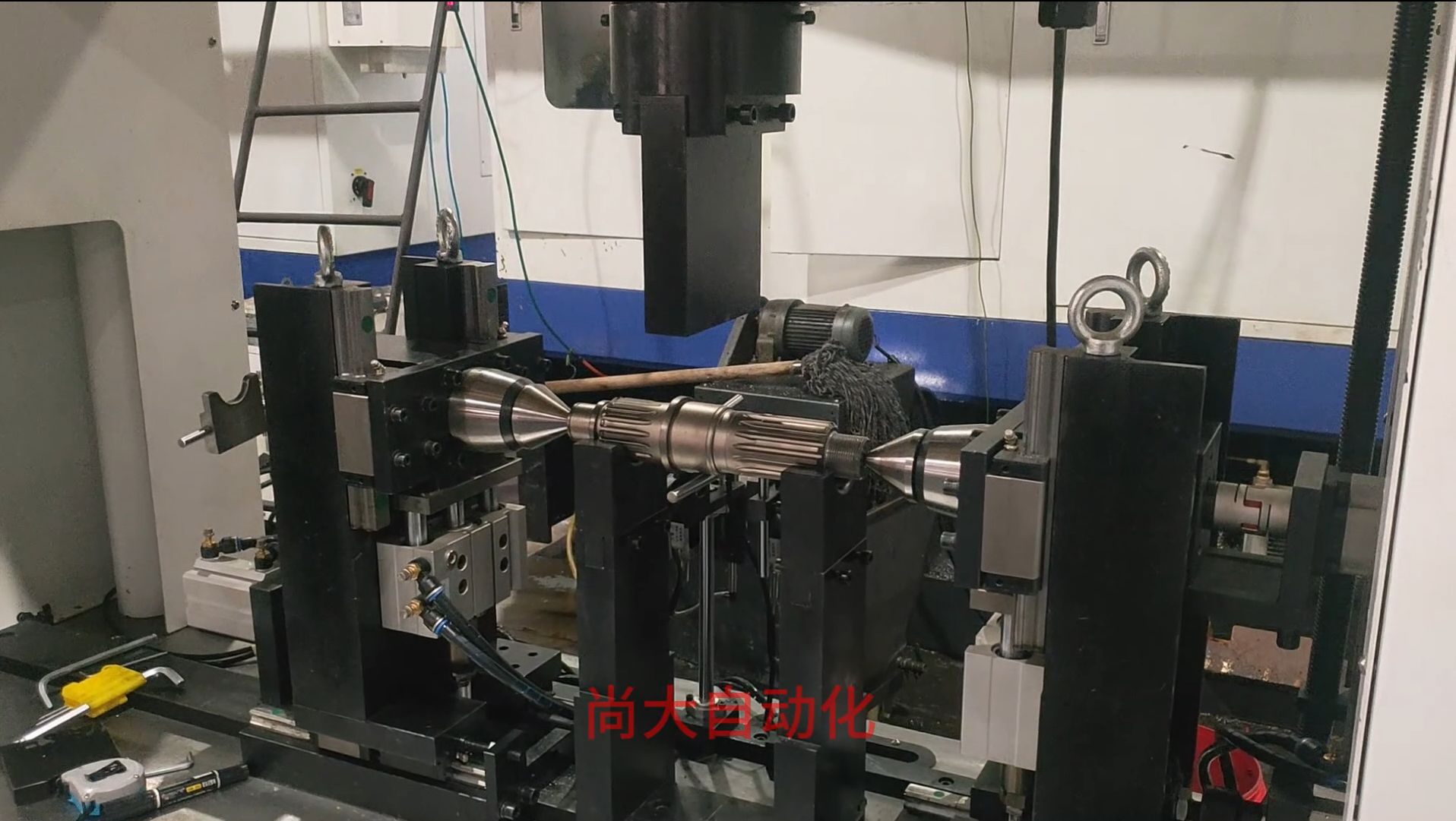
Short shaft with keyway straightening
Short shaft with keyway, after straightening

Send Your Workpiece Drawing and Current Tolerance

If your incoming material varies from batch to batch, I will tell you straight whether this press can hold the tolerance you need, and what raw material condition is required. We run sample tests on your parts before you commit. Send a drawing, current straightness deviation, and the target tolerance. You get a test report with measured before and after data.

Precision follows raw material

metal straightening press

8–20 s per correction point

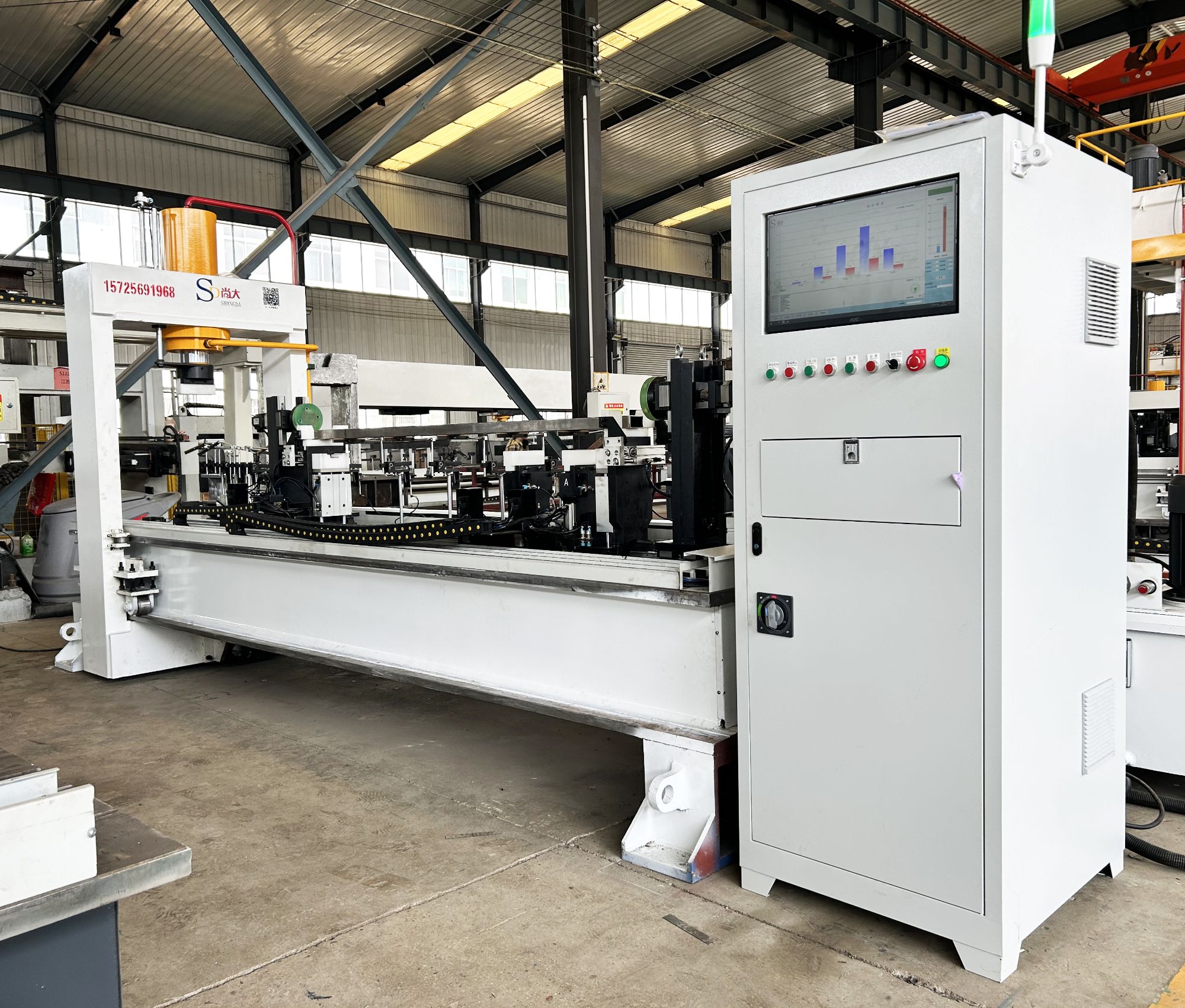
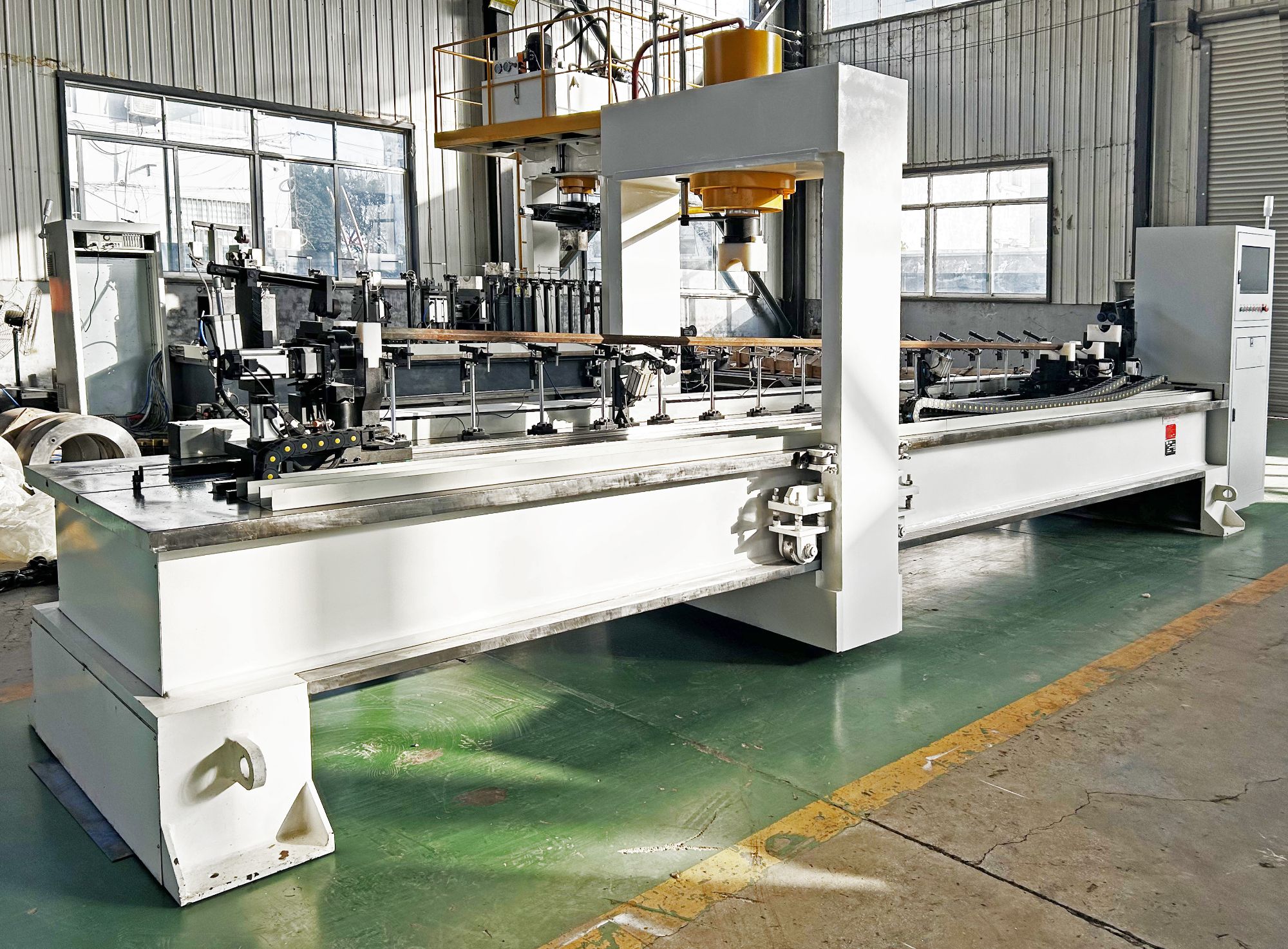
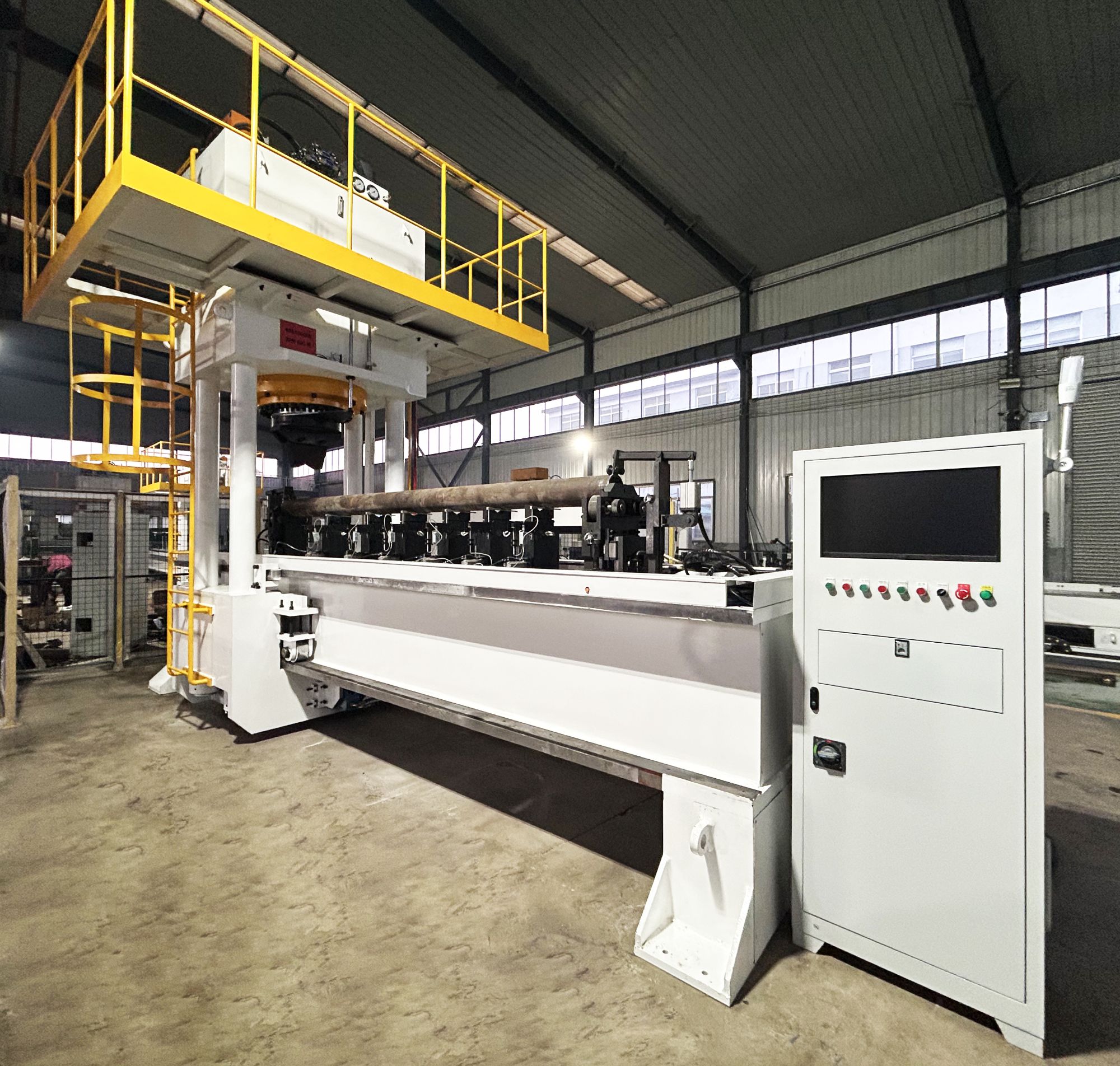
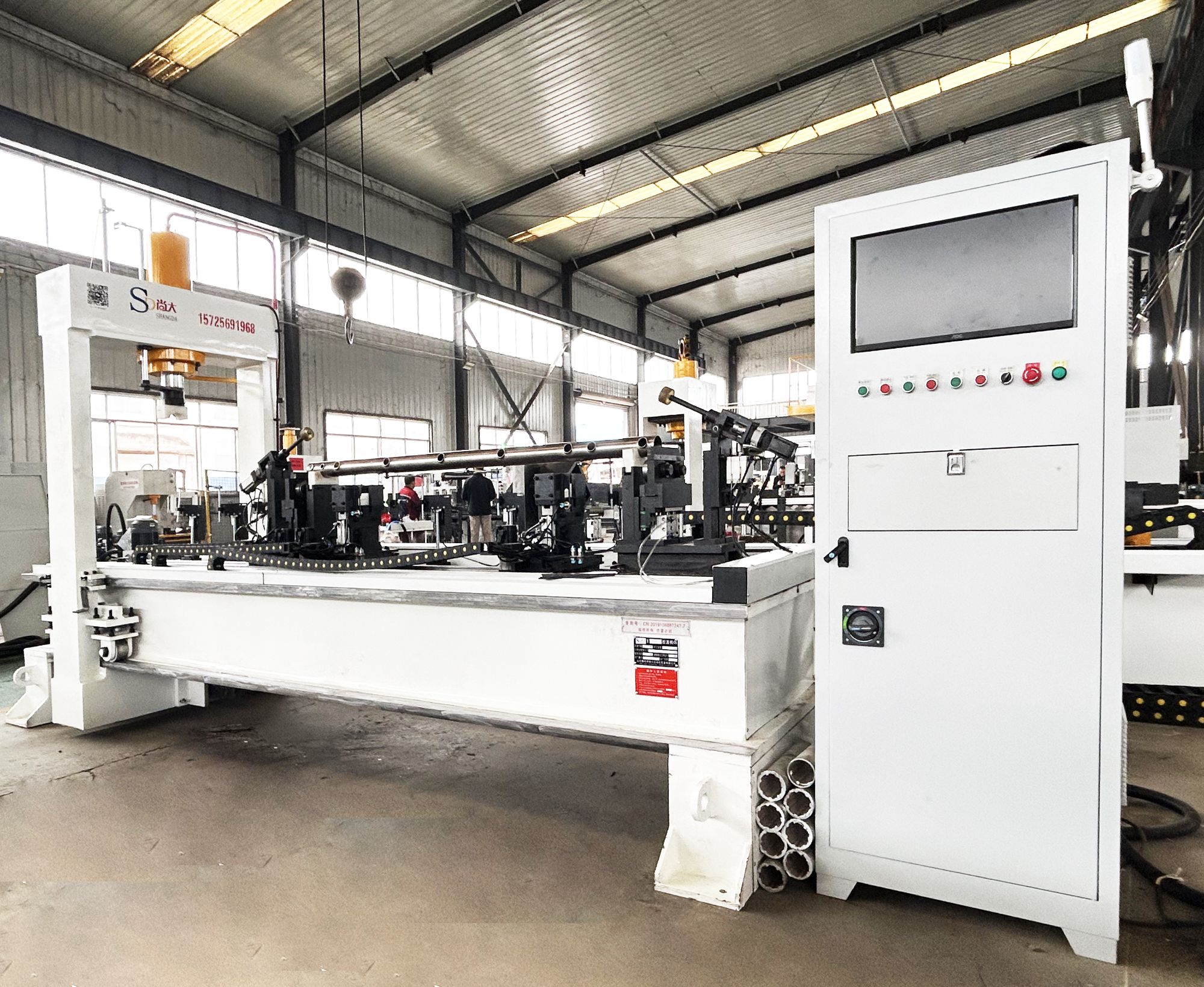
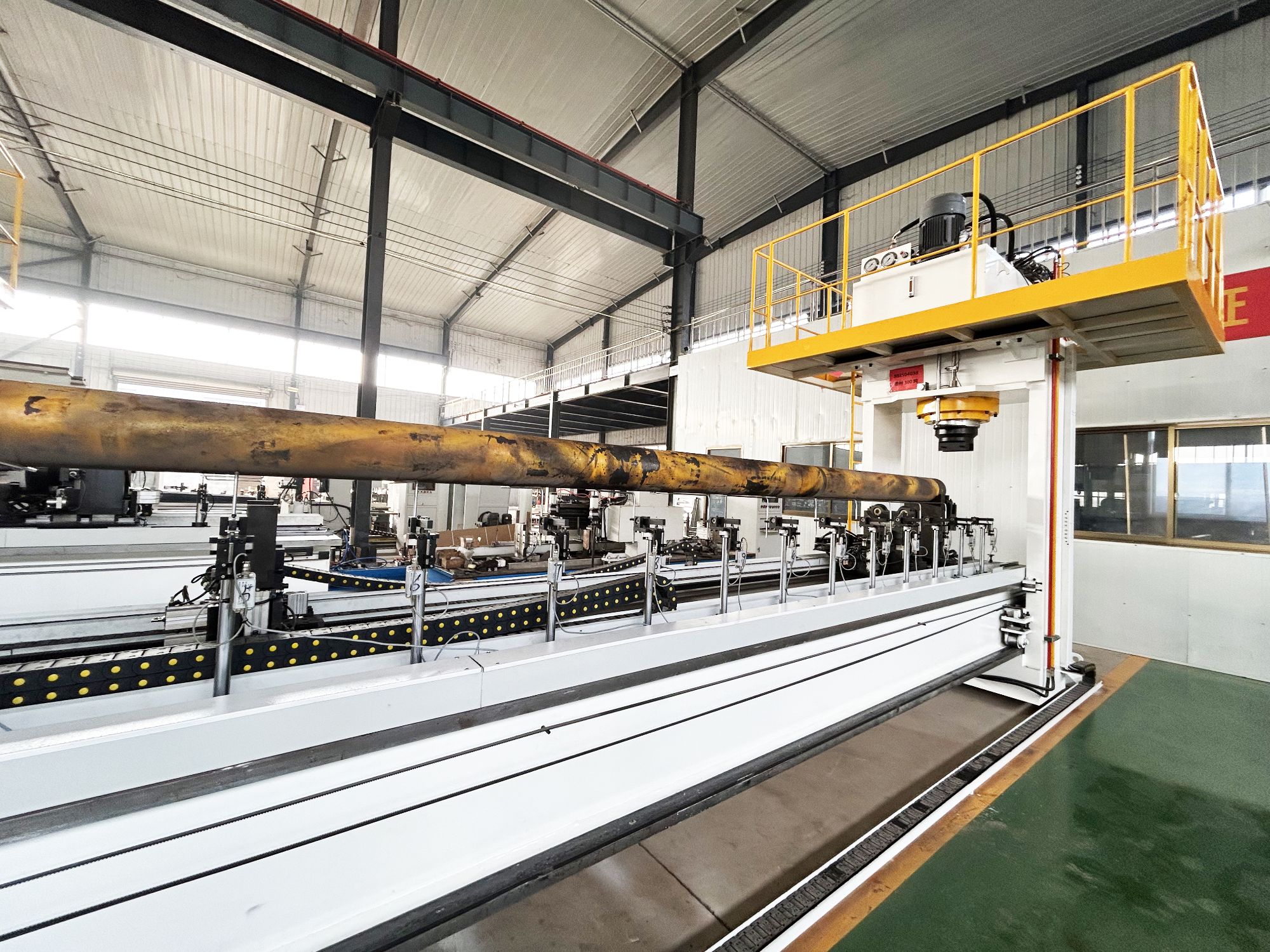
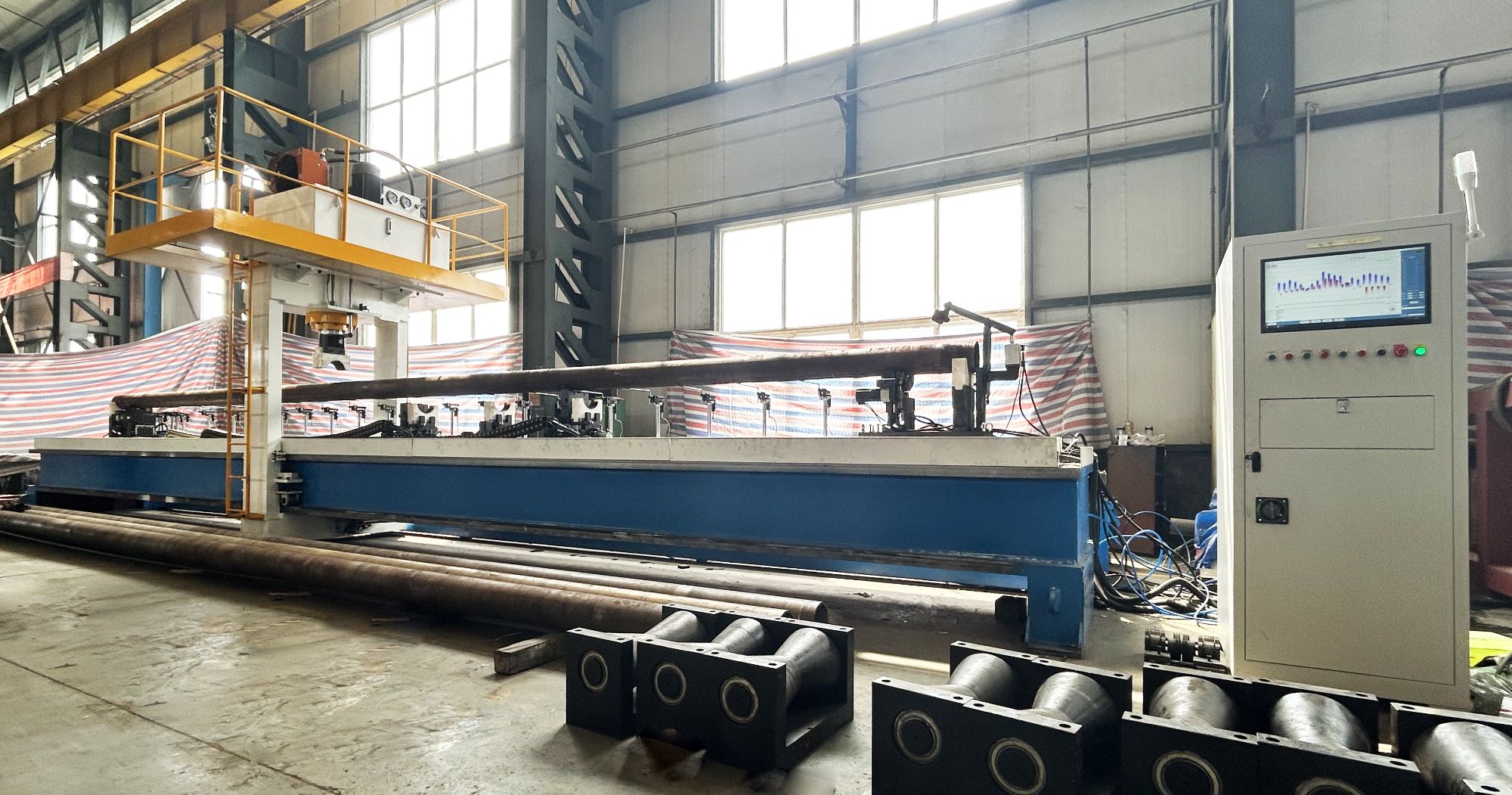
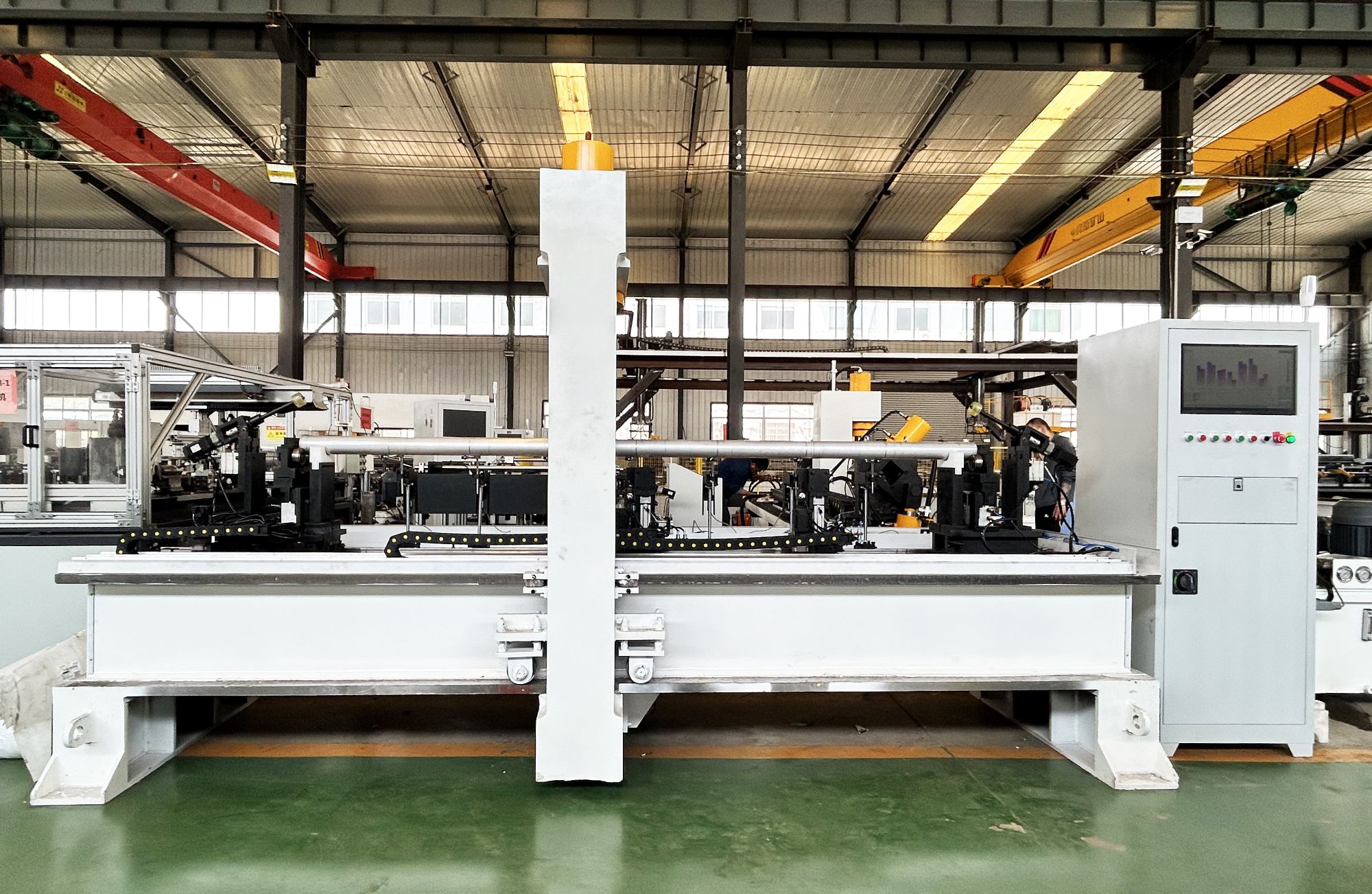
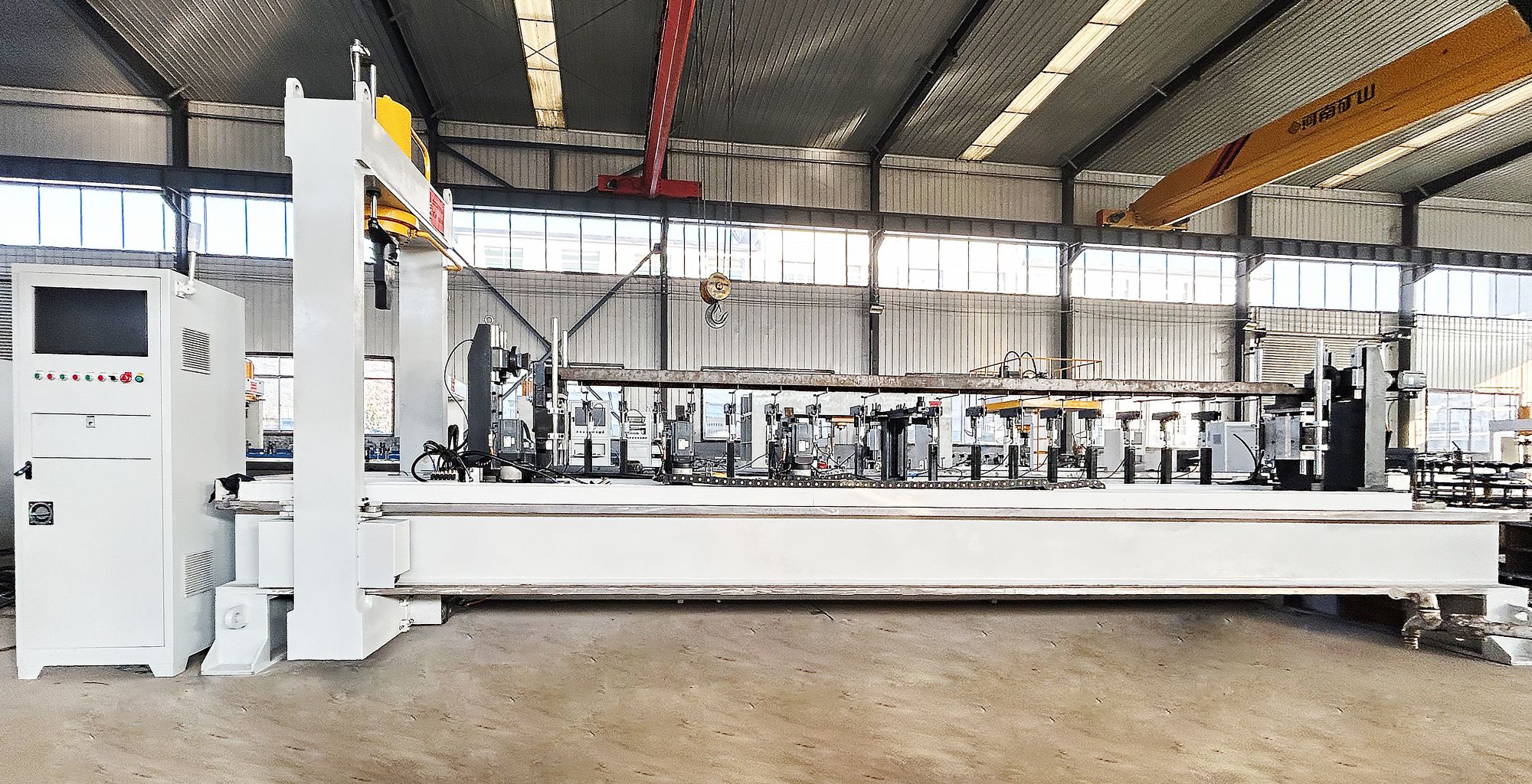
Shangda metal straightening press corrects bow, twist, and ovality in bars, tubes, profiles, and short shafts. I set the target tolerance on the touchscreen, the system measures actual deflection, and the hydraulic cylinder applies controlled point pressure. The final straightness depends on your incoming material—better input stock, better output. Setup is recipe-driven, so changing from one section to another takes less time than the old manual method. The control system records each correction point and can export data for your quality records.

Shangda metal straightening press main product view

Request a Quote

Interested in دھات سیدھا کرنے والا پریس? Fill out the form below and our team will get back to you within 24 hours.

Your information is kept confidential. We typically respond within 24 hours.