Automotive Drivetrain Workpieces That Run Through This Machine

Automotive axle production punishes straightening equipment in ways a general-purpose press never sees. Driveshafts, half-shafts, pinion shafts, and crankshafts come out of heat treatment with runout that changes from batch to batch. You need correction that holds tolerance without marking bearing journals, splines, or flange faces. We see this machine used most often on high-volume lines for passenger-vehicle half-shafts and commercial truck axle shafts, where one operator oversees several cells and scrap from a missed spring-back erases a shift's margin. The four application photos below show the workpiece types and loading patterns we have commissioned in automotive plants.

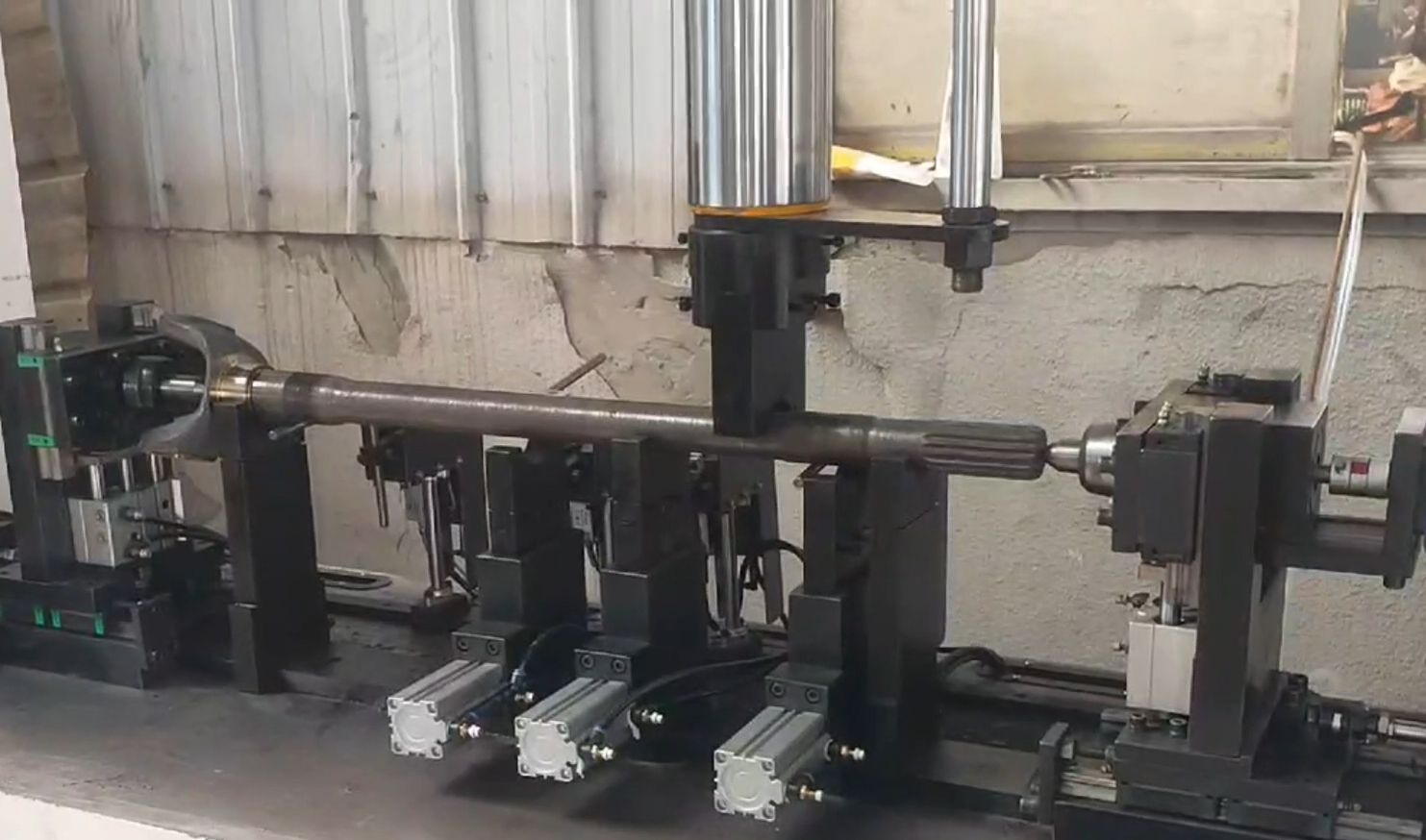
Automotive drive shaft being straightened after heat treatment
Passenger-vehicle drive shaft straightening after heat treatment
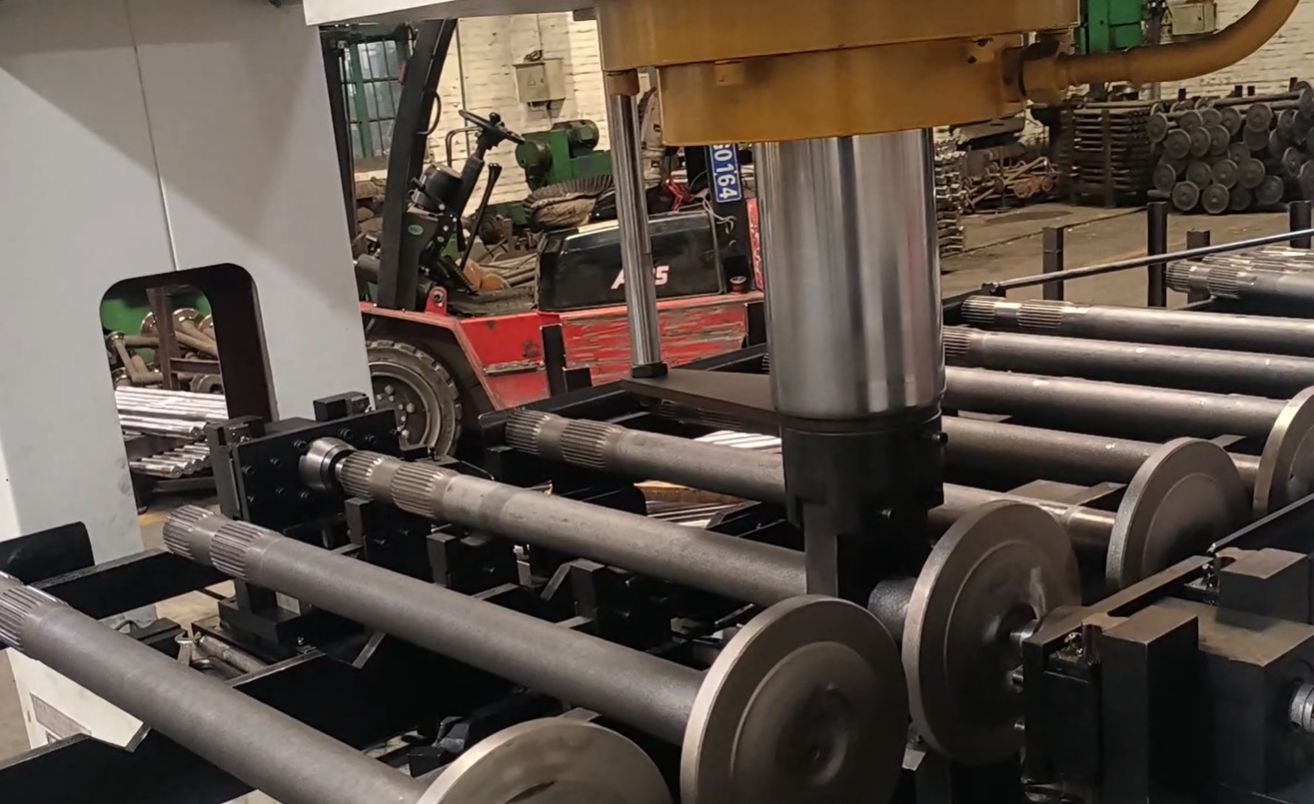
Automotive half-shaft straightening cell with automatic loading and unloading
Half-shaft straightening cell with automatic loading and unloading
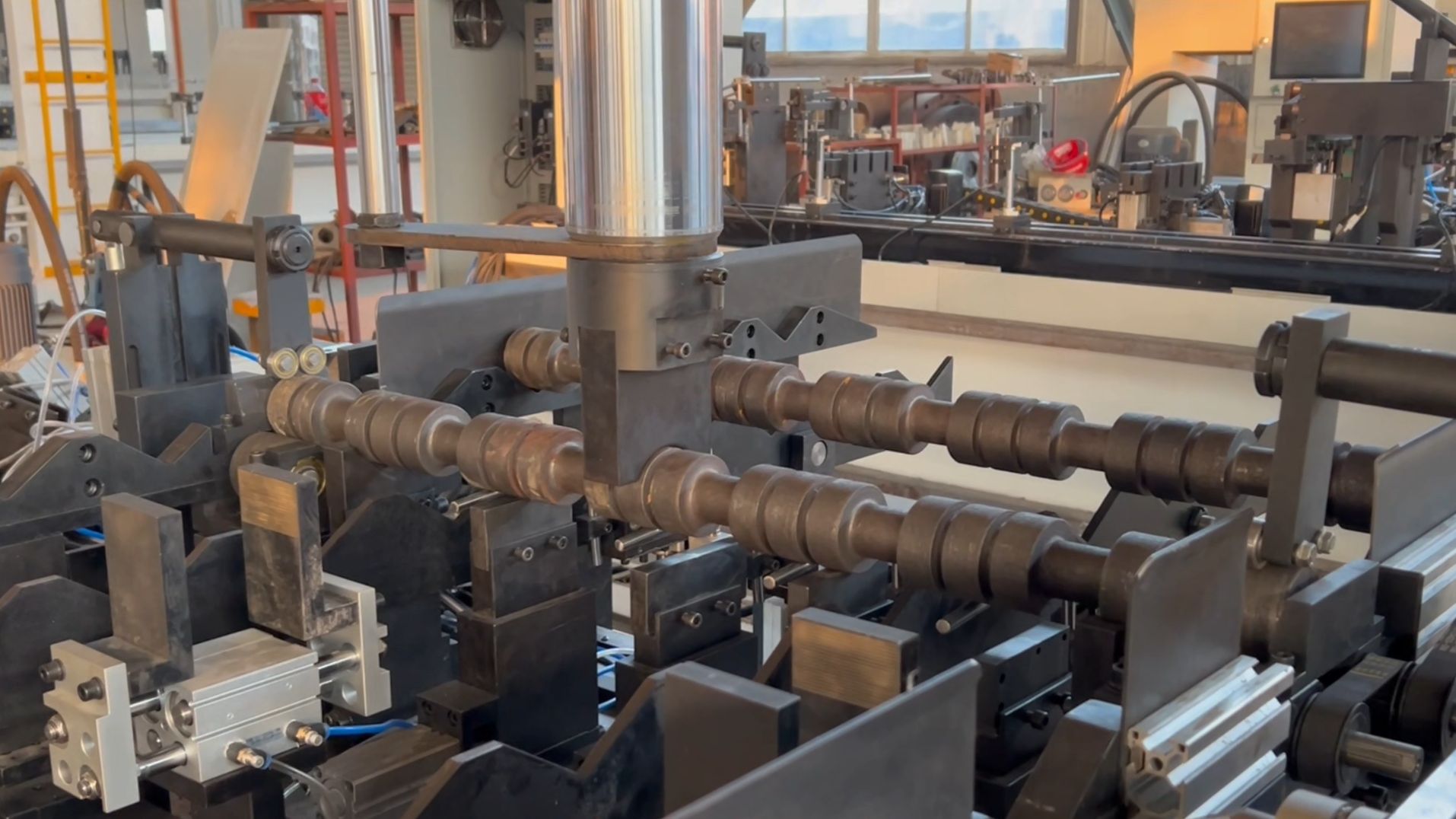
Lobed axle shaft feeding into straightening station without operator handling
Lobed axle shaft straightening station with automatic feed, no manual loading
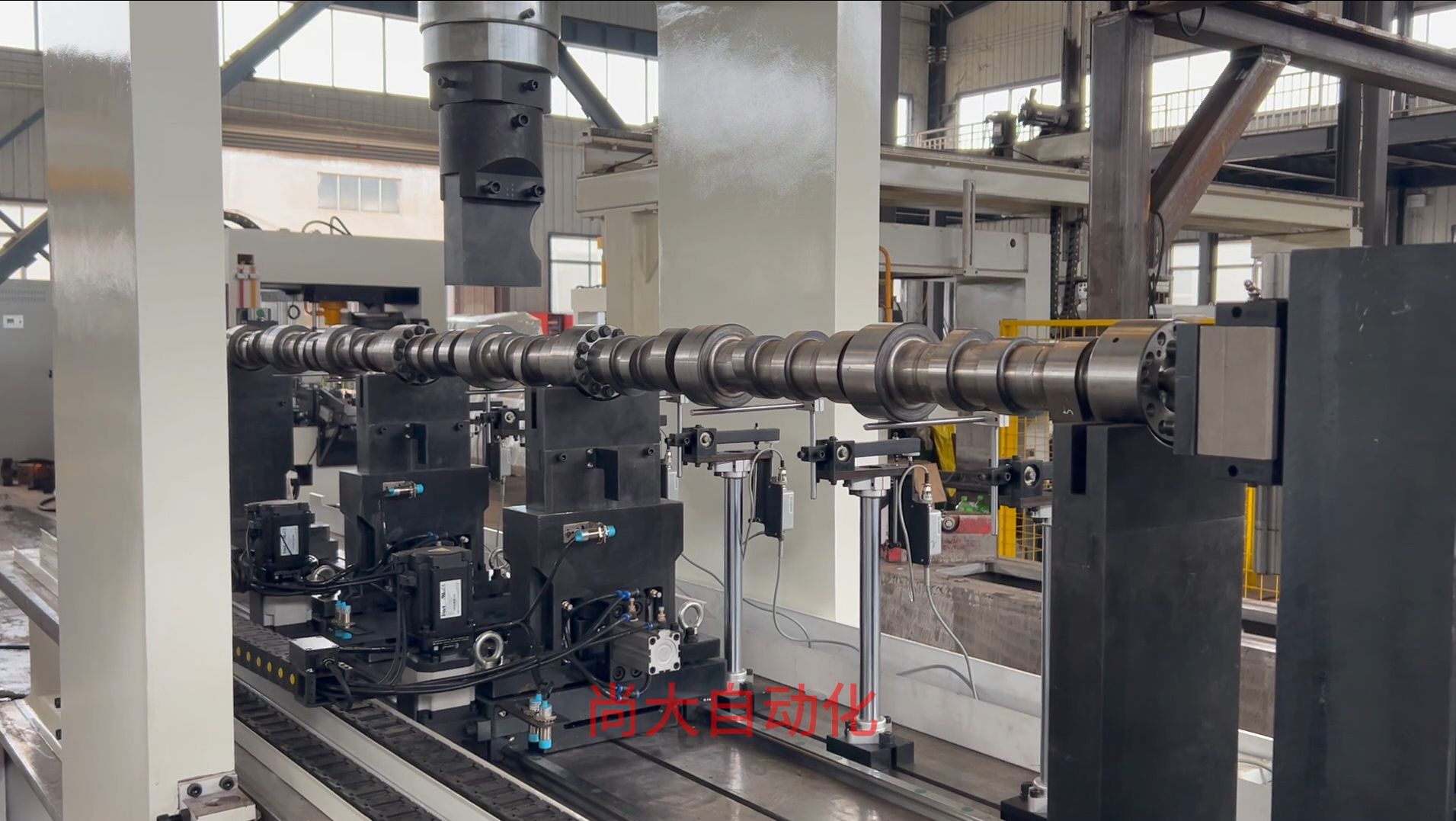
Large crankshaft supported at multiple journals during straightening

Typical automotive drivetrain parts: axle shafts, half-shafts, transmission input and output shafts, electric drive motor shafts, crankshafts, and hollow lightweight shafts for NEV platforms.

Send Us Your Worst Axle Runout Data

If your current line is chasing spring-back after heat treatment, send us 10–20 pieces with your target straightness. We run a sample test on the automotive axle straightener, send you the measurement report, and tell you the cycle time we hit. No press salesman talk; you get the actual straightness curve from our laser test bench.

High-volume automotive drivetrain straightening

Axle Straightening Machine

±0.01 mm

closed-loop straightening accuracy

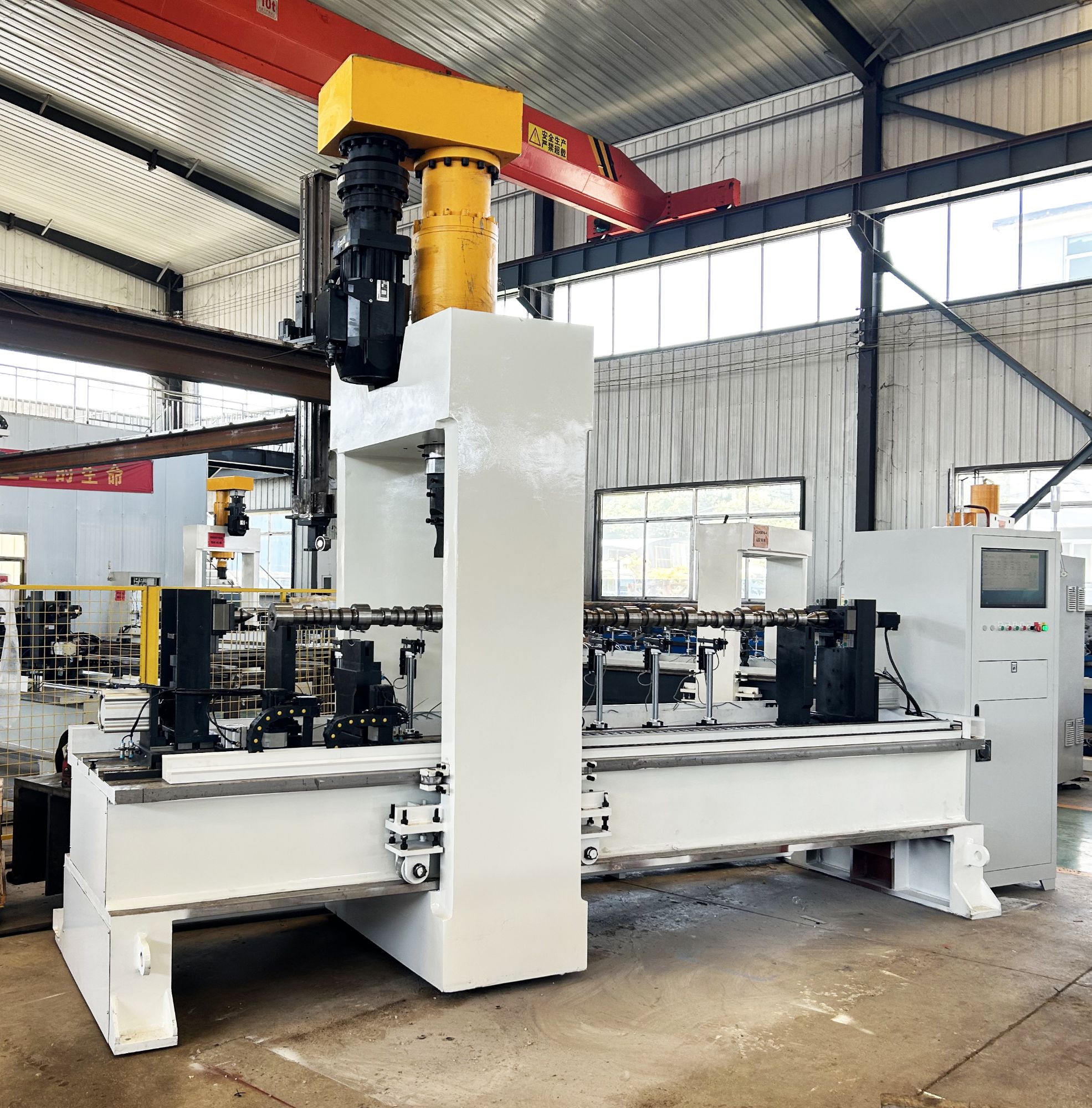
For automotive axle and shaft production, this machine corrects heat-treatment distortion on drivetrain components with multi-point measurement and servo-hydraulic point-pressure straightening. The system loads, checks runout, applies correction, and re-measures automatically — without scratching journals or leaving press marks. It is built for the speeds and tolerance bands of passenger-vehicle, commercial-vehicle, and electric-drive axle lines, not for job-shop batches.

3–5× manual straightening speed
24/7 unattended operation
1 operator, multiple machines
Automotive axle straightening machine with automatic loading table and touchscreen control

Axle Straightening Envelope & Cycle Data

These are the parameters that matter when you are running 1,500 shafts per shift. The machine is configured around your workpiece family, but the baseline stays the same: closed-loop correction, automatic handling, and no marks on the part.

0.01 mm
Straightening accuracy
3–5×
Throughput vs manual operation
45–90 s
Typical cycle per shaft
3–5
Runout measuring points
300–1,500 mm
Standard workpiece length
15–80 mm
Workpiece diameter range
24/7
Unattended operation
1 operator
Multiple machine supervision

Why This Machine Holds ±0.01mm on a 3-Shift Line

Multi-point closed-loop correction

The spindle rotates the shaft, probes measure runout at several positions, and the AI correction model computes the point-pressure stroke before the ram moves. Because the system re-measures after each correction, spring-back is caught and corrected in the same cycle, not discovered at final inspection.

Point-pressure straightening without marking

The ram works on the high point only, with a controlled force envelope. Bearing journals, splines, and seal surfaces stay clean. No unplanned polishing or rework after straightening.

Automatic loading and unloading for high mix

Gantry or robot interfaces pick raw parts, place them between centers, and remove finished shafts without operator touch. Batch changeover is a recipe select plus fixture set, usually under 20 minutes for similar shaft families.

AI self-learning and MES connectivity

The controller logs every correction and runout trace. Over 2,000 parts, the model learns which deflection vectors respond fastest for your material and geometry. That data passes to your MES/ERP so you can trace rejects and tool wear by shift.

QASS crack detection option

The machine can integrate Germany's QASS crack detection, so a micro-crack triggered during correction is flagged before the part ships. You are not straightening good parts into bad ones.

Built for continuous production

Servo-hydraulic actuators, oil cooling, and linear guides sized for 3-shift operation. Calibration with a master shaft takes under 15 minutes at shift start, and the system warns you if ambient temperature drift affects measurements.

Configured Technical Parameters for Drivetrain Straightening

Straightening accuracy ±0.01 mm, verified by laser measurement
Straightening method Servo-hydraulic point-pressure, multi-point closed-loop
Typical cycle time 45–90 seconds per shaft depending on runout and cross-section
Standard workpiece length 300–1,500 mm; longer configurations on request
Standard workpiece diameter 15–80 mm; larger diameters on request
Material scope Induction-hardened, carburized, micro-alloyed steel; solid and hollow shafts
Loading / unloading Automatic gantry or robot interface with reject chute
Control system Shangda AI self-learning CNC with MES/ERP connectivity
Operator requirement 1 operator for multiple machines; 24/7 unmanned operation
Crack detection Optional QASS integration from Germany
Quality system ISO 9001 factory quality system; CE-compliant electrical and safety circuits
Typical cell footprint Approximately 4.5 m × 3.0 m; configured per automation level
Power supply 380 V, 3-phase; hydraulic power pack sized per application
Maintenance interval Hydraulic oil analysis every 2,000 hours; guide lubrication monthly

Because axle shaft geometry varies between front and rear axles, solid and hollow shafts, and new energy vehicle rotor shafts, the final configuration is based on a free sample test with your prints and runout data.

Request a Quote

Interested in ایکسل سیدھا کرنے کی مشین? Fill out the form below and our team will get back to you within 24 hours.

Your information is kept confidential. We typically respond within 24 hours.