
ทำไมเหล็ก 4140 จึงเคลื่อนตัวหลังการอบชุบด้วยความร้อน
เมื่อเพลาหรือแท่งเหล็ก 4140 ที่ผ่านการกลึงแล้วออกมาจากกระบวนการอบชุบด้วยความร้อนโดยมีความโค้งงอที่มองเห็นได้ เป็นเรื่องง่ายที่จะโทษขั้นตอนการชุบแข็ง ผมเคยเห็นโรงงานทิ้งชิ้นงานที่ดีเพราะไม่มีใครแยกแยะสาเหตุ ความจริงก็คือการบิดเบี้ยวมักเกิดจากหลายปัจจัยรวมกันเสมอ ไม่ว่าจะเป็นความลาดชันของอุณหภูมิ ความเครียดจากการเปลี่ยนแปลงเฟส ความเค้นตกค้างจากการกลึงหรือการตีขึ้นรูป และลักษณะการวางชิ้นงานระหว่างการให้ความร้อนและทำความเย็น เมื่อคุณมองออกว่าปัจจัยใดมีอิทธิพลมากที่สุด คุณก็จะตัดสินใจได้ว่าควรป้องกันอะไรในกระบวนการ และควรแก้ไขอะไรหลังการเทมเปอร์
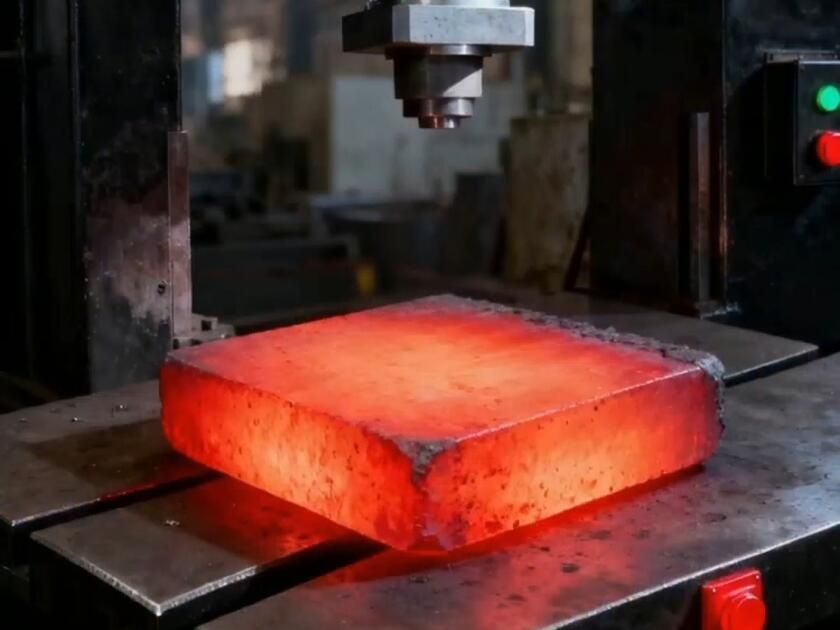
เหล็ก 4140 เป็นเหล็กกล้าคาร์บอนปานกลางผสมโครเมียม-โมลิบดีนัม ซึ่งสามารถชุบแข็งได้ลึกในน้ำมันหรือโพลิเมอร์ ความสามารถในการชุบแข็งนี้มีประโยชน์สำหรับเพลา เกียร์ และเครื่องมือ แต่ก็หมายความว่าชิ้นส่วนต่าง ๆ ในหน้าตัดเดียวกันสามารถเปลี่ยนเฟสได้ในเวลาที่แตกต่างกันมาก ความไม่สอดคล้องกันนี้เป็นหนึ่งในสาเหตุใหญ่ที่สุดที่ทำให้ชิ้นงานเคลื่อนตัว
สี่สาเหตุทางกระบวนการที่ทำให้เหล็ก 4140 บิดเบี้ยวหลังการอบชุบ
คุณสามารถแบ่งสาเหตุหลัก ๆ ออกเป็นสี่กลุ่ม
1. ความลาดชันของอุณหภูมิระหว่างการให้ความร้อนและการชุบแข็ง
เมื่อแท่งเหล็กยาวได้รับความร้อน ภายนอกจะขยายตัวเร็วกว่าศูนย์กลาง ในระหว่างการชุบแข็ง พื้นผิวจะหดตัวและเย็นตัวลงในขณะที่แกนกลางยังร้อนอยู่ หากการระบายความร้อนเร็วกว่าที่ด้านหนึ่ง ชิ้นงานจะโค้งงอไปทางด้านที่เย็นตัวช้ากว่า การรองรับแท่งเหล็กยาวที่จุดน้อยเกินไปหรือวางไม่สม่ำเสมอในตะกร้าจะทำให้ปัญหานี้แย่ลงอย่างมาก
2. อัตราการเย็นตัวและการเปลี่ยนแปลงเฟส
ในระหว่างการชุบแข็ง พื้นผิวจะเย็นตัวเร็วกว่าแกนกลาง ในเหล็ก 4140 บริเวณที่เย็นตัวเร็วกว่าสามารถเปลี่ยนเป็นมาร์เทนไซต์ได้ ในขณะที่บริเวณที่เย็นตัวช้ากว่าจะเกิดเป็นเบนไนต์หรือเพิร์ลไลต์ ผลิตภัณฑ์จากการเปลี่ยนแปลงเฟสแต่ละชนิดมีปริมาตรจำเพาะต่างกัน และก่อตัวในเวลาที่ต่างกัน บริเวณหนึ่งอาจกำลังขยายตัวในขณะที่อีกบริเวณหนึ่งยังหดตัวอยู่ ความเครียดเฉพาะจุดนั้นก่อให้เกิดการโก่งงอ และบางครั้งก็เกิดการบิด โดยเฉพาะในเพลาที่มีเส้นผ่านศูนย์กลางเป็นขั้น ๆ หรือชิ้นงานที่มีรูและร่องลิ่ม
3. ความเค้นตกค้างจากกระบวนการก่อนหน้า
แม้ก่อนการอบชุบด้วยความร้อน แท่งเหล็กก็มีความเค้นตกค้างจากการรีด การตีขึ้นรูป การยืดตรง หรือการกลึงหยาบ การให้ความร้อนจะปลดปล่อยความเค้นบางส่วนออกอย่างไม่สม่ำเสมอ เพลาที่ดูตรงหลังการกลึงอาจเคลื่อนตัวระหว่างการชุบแข็งเพียงเพราะวัสดุมีโอกาสได้คลายตัวไปสู่รูปร่างที่มีความเค้นต่ำลงในที่สุด
4. รูปทรงและการยึดจับ
หน้าตัดที่ไม่สมมาตร รู ร่องลิ่ม และการเปลี่ยนแปลงขนาดเป็นขั้น ๆ จะเปลี่ยนลักษณะการไหลของความร้อน หากชิ้นงานถูกยึดจับแข็งเกินไป มันจะไม่สามารถเคลื่อนตัวได้ในขณะที่ความเค้นสะสม และจะดีดตัวทันทีเมื่อปลดที่จับยึดออก หากวางซ้อนกันหรือรองรับไม่ดี แรงโน้มถ่วงและจุดสัมผัสจะเพิ่มความเค้นเฉพาะจุด ชิ้นงานยาวมีความอ่อนไหวต่อระยะห่างของจุดรองรับเป็นพิเศษ
การป้องกันที่กระบวนการ vs การแก้ไขหลังกระบวนการ
มีสองวิธีที่แยกจากกันในการจัดการกับการบิดเบี้ยวของเหล็ก 4140 คุณสามารถลดมันก่อนและระหว่างการอบชุบด้วยความร้อน หรือคุณสามารถแก้ไขความโค้งงอที่เหลืออยู่หลังการเทมเปอร์ ทั้งสองวิธีไม่สามารถใช้แทนกันได้
| แนวทาง | สิ่งที่ทำ | ข้อจำกัดหลัก |
|---|---|---|
| การนอร์มาไลซ์หรือการคลายความเค้นก่อนการชุบแข็ง | ลดความเค้นตกค้างเดิมจากการตีขึ้นรูปหรือการกลึงหยาบ | ไม่สามารถหักล้างการโก่งงอที่เกิดจากการชุบแข็งได้ |
| การให้ความร้อนแบบควบคุมและการชุบแข็งที่ช้าลง | ลดความลาดชันของอุณหภูมิและความไม่สอดคล้องของการเปลี่ยนแปลงเฟส | อาจลดความแข็งหรือความสามารถในการชุบแข็งหากทำมากเกินไป |
| การออกแบบฟิกซ์เจอร์และจุดรองรับ | รักษาทิศทางของชิ้นงานและระยะห่างของจุดรองรับให้สม่ำเสมอ | ไม่สามารถชดเชยหน้าตัดที่มีความไม่สม่ำเสมอสูงได้อย่างเต็มที่ |
| การยืดตรงหลังการเทมเปอร์ | แก้ไขความโค้งงอตกค้างหลังจากกระบวนการได้ปลดปล่อยความเค้นแล้ว | เพิ่มความเค้นใหม่และต้องใช้แรงที่ควบคุมได้ |
ขั้นตอนการป้องกันนั้นคุ้มค่ากับเวลา แต่ก็มีข้อจำกัดในทางปฏิบัติ สำหรับชิ้นงานที่ยาวและเรียว ปริมาณความโค้งงอตกค้างจำนวนหนึ่งอาจยังคงอยู่แม้จะควบคุมกระบวนการอย่างระมัดระวังแล้ว ความโค้งงอที่เหลืออยู่นี้คือจุดที่การยืดตรงกลายเป็นขั้นตอนการแก้ไขที่สมเหตุสมผล ไม่ใช่แค่การปะผุ
การยืดตรงเหมาะสมเมื่อใด — และเมื่อใดไม่เหมาะสม
หากการปรับปรุงกระบวนการของคุณยังทำให้เกิดความโค้งงอตกค้าง การยืดตรงสามารถเป็นขั้นตอนการแก้ไขที่ใช้งานได้จริง แต่ไม่ใช่ทางออกสากลสำหรับทุกปัญหา ผมมองว่ามันเป็นเส้นแบ่ง ไม่ใช่สิ่งทดแทนการควบคุมกระบวนการอบชุบ
- การยืดตรงมักใช้ได้ผลกับเหล็ก 4140 หลังการเทมเปอร์ เมื่อความแข็งยังอยู่ในระดับที่ใช้งานได้และชิ้นงานมีความเหนียวอยู่บ้าง
- มันใช้ได้ดีกับแท่งเหล็ก เพลา ท่อ และรูปทรงสมมาตรที่มีความโค้งงอสม่ำเสมอ
- มันเหมาะสมน้อยกว่าสำหรับมาร์เทนไซต์ที่แข็งมากและยังไม่ได้เทมเปอร์ หรือชิ้นงานที่มีรอยบากคมซึ่งอาจแตกได้ภายใต้แรงกด
- คุณควรตรวจหารอยแตกร้าวหลังการยืดตรง โดยเฉพาะบนชิ้นงานที่มีความแข็งสูงหรือชิ้นงานที่มีความเค้นตกค้างสูง
การยืดตรงด้วยมือสามารถจัดการได้ไม่กี่ชิ้น แต่ความสามารถในการทำซ้ำจะด้อยลง นั่นคือจุดที่การยืดตรงด้วยระบบไฮดรอลิกอัตโนมัติเข้ามามีบทบาท
การยืดตรงด้วยระบบไฮดรอลิกอัตโนมัติสำหรับการแก้ไขหลังการอบชุบซ้ำ ๆ
เมื่อคุณต้องแก้ความโค้งให้กับแท่งเหล็ก 4140 หรือท่อหลายร้อยชิ้นหลังการอบชุบด้วยความร้อน การยืดตรงด้วยแท่นกดแบบแมนนวลจะกลายเป็นจุดคอขวด ผู้ปฏิบัติงานต้องกด ตรวจสอบ กดใหม่ และผลลัพธ์ก็ขึ้นอยู่กับว่าใครเป็นคนทำ สายการยืดตรงด้วยระบบไฮดรอลิกอัตโนมัติเปลี่ยนสิ่งนั้น เครื่องจักรจะโหลดชิ้นงาน วัดค่าการหมุนเยื้องศูนย์ที่หลายจุด คำนวณจุดสูงสุด กดด้วยระยะชักที่ควบคุมได้ แล้ววัดซ้ำ ทำเช่นนี้ไปเรื่อย ๆ จนกว่าชิ้นงานจะอยู่ในเกณฑ์พิกัดความเผื่อ
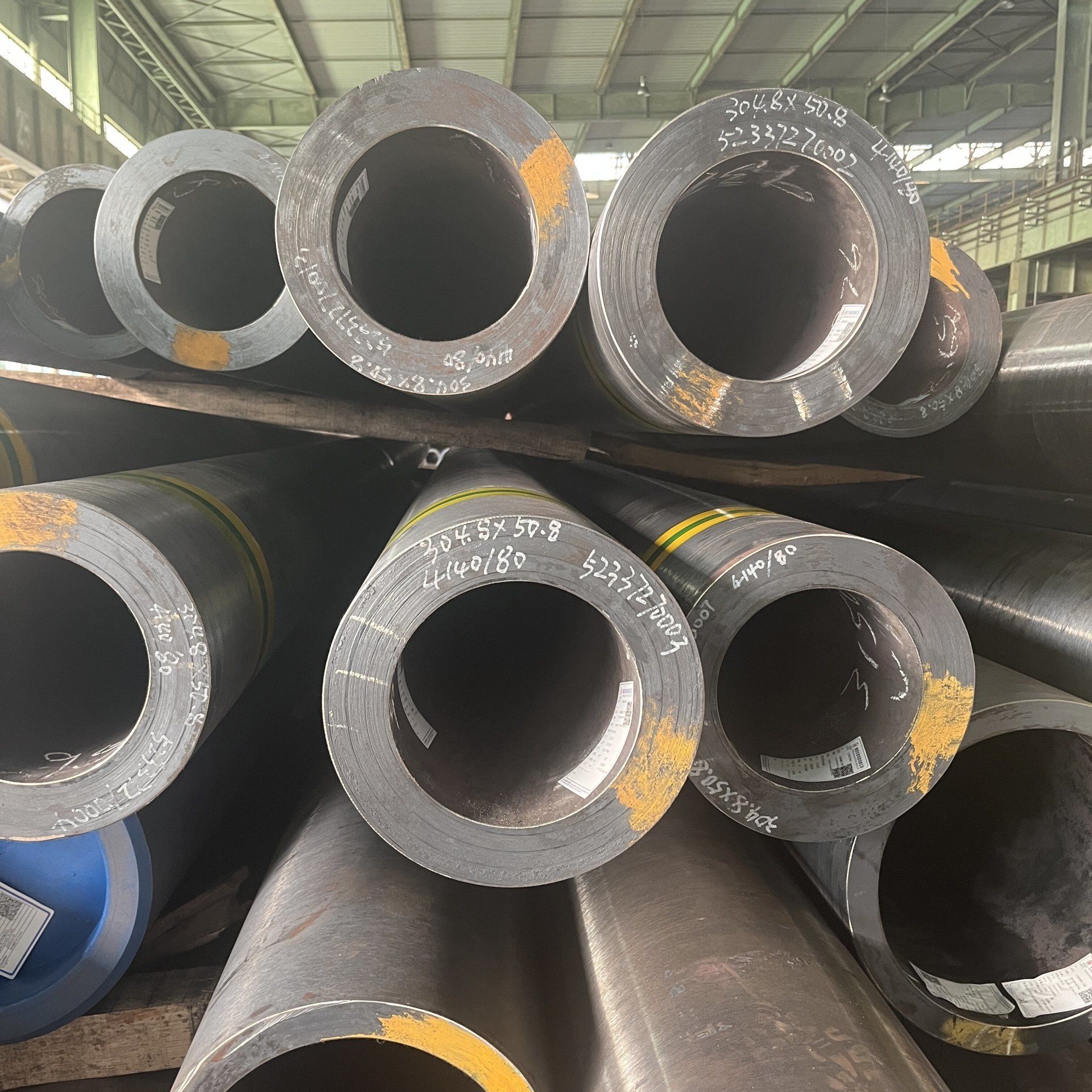
สำหรับเพลา 4140 และแท่งกลม ระบบยืดตรงอัตโนมัติของเราสามารถรักษาความตรงให้อยู่ในช่วง 0.01 มม. และทำงานได้เร็วกว่าการยืดด้วยมือสามถึงห้าเท่า เนื่องจากระบบควบคุมบันทึกผลการแก้ไขแต่ละครั้งและปรับระยะชักถัดไป ผู้ปฏิบัติงานเพียงคนเดียวจึงสามารถจัดการเครื่องจักรได้หลายเครื่องพร้อมกัน สำหรับชิ้นงานที่ยาวหรือหนัก ประโยชน์นี้ยิ่งสำคัญมากขึ้น
เรายังผสานระบบตรวจจับรอยแตกร้าวจาก QASS ของเยอรมนีในบางสายการผลิต เมื่อชิ้นงานใกล้ขีดจำกัดความแข็งสูงสุด หรือเมื่อข้อกำหนดของลูกค้าต้องการ นั่นทำให้คุณมีโอกาสแยกชิ้นงานที่แตกร้าวออกก่อนที่จะกดต่อไป ระบบประเภทนี้ไม่ใช่การแก้ปัญหาการชุบแข็งที่ไม่ได้คุณภาพ แต่มันเป็นวิธีที่ทำซ้ำได้เพื่อจัดการกับความโค้งงอตกค้างที่การควบคุมกระบวนการเพียงอย่างเดียวไม่สามารถขจัดได้
สิ่งที่คุณนำไปใช้ได้ที่หน้างาน
สำหรับปัญหาการบิดเบี้ยวของเหล็ก 4140 หลังการอบชุบ ผมจะเริ่มจากกระบวนการ: ตรวจสอบการรองรับและการยึดจับ ลดความลาดชันของอุณหภูมิที่ไม่จำเป็น คลายความเค้นตกค้างก่อนการชุบแข็ง และหลีกเลี่ยงการชุบแข็งที่รุนแรงเกินไปสำหรับรูปทรงของชิ้นงาน จากนั้นวัดว่ายังมีความโค้งงอเหลืออยู่เท่าใด หากความโค้งงอที่เหลืออยู่ในช่วงที่สามารถแก้ไขได้ และชิ้นงานอยู่ในสภาพเหนียวหลังการเทมเปอร์ การยืดตรงก็สมเหตุสมผล หากชิ้นงานแตกในแท่นกดหรือเคลื่อนตัวหลังการแก้ไข ให้หยุดและตรวจสอบกระบวนการใหม่
สำหรับการแก้ไขหลังการอบชุบซ้ำ ๆ การยืดตรงด้วยระบบไฮดรอลิกอัตโนมัติเป็นทางเลือกที่คาดเดาได้แม่นยำกว่าแท่นกดแบบแมนนวล โดยเฉพาะกับแท่งเหล็กยาว เพลา และท่อ หากคุณต้องการพิจารณากรณีการบิดเบี้ยวของเหล็ก 4140 ของคุณเองอย่างละเอียดมากขึ้น คุณสามารถติดต่อเราได้ตามสบาย แล้วเราจะช่วยกันดูรายละเอียด