General-purpose point-pressure straightening

Brass Rod Straightening Machine

Point-pressure correction with flat or contoured anvils gets brass rod and tube straight without press marks or scratches. The focus is cycle time, precision, and setup speed—so changeover is recipe-based, not operator-dependent.

You load the workpiece, select the stored recipe, and the machine runs the measure-press-verify loop automatically. The system checks runout at multiple points—not just the dial indicator at center—so you avoid late discovery of end-of-bar deviations.

0.01 mmrepeatable straightness
3–5×manual throughput
250 mmmax workpiece diameter
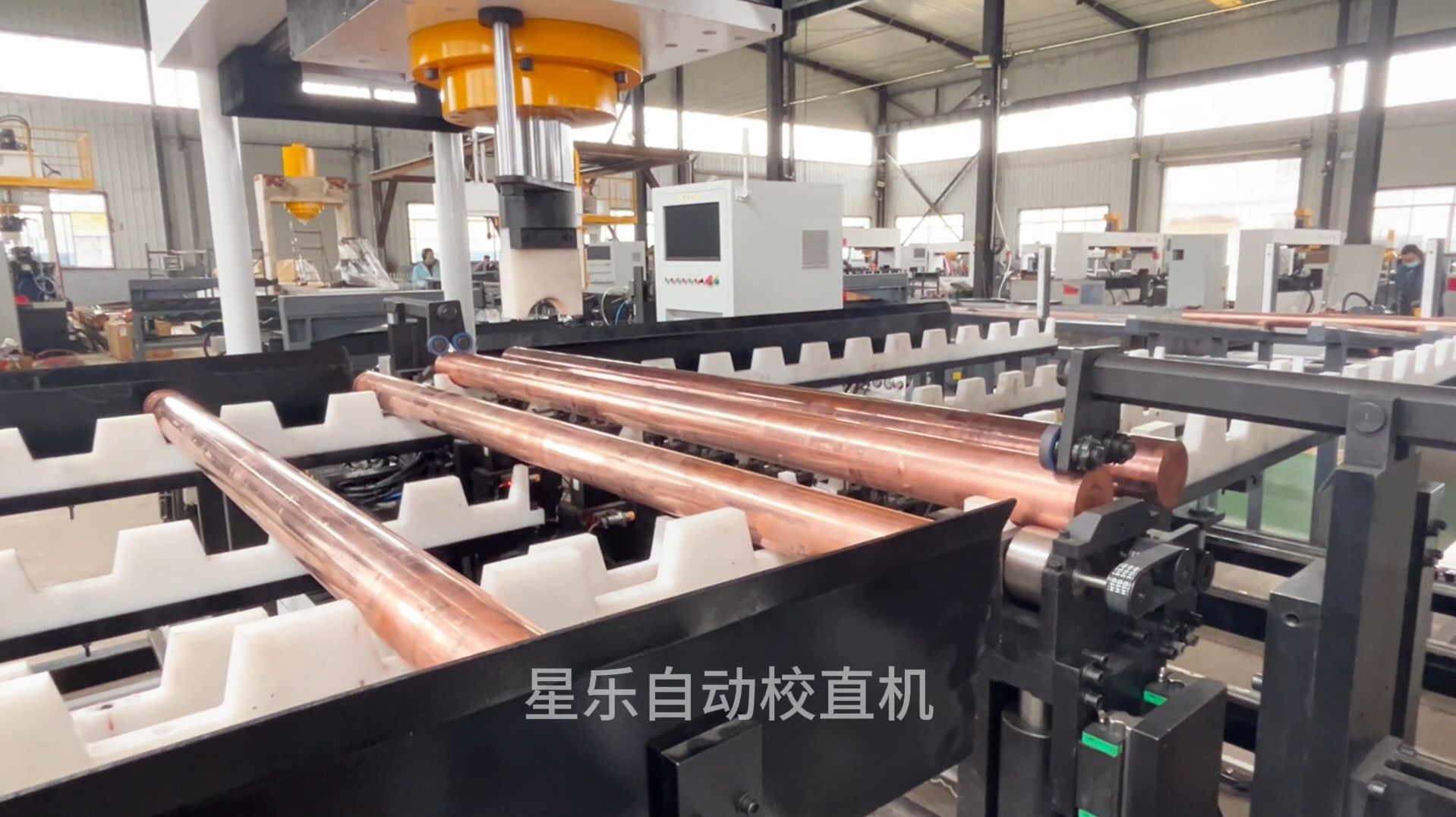
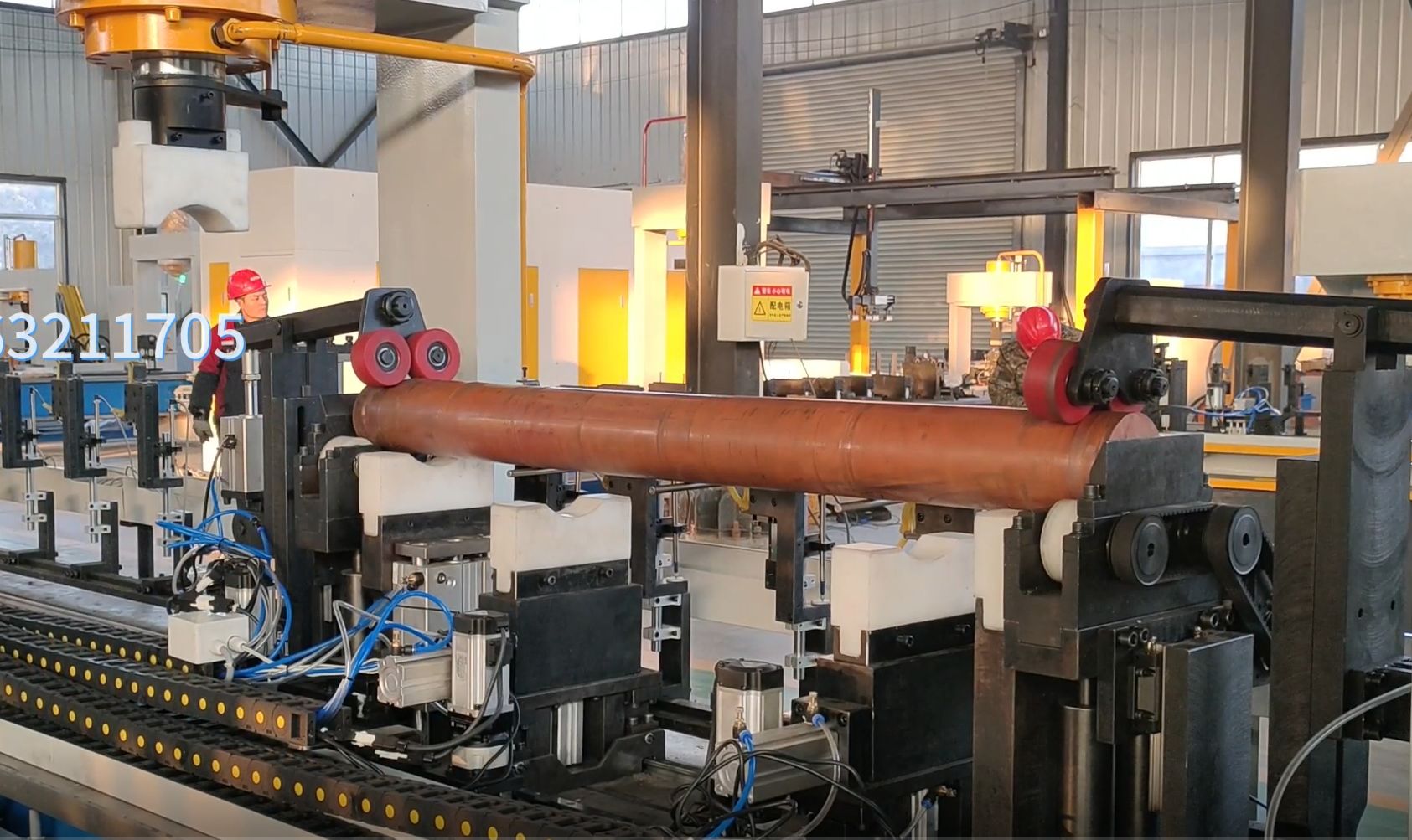
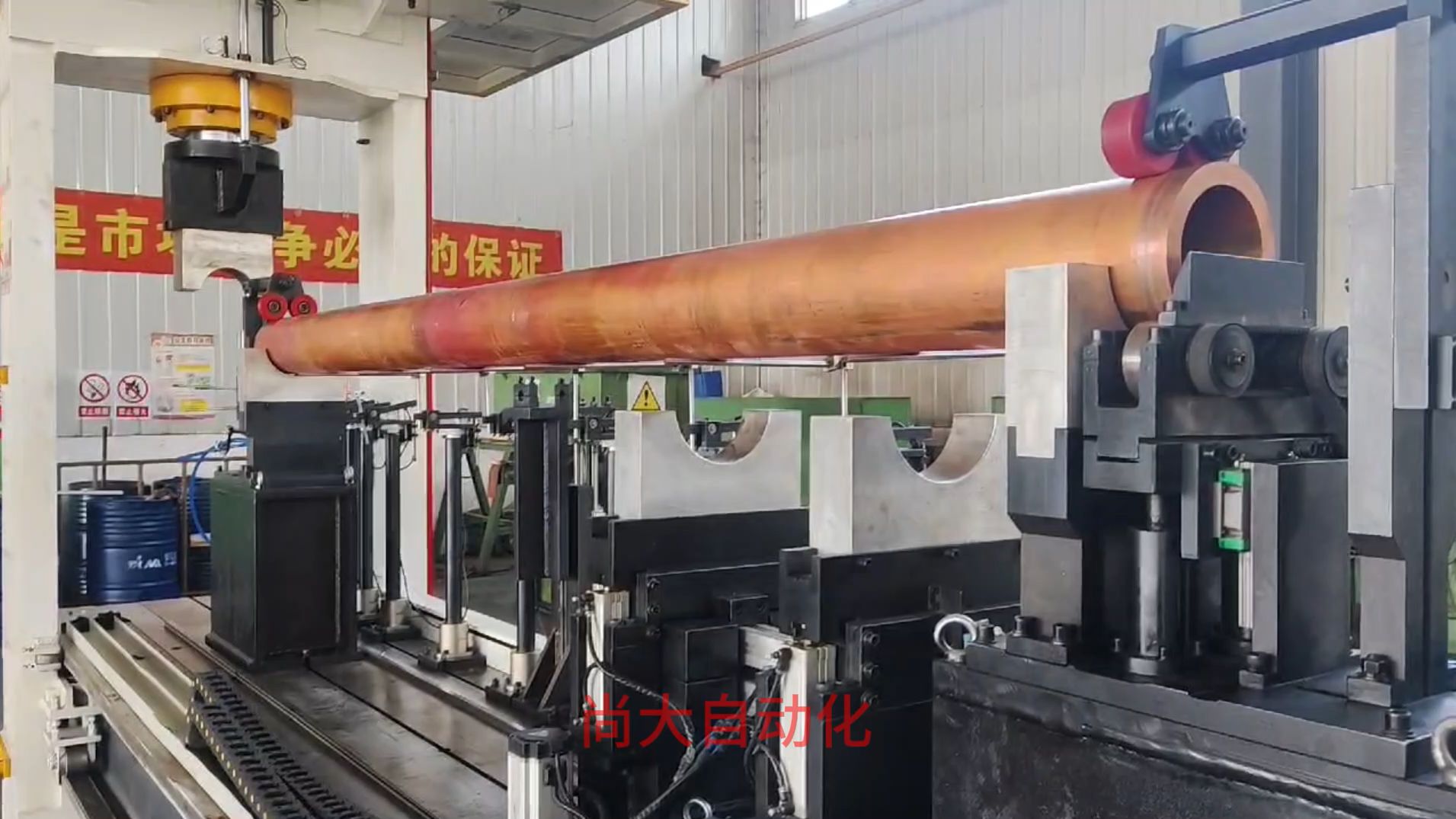
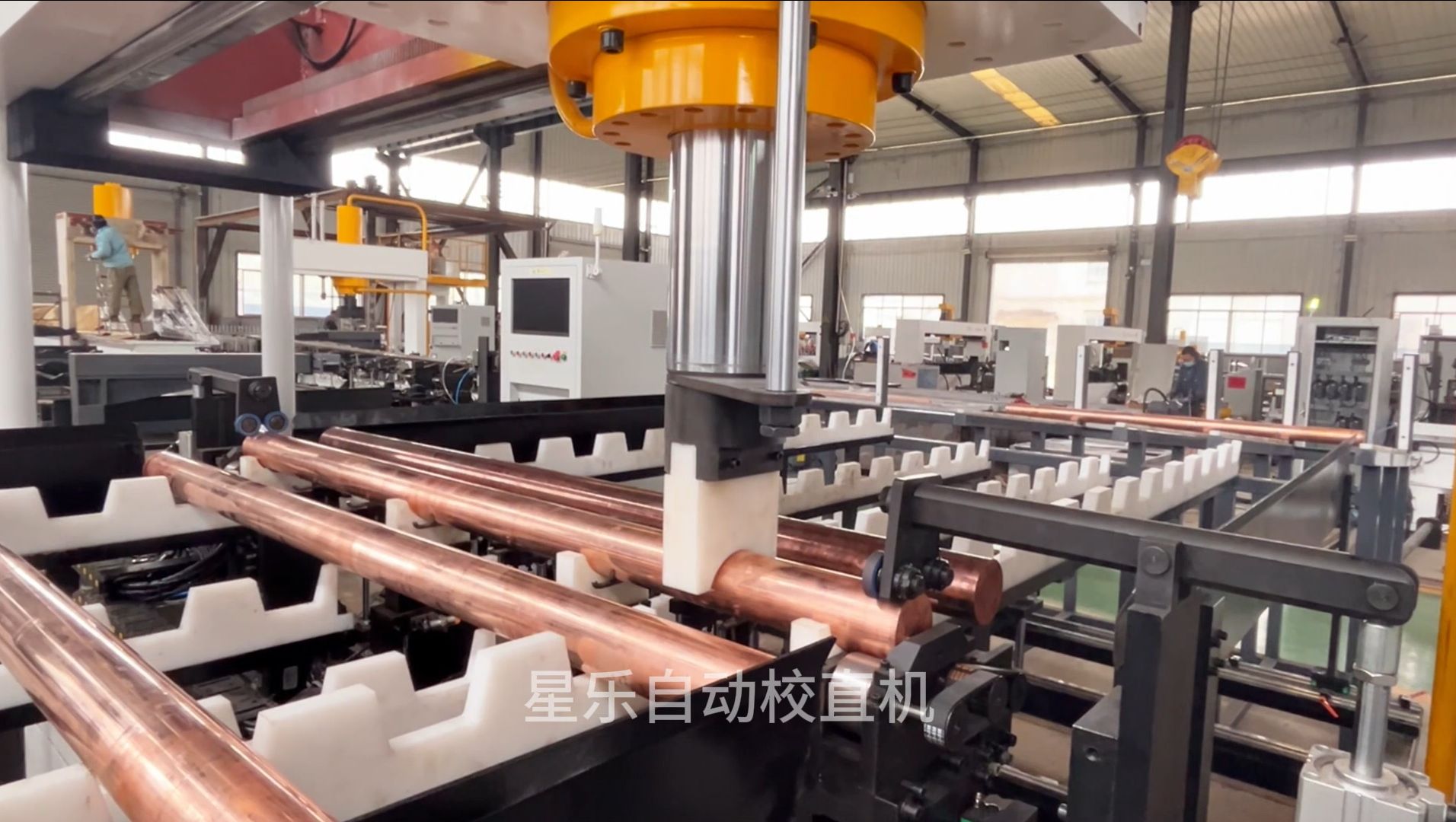
Main unit of brass rod straightening machine with point-pressure anvils
Main unit configured for brass rod and tube correction

Cycle, Precision & Setup Numbers

0.01 mm

Repeatable straightness

Multi-point runout scanning with closed-loop correction holds tolerance across the full shift. Operators don't nudge a manual press or guess at spring-back; the controller recalculates pressure after each measurement pass.

3–5×

Manual throughput

Automatic measure-press-verify cycle replaces manual hammering, chalk marking, and sighting. One operator can run multiple machines, and 24/7 unmanned cycles are available for repetitive batches.

Recipe-based

Setup

Enter diameter, length, and target straightness on the touchscreen. Stored recipes pull up prior parameters, so changeover between brass rod and tube takes minutes, and you don't need a toolmaker to set up.

250 mm

Max workpiece diameter

Flat and contoured anvils handle thick brass rod and tube without leaving press marks or indentations. This matters for polished brass surfaces and parts that go directly to final assembly.

Multi-point

Inspection

Deflection is measured at several positions along the workpiece, so far-end spring-back is corrected before it becomes scrap. The machine verifies straightness after pressing, not just during setup.

MES-ready

Control

The PLC logs shift data and can connect to MES. Production engineers see real runout values, cycle counts, and rejection records without walking the floor or relying on paper logs.

Why Setup and Cycle Time Stay Predictable

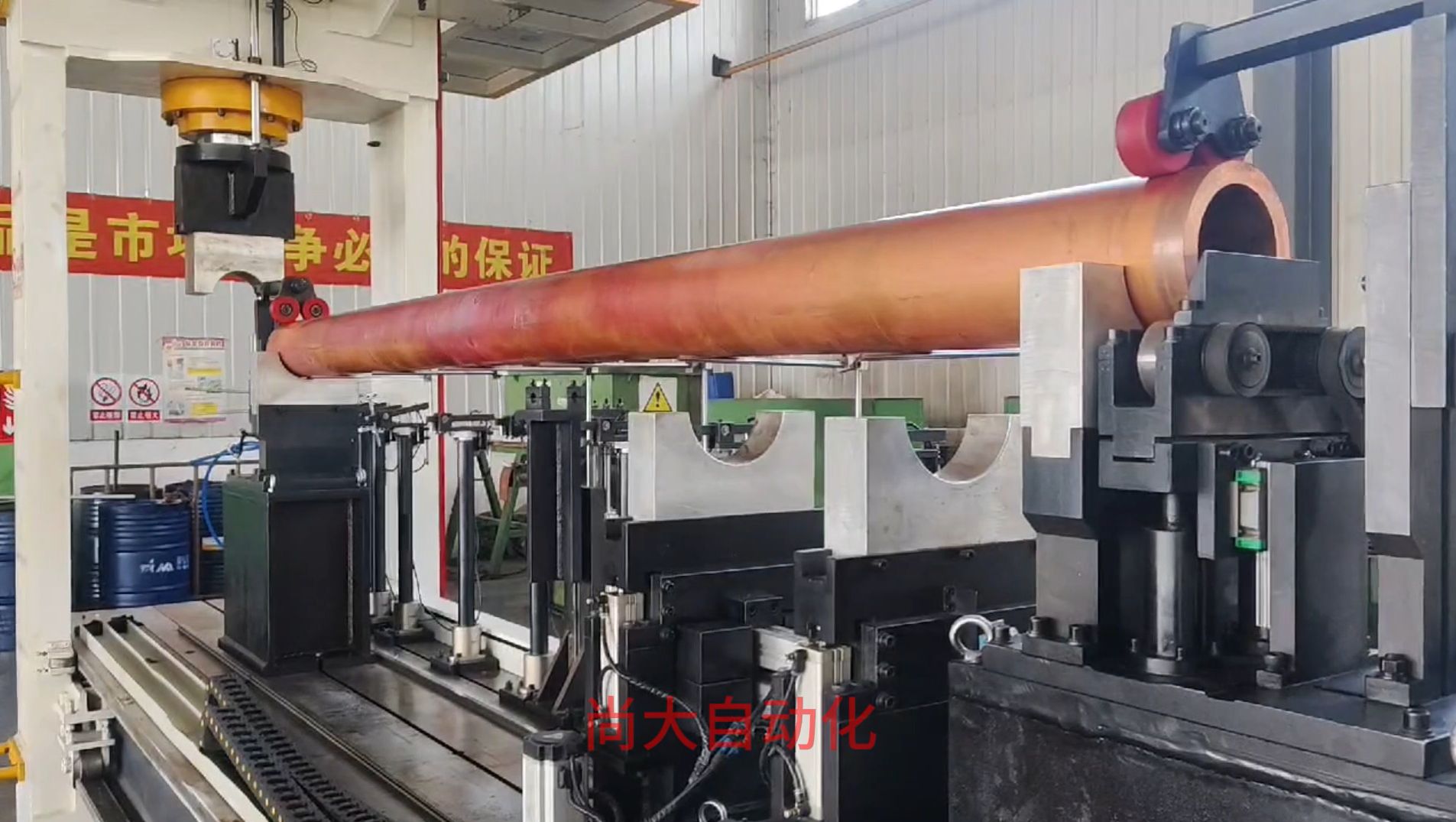
Brass rod rotating during runout inspection

Multi-point runout before pressing

The machine checks deflection at multiple positions while the part rotates. You see where the bend is before the ram moves, so you're not chasing spring-back on the far end after the press cycle closes.

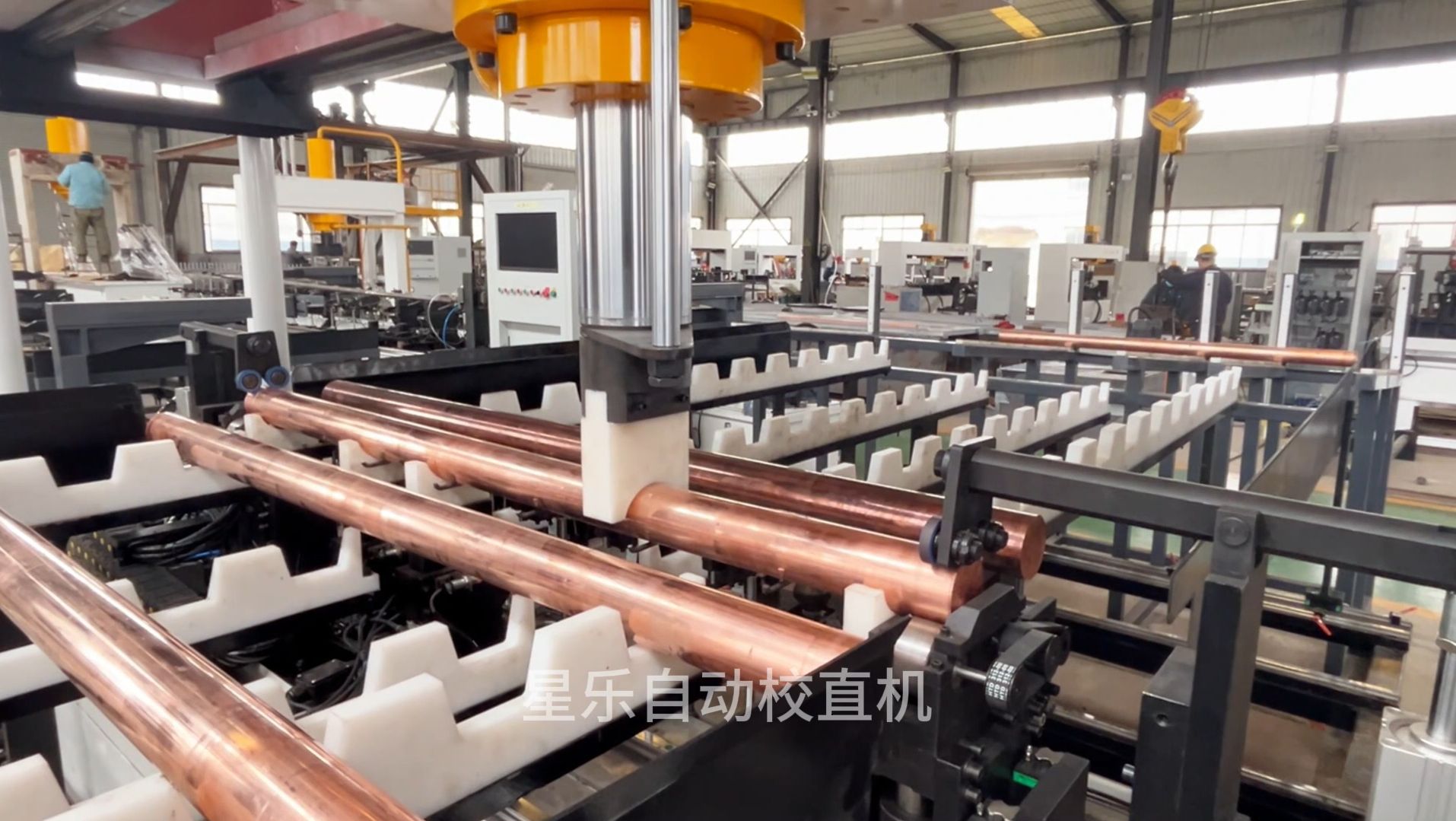
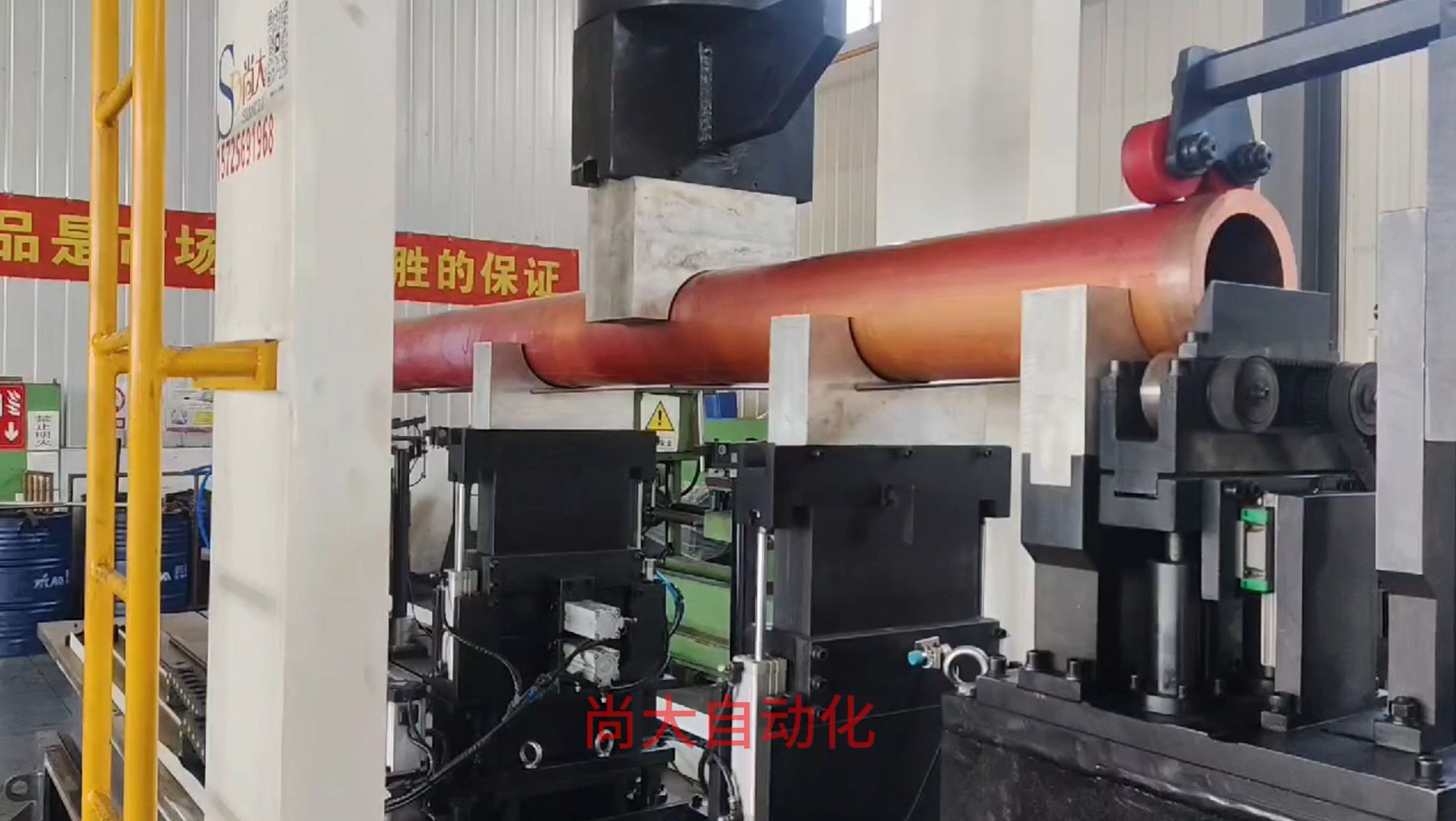
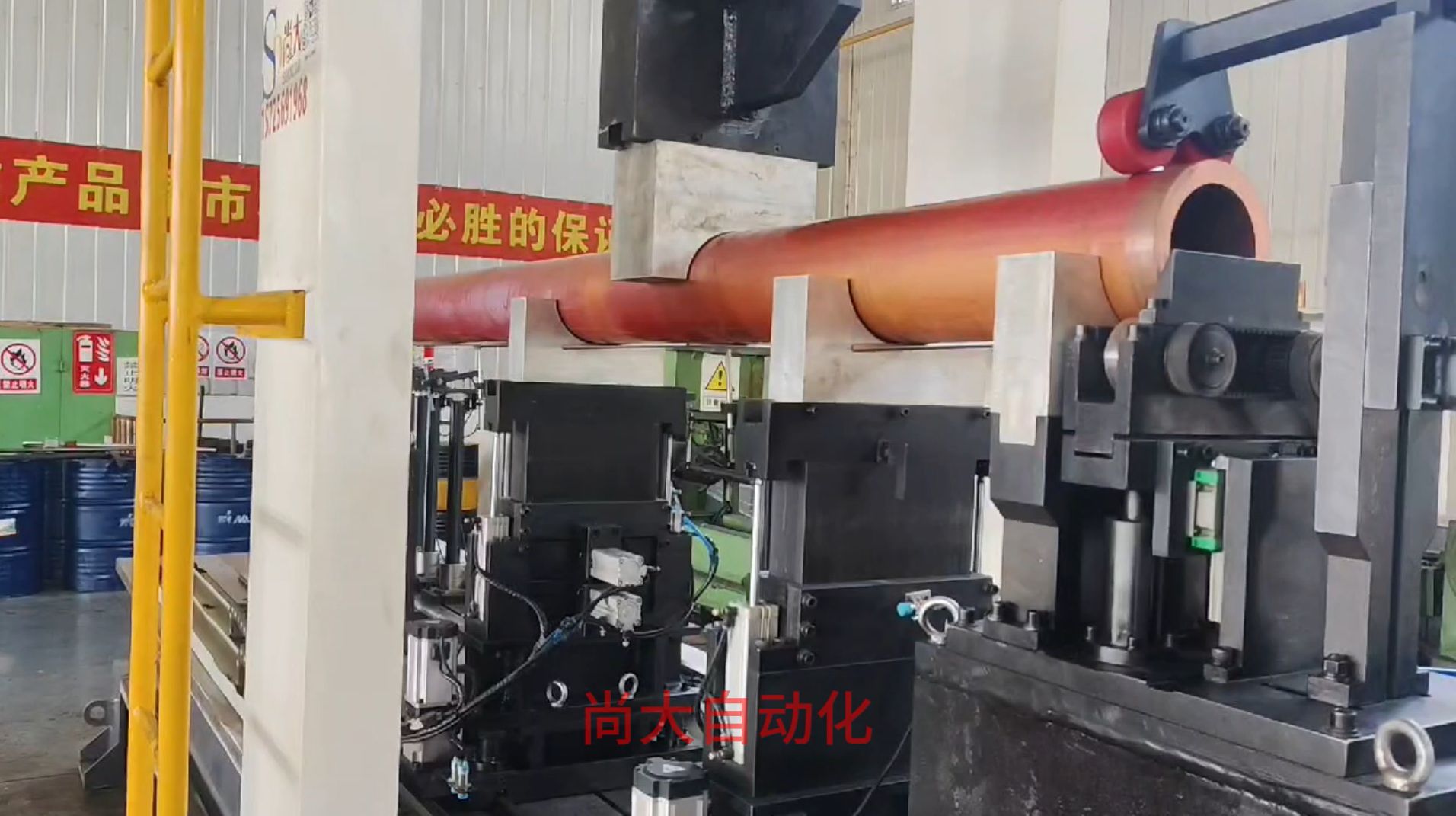
Automatic downward point-pressure correction on brass rod

Flat and contoured anvils

The point-pressure tooling distributes force without sharp edges. Brass rod and tube come out straight with no indentations, scratches, or surface work hardening at the contact point—critical for polished or plated parts.

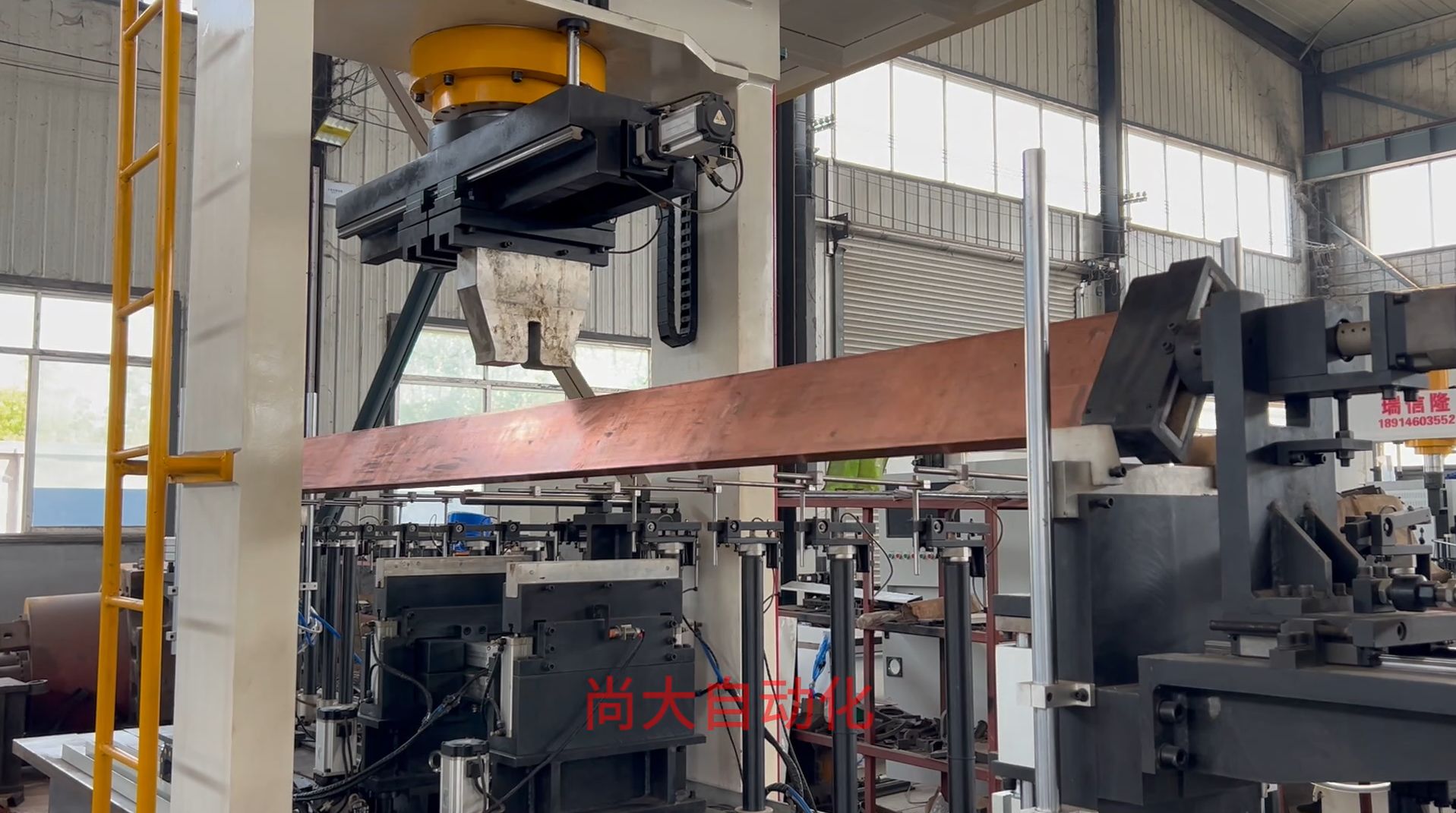
Brass plate straightening application

One machine, more than round bar

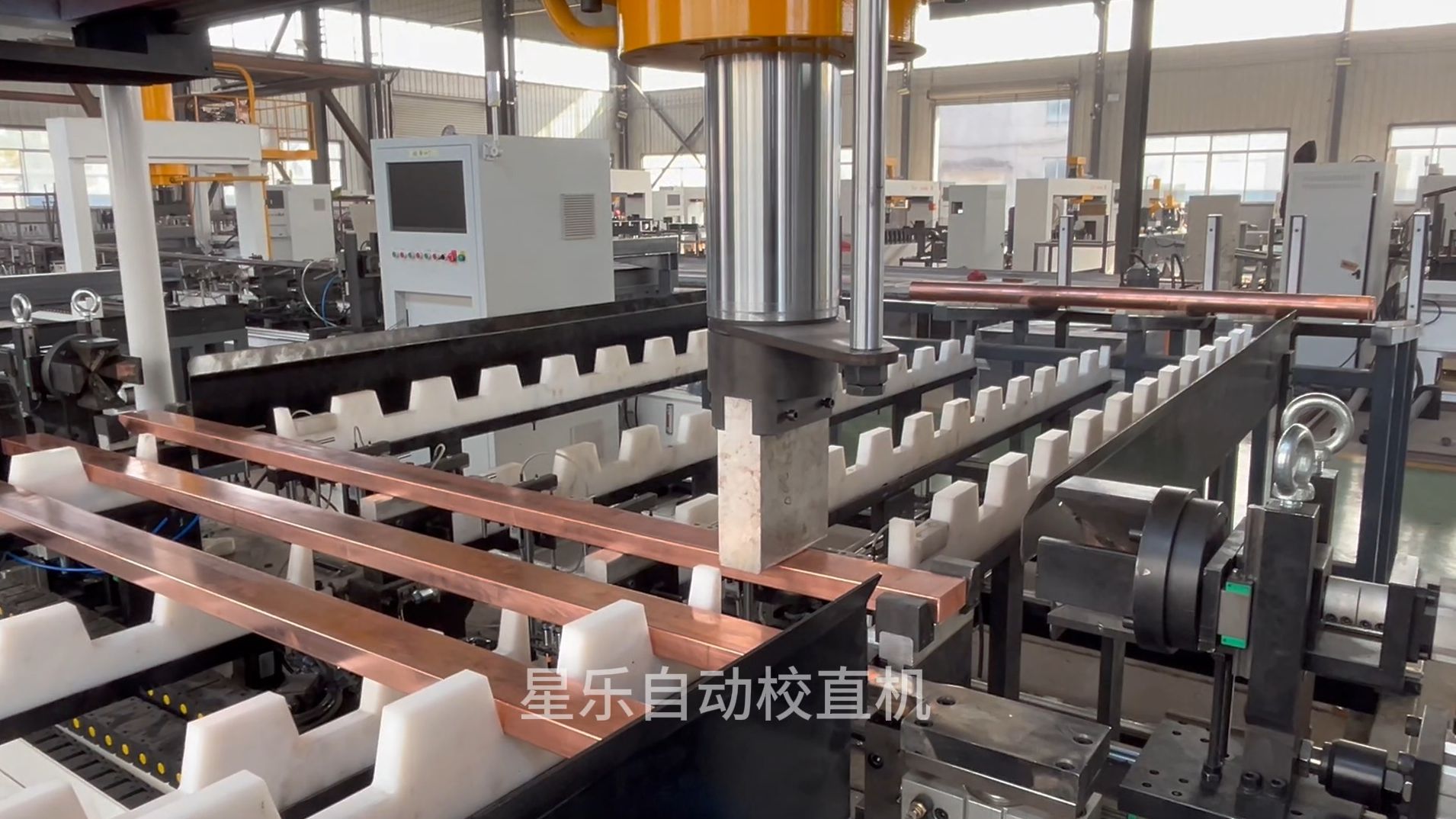
Square tube, plate, and special profiles go through the same recipe system. Cross-section changes don't require rebuilding the tooling; you change the workpiece, call up a recipe, and run.

Brass square tube straightened by point-pressure machine

Predictable cycle time

Automatic measure-press-verify repeats the same way every cycle. Cycle time is not dependent on operator judgement, so an afternoon shift hits the same numbers as the morning shift, and the night shift doesn't drift.

Point-Pressure Correction Parameters

These parameters are the ones plant engineers ask about first. The machine is not a fixed-offset press; the control system adapts pressure and support positions based on measured runout, which is why it holds tolerance across mixed brass batches.

Parameter Value
Workpiece types Brass rod, tube, square tube, plate, special profiles
Max workpiece diameter 250 mm
Standard workpiece length 500–2,000 mm (longer beds on request)
Straightening accuracy ≤0.01 mm
Measurement Multi-point runout scanning, closed-loop correction
Pressure method Servo-hydraulic point pressure
Anvil options Flat, contoured, V-block
Control system PLC + touchscreen, MES-ready
Cycle time 45–120 s automatic correction loop (material-dependent)
Installed power 7.5–22 kW servo-hydraulic (application-specific)
Machine weight 4,200–6,500 kg (bed-length dependent)
Operation Single operator, multiple machines; 24/7 unmanned optional

Exact motor power, weight, and bed length are configured to your longest workpiece. Shangda builds these machines under ISO 9001 quality management and CE conformity for export.

Where Fast Brass Correction Pays Off

The same recipe system works across round rod, tube, square tube, and plate. These are the shops where that flexibility makes the most difference. We see this machine in shops that run brass coil, bar, and tube in batches of 50 to 5,000 pieces, where swapping from one cross-section to another needs to happen inside a shift. If your current process uses a manual press and a granite surface plate, the cycle-time and inspection improvements show up immediately.

Electrical connectors & busbar

Brass rods drawn into connector pins and busbar blanks need straight stock before CNC turning. Corrected bars reduce tool chatter, scrap, and sorting time.

Plumbing & valve bodies

Brass tube for fittings and valve stems must not show anvil marks. Point-pressure tooling protects the surface while hitting straightness targets.

HVAC/R heat exchangers

Tube straightened before bending and brazing keeps refrigerant paths consistent. Roundness correction can run in the same setup.

Automotive / EV fluid systems

Short-run brass sensor housings and liquid-cooled pipe fittings change over quickly with stored recipes, so you don't lose production to setup.

Thick brass rod approximately 250 millimeters diameter during straightening
Thick brass rod, approximately 250 mm diameter, during correction
Point-pressure straightening on brass tube with calculated support positions
Brass tube after the straightening cycle
Runout verification on straightened brass tube
Automatic straightness detection on brass tube

Send Your Worst Runout Parts

If you're running brass rod or tube and fighting press marks, inconsistent straightness, or slow changeover, send a sample. We'll test it on this machine and give you measured runout before and after, cycle time, and photos of the surface condition.

Request a Quote

Interested in станок для правки латунных прутков? Fill out the form below and our team will get back to you within 24 hours.

Your information is kept confidential. We typically respond within 24 hours.